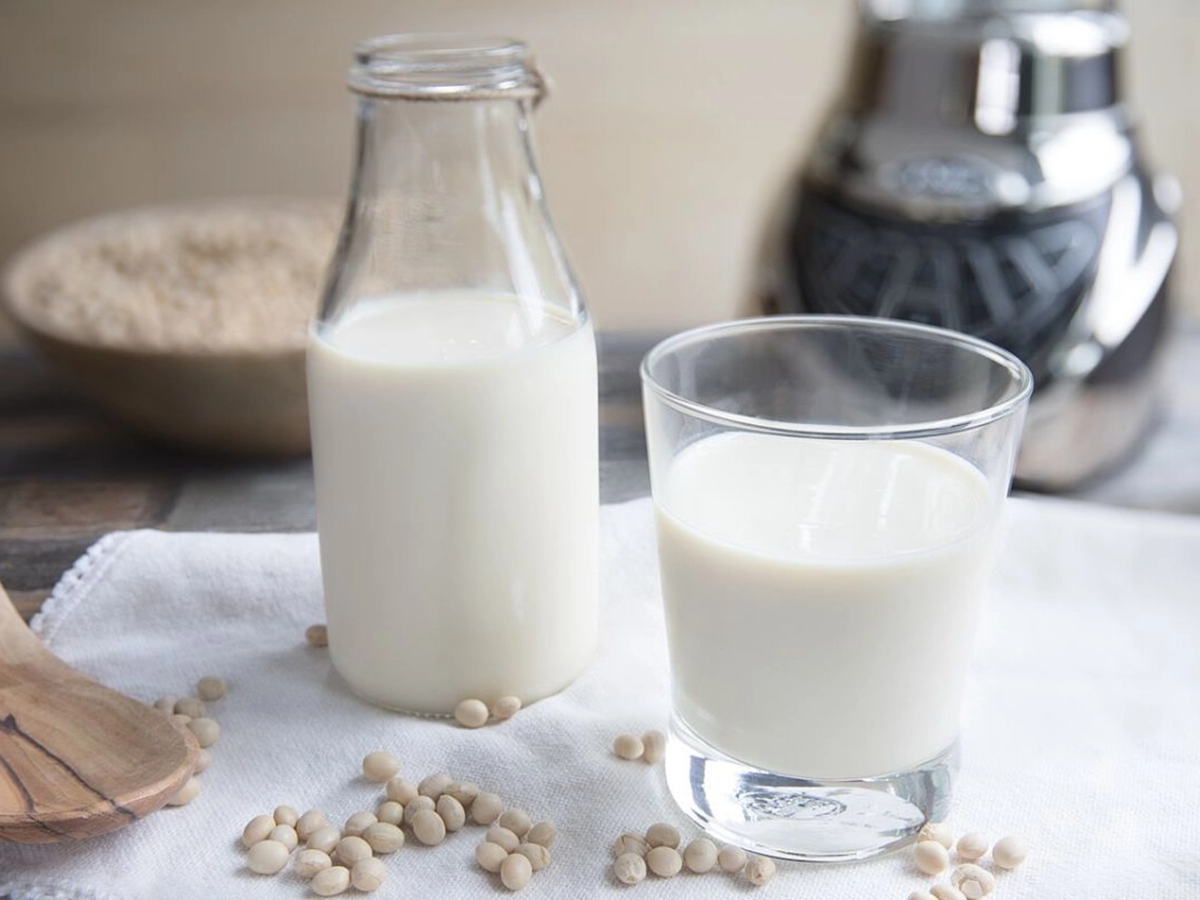
Dairy farmers in Punjab have demanded a hike in milk prices by at least Rs 4 per kilogram, citing rising animal feed costs and other expenses.
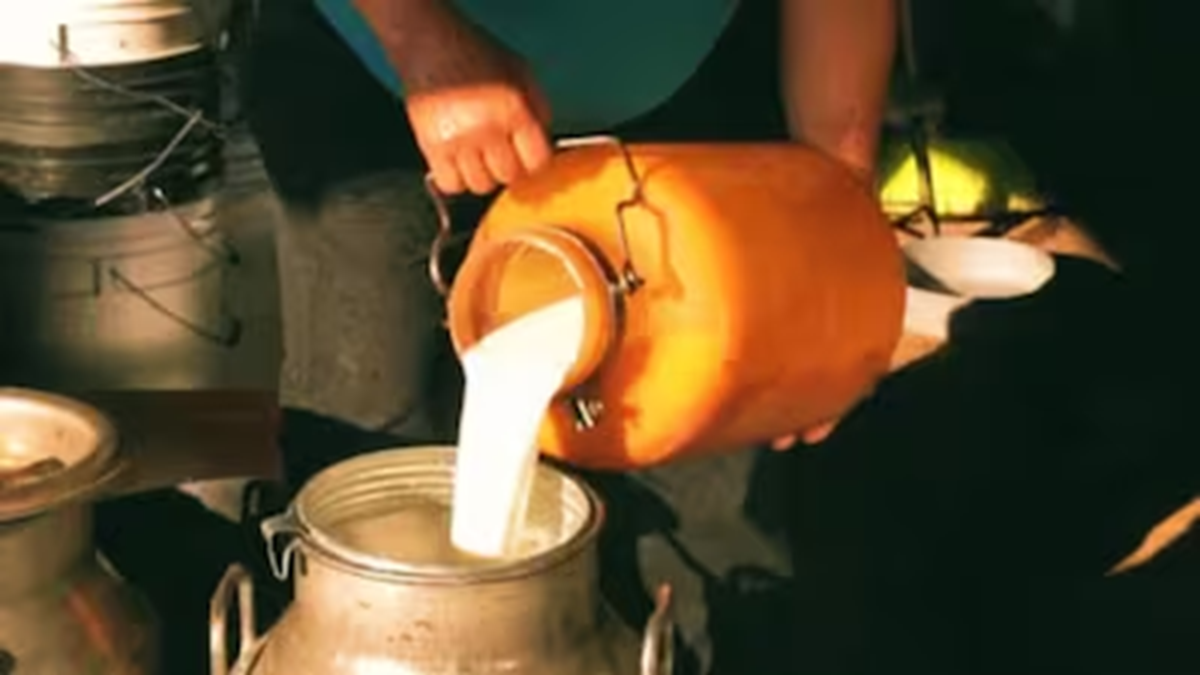
Milk Price Hike
Milk prices are set to rise further. The Progressive Dairy Farmers Association of Punjab (PDFA) has demanded an immediate increase in milk procurement prices by at least 4 rupees per kilogram. The association submitted a memorandum addressed to Chief Minister Bhagwant Mann at the Ludhiana Deputy Commissioner's (DC) office, warning that if their demands are not met by December 5, 2026, they will launch a movement against the state government and milk plants.
Rising prices were cited as the reason behind the rising costs of animal feed and other expenses. According to PDFA President Daljit Singh Gill, prices of animal feed, maize, soybean meal, mustard cake, green fodder, and animal medicines have risen sharply. Maize prices have risen from Rs. 2,100 to Rs. 3,300 per quintal, soybean from Rs. 4,500 to Rs. 7,000, mustard cake from Rs. 3,000 to Rs. 4,200 per quintal, and paddy straw from Rs. 350 to Rs. 1,300 per quintal. The prices of nutrients have also increased by almost 50%, significantly increasing the cost of milk production.
Increasing burden on dairy farmers
The association says dairy farmers are facing increasing financial pressure. They allege that Milkfed and private milk companies have increased the retail selling price of milk by 4 to 6 rupees per liter, but these increases have not been passed on to the milk supply farmers.
The association also said that states like Karnataka, Haryana and Himachal Pradesh have benefited milk-producing farmers by giving a subsidy of Rs 7, 5 and 6 per kg respectively, whereas Punjab has neither increased the milk procurement prices nor provided financial help to dairy farmers.
Demand to withdraw breeding policy
In addition to raising milk prices, the association has also demanded the withdrawal of Punjab's breeding policy. They allege that the policy's regulations are hindering the work of dairy farmers and artificial insemination workers. The PDFA president claims that this policy is negatively impacting efforts to improve the breed of cows and buffaloes.
They expressed concern about restrictions on manpower required for artificial insemination, regulations related to semen storage, additional costs, paperwork, and the implementation of embryo transfer technology. They say these regulations have made dairy operations more complex and expensive.