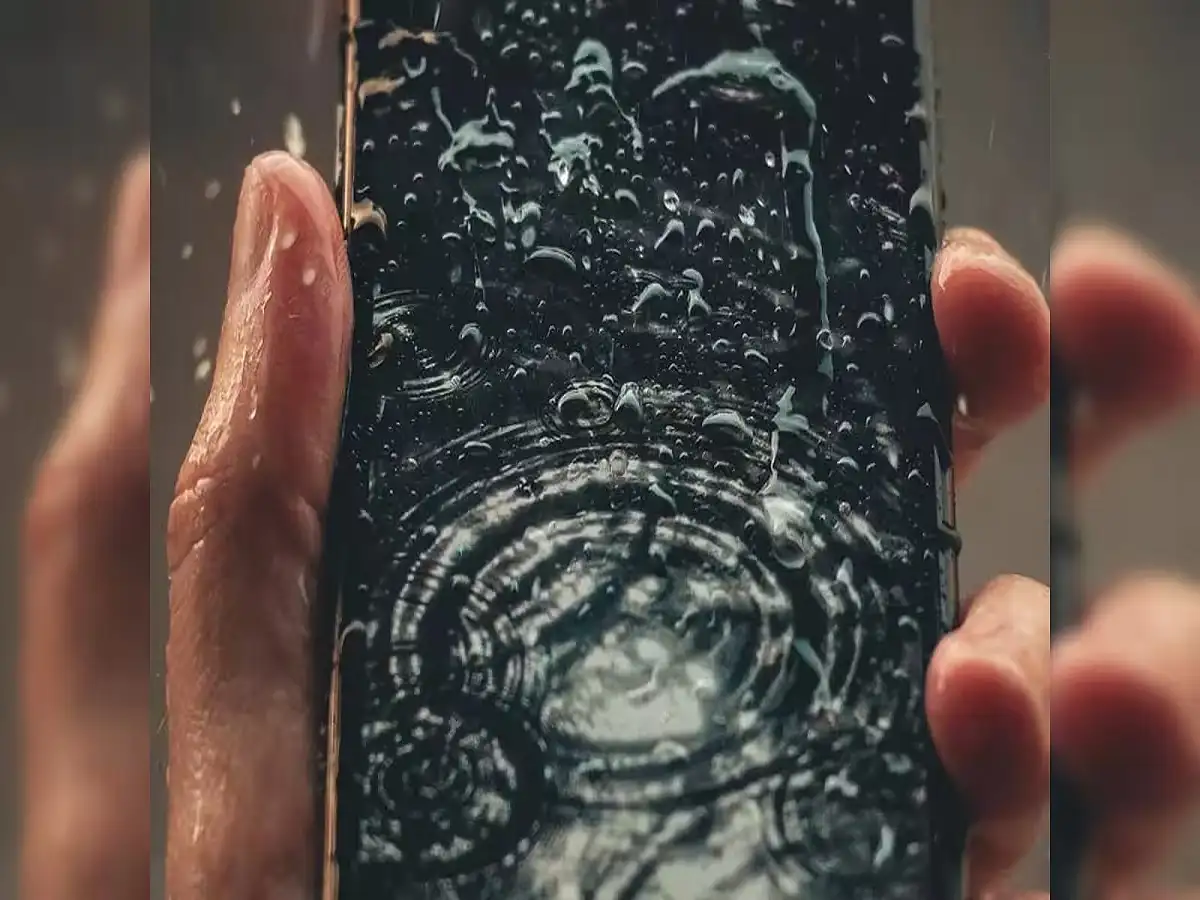
Smartphones have become essential for everything from banking and digital payments to photos, work documents and personal conversations. That dependence can make even a minor accident stressful—especially when a phone falls into water or another liquid.
The first reaction is often panic. Some people immediately try to switch the phone on, plug it into a charger or use household tricks in the hope of drying it quickly. However, these actions can sometimes make the situation worse.
A study examining how Indian consumers deal with smartphone accidents, repairs and protection plans suggests that accidental damage is extremely common. It also highlights how many users still turn to DIY solutions such as the popular “rice hack” after their device gets wet.
So, what should you actually do if water gets into your smartphone, and which common mistakes should you avoid?
82% of Surveyed Indians Have Dropped Their Smartphone
According to figures cited in the study, 82% of respondents said they had dropped their smartphone at least once, while 72% reported experiencing some form of accidental damage to their device.
Phones slipping from pockets or bags emerged as one of the common causes, accounting for around 36% of accidental-damage incidents mentioned in the report.
Considering how frequently people handle their phones throughout the day, accidental drops are hardly surprising. The problem becomes more serious when the phone lands in water, gets caught in heavy rain or has a drink spilled over it.
The survey also indicates that smartphone accidents can trigger an immediate emotional response.
Around 35% of respondents said they panicked immediately after dropping their phone, while 24% said such incidents had resulted in an argument or disagreement. Another 15% reported having to cancel plans because their smartphone was damaged.
Phone Got Wet? Don't Rush to Switch It On
One of the most important things to avoid after a phone has been significantly exposed to water is repeatedly trying to switch it on.
If the device is already switched off, it is generally better to leave it off until it has had sufficient time to dry or has been inspected where necessary.
If it remains switched on after being soaked, turn it off when this can be done safely and normally.
Repeatedly pressing the power button just to check whether the device still works is not a good idea when moisture may be present internally.
Don't Plug a Wet Smartphone Into a Charger
Charging should also be avoided while the charging port or phone is wet.
Connecting electricity while moisture is present can potentially damage the device or charging connector. Many modern smartphones detect liquid in the charging port and temporarily disable wired charging for this reason.
Wait until the device and charging port are completely dry before connecting a cable.
If your smartphone displays a liquid-detection warning, follow the manufacturer's instructions rather than trying to bypass the warning.
The Rice Trick Is Popular, But It Isn't the Best Solution
The survey found an interesting behaviour among smartphone users: 29% of respondents said they had used rice in an attempt to save a water-damaged phone.
The theory is simple—people believe uncooked rice will absorb moisture from the device.
However, putting a wet smartphone inside a bag or container of rice is not generally recommended by major smartphone manufacturers. Small particles or dust from rice can enter openings such as the charging port and potentially create additional problems.
Rice also does not guarantee that moisture trapped inside the phone will be removed effectively.
A better approach is to wipe the exterior with a clean, soft and lint-free cloth and allow the device to dry naturally in a well-ventilated location.
Avoid Using a Hair Dryer or Excessive Heat
Trying to speed up the process with a hair dryer may sound logical, but excessive heat can potentially damage sensitive smartphone components.
Do not place the device in an oven, microwave or near another intense heat source.
Similarly, avoid inserting tissues, cotton swabs, pins or other objects deep inside the charging port to remove moisture.
These methods can damage connectors or leave material trapped inside.
What Should You Do After Your Phone Gets Wet?
If your smartphone has been exposed to water, a few basic precautions can reduce the possibility of making matters worse:
- Remove the phone from the water immediately.
- Disconnect any charging cable or accessory.
- Switch the device off if appropriate and safe to do so.
- Remove the protective case and wipe away visible moisture with a soft cloth.
- Keep the charging port facing downward where appropriate and allow the device to dry naturally in a ventilated area.
- Do not charge the phone until the port and device are dry.
- If the phone was heavily submerged, behaves abnormally or does not turn on after drying, contact an authorised service centre.
Users should also check their manufacturer's specific instructions because water-resistance ratings and recommended procedures vary between smartphone models.
Water-Resistant Does Not Mean Completely Waterproof
Many modern smartphones carry IP ratings for water and dust resistance, but that should not be interpreted as a guarantee against every type of liquid damage.
Water resistance can also deteriorate over time because of normal wear, drops or previous repairs.
Exposure to salt water, swimming-pool water, soap, beverages and other liquids can present different risks compared with controlled fresh-water testing.
Therefore, even owners of water-resistant smartphones should take liquid exposure seriously.
Protection Plans Still Have Limited Adoption
Despite accidental smartphone damage being common, the survey suggests that relatively few consumers maintain active protection plans.
According to the cited figures, 36% of respondents had purchased a smartphone protection plan at some point, while only around 6% to 8% currently had an active plan.
Price, lack of awareness about benefits and concerns regarding the claims process were among the factors affecting adoption.
The study also indicated growing interest in protection for used smartphones. Around 70% of respondents believed protection plans were more important for pre-owned devices than new ones, while approximately 30% said they could consider purchasing a used smartphone if it came with a warranty or protection plan.
The survey further reported that around 54% of consumers in non-metro markets had purchased pre-owned smartphones, compared with approximately 30% in metro markets.
Quick Action Matters, but Avoid Risky DIY Fixes
A wet smartphone does not necessarily mean the device is permanently damaged. The outcome depends on factors including the amount and type of liquid exposure, duration of immersion, the phone's water-resistance design and its physical condition.
The most important thing is not to panic and start experimenting with unverified fixes.
Avoid immediately charging the phone, repeatedly switching it on, applying excessive heat or burying it in rice. Dry the exterior carefully, allow adequate ventilation and follow the device manufacturer's official guidance.
If the phone has been seriously submerged or starts behaving unusually afterward, professional inspection is safer than repeatedly testing it yourself.