NEWS
Packaged Food Safety: Is the packaged food you're buying repackaged or expired? Learn how to check.
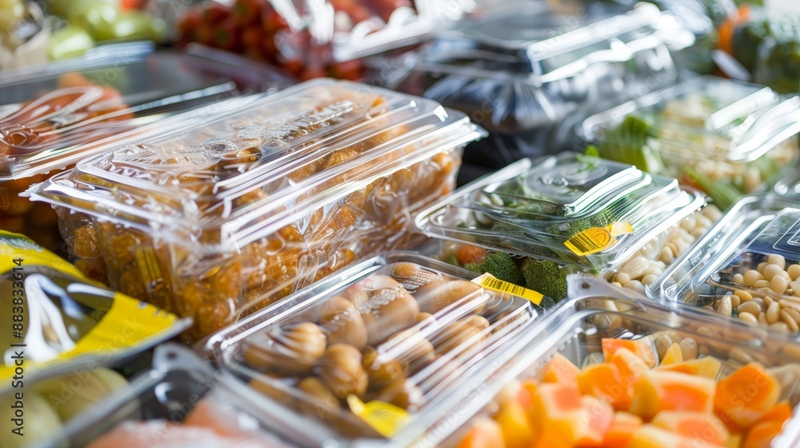
Any packaged food must have the FSSAI logo and a 14-digit license or registration number. This indicates that the product is registered under food safety standards.

Packaged Food Safety
Packaged Food Safety: A factory has been busted in Okhla Phase 2, where expired or near-expiry food products from well-known brands were allegedly being repackaged and resold. According to investigating agencies, the old manufacturing and expiry dates were erased using chemicals and new dates were printed on them. Seven people have been arrested in this case, and food products worth more than 20 lakh rupees have been seized. This incident has further increased the need for caution when purchasing packaged food. So, let us now tell you how to determine if the packaged food you are buying is repackaged or expired.
First of all, look at the FSSAI logo and license number.
Any packaged food must have the FSSAI logo and a 14-digit license or registration number. This indicates that the product is registered under food safety standards. If this information is not on the package, such a product should be avoided.
Read not only the expiry date but also the best-before date. Often, people only look at the expiration date when purchasing packaged food, whereas the best-before date is also listed on the package. Food should not be consumed after the expiration date. The best-before date indicates that the product's quality and taste will remain good until that date. It's important to carefully review both dates when purchasing.
Be sure to read the ingredients list.According to FSSAI, the first three to four ingredients listed on any packaged product are the most abundant. If a food item lists sugar syrup, preservatives, or other artificial ingredients at the beginning, it's a sign of a high quantity. However, whole grains or other primary ingredients are considered better at the beginning.
Keep an eye on the nutritional value as wel.l.
The nutritional information on the back of the packaging should not be ignored. It includes information such as calories, protein, carbohydrates, fiber, sugar, fat, and sodium. If a product is high in sugar, salt, or fat, it is best to consume it in limited quantities.
Also read information related to allergies.
If a person is allergic to peanuts, soy, dairy, gluten, or any other food ingredient, the allergen information on the packaging should be read carefully. This can help prevent health risks.
Keep an eye out for signs of tampering with packaging.
If the package is open, the seal is broken, the label has been re-pasted, the print appears blurred, or there are any discrepancies in the manufacturing and expiry dates, such products should not be purchased. Such cases can also be reported to the relevant authorities or FSSAI.
It is also important to understand serving size.
Sometimes the nutritional value listed on a package is for a single serving, not the entire package. Therefore, it's important to check the number of servings in the package to understand the actual calorie, sugar, or fat intake.
Also check certification and label
If a product claims to be organic, gluten-free, non-GMO, or otherwise certified, the relevant certification or label should also be checked to ensure accurate information about the product.