SPORTS
On This Day in 1990: 16-Year-Old Sachin Tendulkar’s Iconic 88 in Napier That Announced a Legend
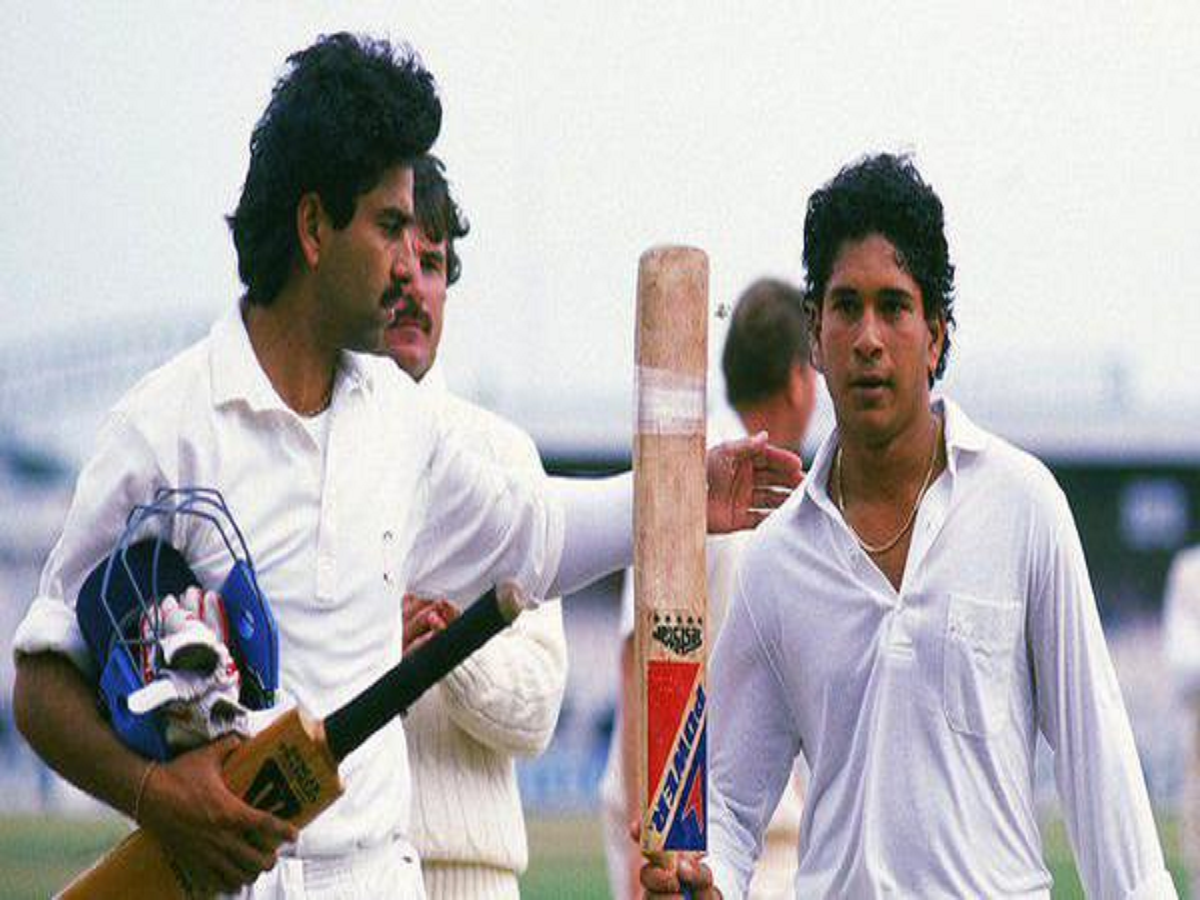
Cricket history is filled with matches remembered not for the result, but for a single extraordinary performance that captures fans’ imagination for decades. One such moment came on February 12, 1990, when a teenage Sachin Tendulkar, just 16 years old, produced a remarkable innings against New Zealand in the Napier Test—an effort that remains etched in cricket folklore as one of the most promising early displays in international cricket.
A Teenage Prodigy Takes Center Stage
When Tendulkar walked out to bat in Napier, he was still a newcomer to international cricket. At an age when most cricketers are playing junior-level matches, he was facing seasoned international bowlers on foreign soil. Expectations were modest; after all, very few believed a teenager could dominate experienced New Zealand bowlers in testing conditions.
But Tendulkar quickly proved he was no ordinary debutant. Displaying calm temperament, sharp technique, and remarkable shot selection, he countered swing and seam movement with confidence beyond his years. His composure at the crease stunned commentators and spectators alike, many of whom began to sense they were witnessing the arrival of a future great.
The Innings That Stopped at 88
As his innings progressed, Tendulkar moved steadily toward a historic milestone. He reached 88 runs, placing himself within touching distance of what could have been a record-breaking century. Had he reached three figures, he would have become the youngest centurion in Test cricket history—a record that would have elevated the knock from brilliant to legendary.
However, fate intervened. New Zealand pacer Danny Morrison dismissed the young Indian just 12 runs short of the landmark. Though he missed out on the century, the innings was widely celebrated as a masterclass in courage and skill, especially considering his age and the challenging playing conditions.
Rain Interruptions Tested His Focus
The Napier Test was also notable for frequent rain interruptions. Stop-start play can disrupt a batter’s rhythm, forcing them to repeatedly rebuild concentration after delays. Even experienced players struggle under such circumstances, yet Tendulkar maintained discipline and control every time play resumed.
Observers noted that his ability to reset mentally after each interruption reflected rare maturity. Rather than playing rash shots to regain momentum, he stuck to his game plan, showing patience and tactical awareness uncommon for someone so young.
John Wright’s Century Adds to Match Drama
While Tendulkar’s innings captured headlines, New Zealand’s John Wright also delivered an outstanding performance in the same match. Wright scored a century—his second of the series—anchoring his side’s batting effort with a composed and technically sound knock.
The contrast was striking: a teenage prodigy announcing himself to the world on one side, and a seasoned international demonstrating experience and consistency on the other. Together, their performances turned the match into a memorable contest remembered for batting excellence rather than the final scoreline.
Why the Knock Still Matters Today
Decades later, Tendulkar’s 88 at Napier is still discussed whenever conversations arise about the greatest early-career performances in cricket. The innings did more than add runs to a scoreboard—it signaled the emergence of a player who would go on to redefine batting records and inspire generations.
Cricket historians often point to this match as the moment the world first realized the magnitude of Tendulkar’s talent. Even without a century, the innings carried symbolic weight: it showed that a 16-year-old could stand tall against international bowling attacks and thrive under pressure.
Legacy of a Near-Century
Though he fell short of three figures, Tendulkar’s Napier innings remains a milestone in cricket history. It was not just about the runs scored, but about the statement it made. That day in 1990, a teenager proved that greatness does not wait for age—and the cricketing world witnessed the dawn of a legend.