NEWS
No country in the world wants to invest money in India. Why did renowned economist Surjit Bhalla say this?
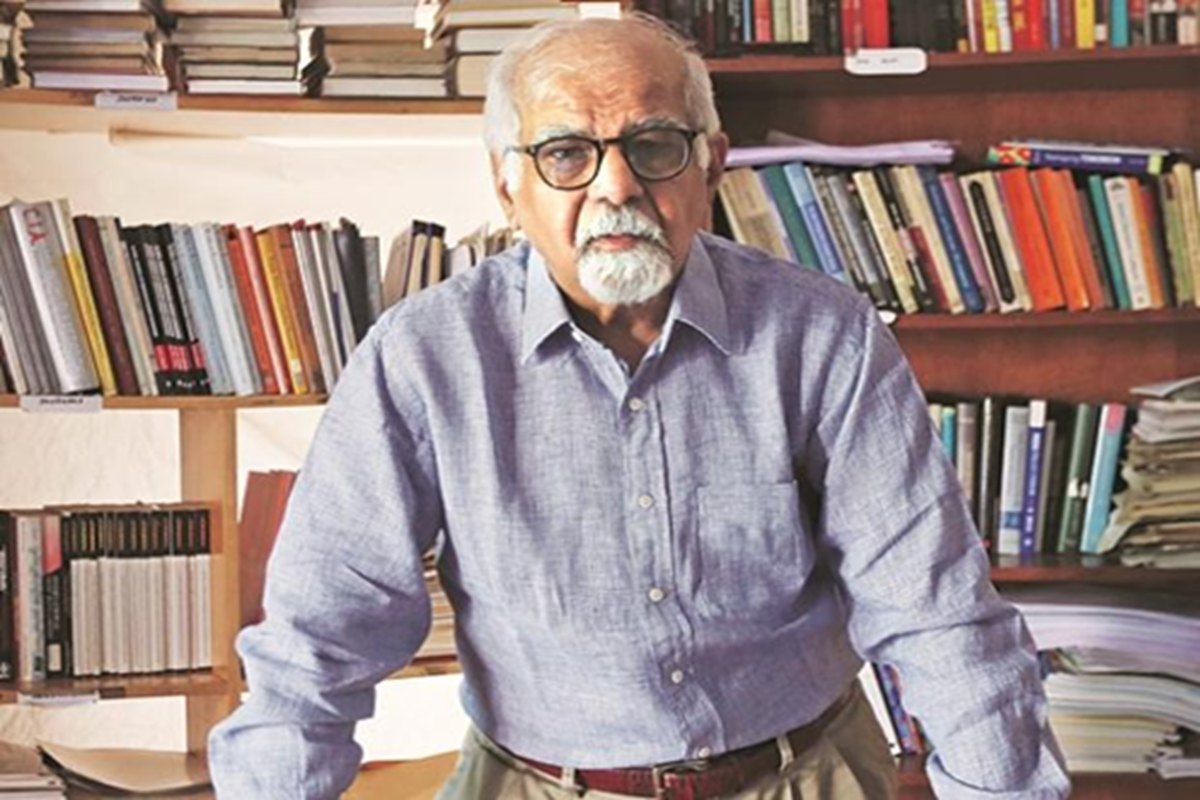
Surjit Singh Bhalla: Indonesia assured investors that legal disputes would be resolved in a transparent and fair manner and within the stipulated timeframe. This attracted more investors.
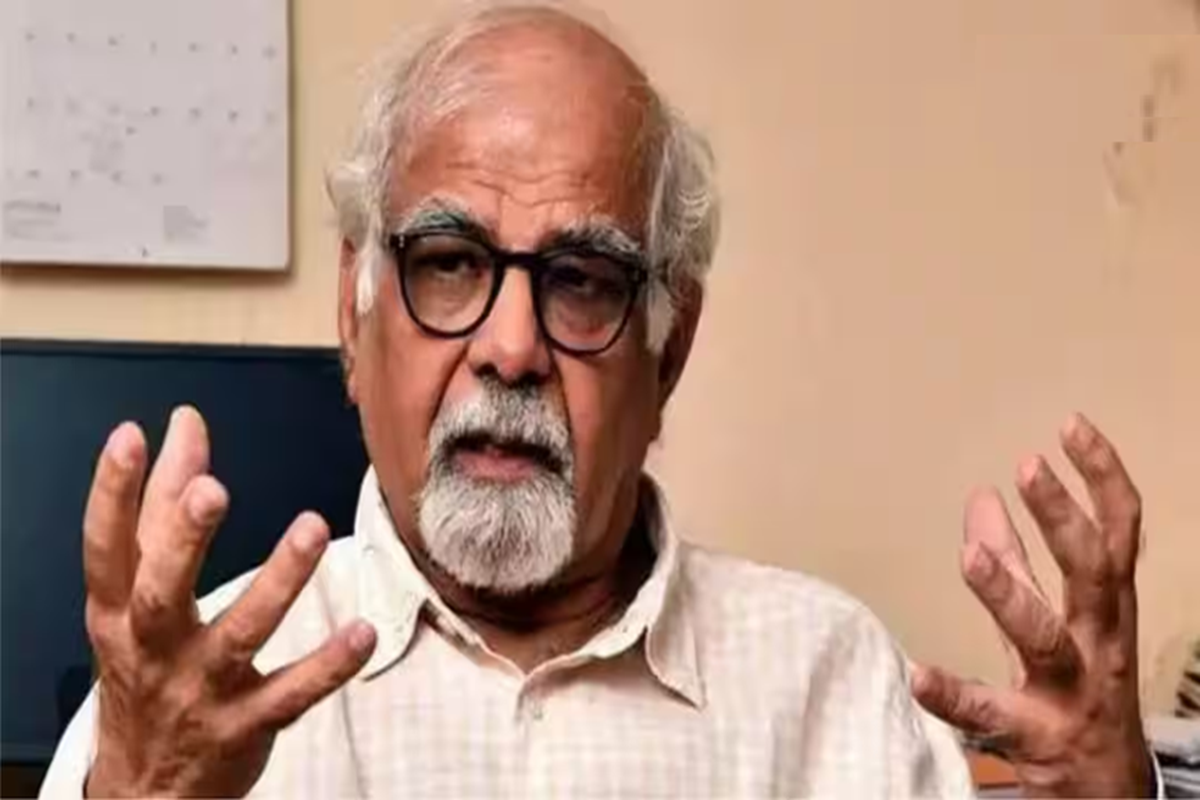
Renowned Indian economist Surjit Bhalla recently expressed concern about the country's investment climate. He stated that not only foreign investors but also domestic investors are now hesitant to invest in their own country. India often touts itself as the world's largest investment destination, but renowned economist Surjit Bhalla says India must accept a harsh reality.
Why is there a decline in foreign investment?
Surjit Bhalla, former IMF executive director for India, Bangladesh, Bhutan and Sri Lanka, said in an article in 'The Indian Express' that foreign direct investment (FDI) has been declining for many years and this is not due to global uncertainties.
According to him, companies and investors around the world invest based on profitability. They have nothing to do with the government's appeals. He alleged that the rules for foreign investors in India have been made so complex as to punish them for investing in India through higher taxes and stricter regulations.
Learn from India and Indonesia
According to him, the root of this problem is a 2015 investment treaty. India has canceled or amended bilateral treaties with several countries since 2015. By 2024-25, the treaties had completely expired. Investors found the new agreements lacking legal protections, and they too have backed off from investing. He said India should learn the right lessons from Indonesia.
He mentioned Indonesia because Indonesia has also scrapped old and flawed agreements with many countries, but has instead enacted new regulations that are more investor-friendly, secure, and strengthen the rule of law. As a result, Indonesia's foreign investment has increased from $14 billion to $20 billion over the past decade.
India has made the rules strict and complicated.
India enacted its new Model BIT in 2015-16, which further complicated exit and dispute resolution processes for foreign investors. Under India's new rules, any foreign investor involved in a dispute must spend years navigating local courts before being able to seek international arbitration. He said India, like Indonesia, should address investors' concerns about legal protections rather than concealing its "loopholes" system.