LPG Shortage 2026: Government Weighs 10 Kg Cylinder Plan Amid Supply Pressure, Here’s What It Means
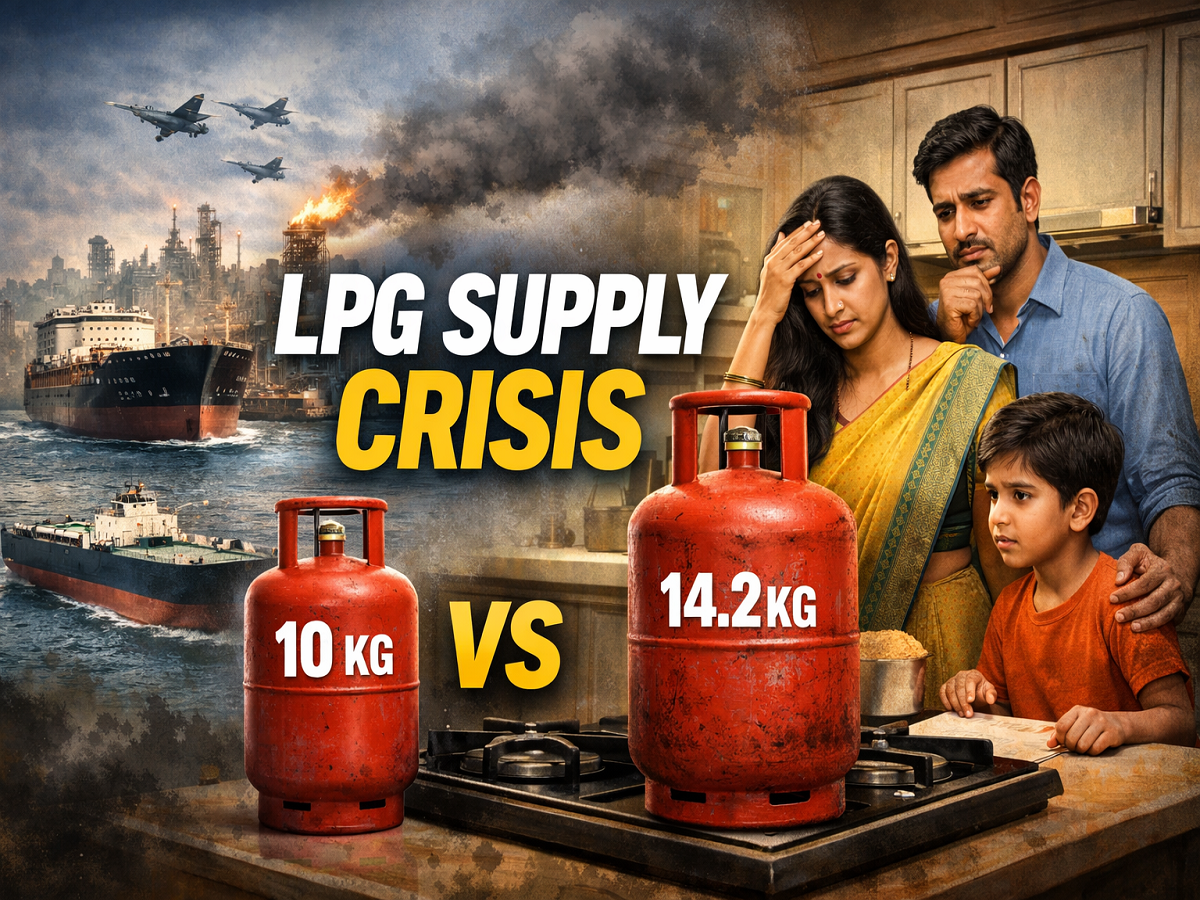
Rising geopolitical tensions in the Middle East, especially involving Iran, are beginning to impact India’s domestic gas supply. Concerns over LPG availability have intensified, and discussions around replacing the standard 14.2 kg LPG cylinder with a 10 kg cylinder have sparked widespread attention.
But is this change really happening? And how could it affect households? Here’s a detailed breakdown of the situation.
Why Is There an LPG Supply Crisis?
India depends heavily on imports to meet its LPG demand. Nearly 60% of the country’s LPG requirement is imported, and a significant portion passes through the Strait of Hormuz, a key global shipping route.
Due to escalating tensions linked to Iran, this route has been disrupted, affecting supply chains. As a result:
- LPG imports have slowed down
- Domestic stock levels are under pressure
- Waiting time for cylinders has increased in several regions
This has created a ripple effect, impacting both availability and prices.
What Is the 10 Kg LPG Cylinder Proposal?
Reports suggest that oil marketing companies are considering a temporary plan to distribute 10 kg LPG cylinders instead of the usual 14.2 kg cylinders.
The main objective behind this move is:
- To ensure wider distribution of limited gas supply
- To prevent complete shortages in specific areas
- To maintain continuity of supply for households
However, government officials have clarified that no final decision has been taken yet, and the idea is still under discussion.
Steps Taken by the Government
To manage the situation and minimize disruption, the government has initiated several measures:
- Refineries have been asked to increase LPG production
- Domestic consumers are being prioritized over commercial usage
- Cylinder booking intervals have been extended to control hoarding
- Efforts are being made to increase imports from alternative countries such as the US and Argentina
These steps aim to stabilize supply and ensure that households continue receiving gas.
Impact on Consumers
The effects of the LPG crunch are already visible in many areas:
- Long queues at gas agencies
- Delays in cylinder delivery
- Increased costs for households
- Small businesses and restaurants facing operational challenges
In some cases, people are even adjusting cooking habits due to limited gas availability.
What Changes If 10 Kg Cylinders Are Introduced?
If the proposal is implemented, it could lead to both benefits and challenges:
Advantages:
- More households will receive LPG
- Better distribution of limited resources
- Reduced risk of complete shortages
Challenges:
- More frequent cylinder refills required
- Logistical adjustments for suppliers and dealers
- Pricing structure may need revision
For consumers, it means balancing availability with convenience.
What Lies Ahead?
The situation remains uncertain and largely depends on global developments. If geopolitical tensions ease and supply routes stabilize, the need for such measures may diminish.
However, if disruptions continue, smaller cylinder options like 10 kg—or even lower capacities—could become a temporary solution.
Final Takeaway
The discussion around 10 kg LPG cylinders highlights the seriousness of the current supply pressure. While no official rollout has been confirmed, the proposal reflects efforts to manage limited resources effectively.
At the same time, this situation underscores India’s dependence on global energy markets and the importance of strengthening energy security and exploring alternative fuel options in the future.