TRAVEL
Lost Luggage at the Airport? Follow These 5 Important Steps to Find Your Bags and Claim Compensation
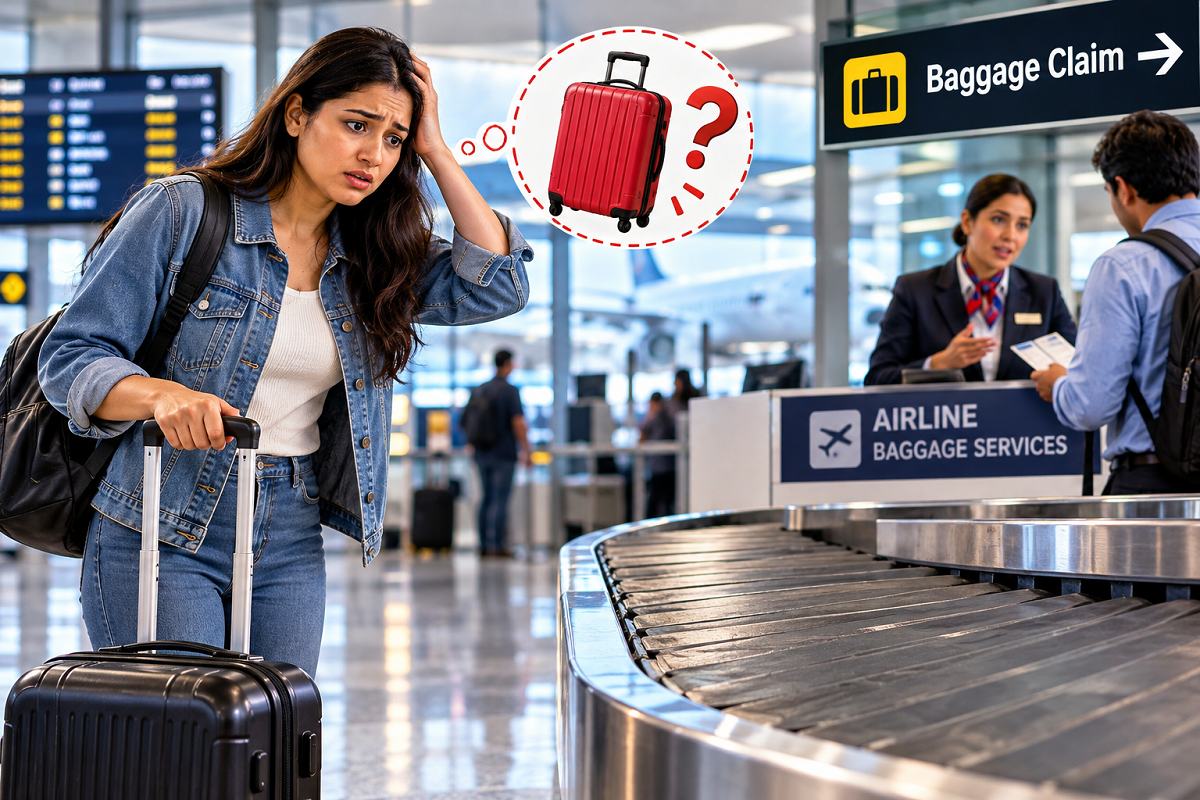
Lost Baggage Tips for Air Travellers: Air travel is usually an exciting experience, especially for people flying for the first time. However, the excitement can quickly turn into frustration when a checked-in suitcase fails to arrive at the destination airport. Missing baggage can disrupt travel plans, create unexpected expenses and leave passengers worried about their personal belongings.
Fortunately, airlines have established procedures for tracing delayed or missing luggage. Taking the correct action immediately can improve the chances of recovering your belongings and help you seek reimbursement or compensation when applicable.
Whether you are travelling within India or flying internationally, understanding baggage complaint procedures can save valuable time and prevent unnecessary complications.
Here are five essential steps every air passenger should follow when checked-in luggage goes missing.
1. Report Missing Luggage Before Leaving the Airport
The first thing passengers should do when their suitcase does not appear on the baggage carousel is contact the airline's baggage assistance counter.
Do not assume that the bag will automatically arrive on the next flight or that the airline will contact you without a complaint.
Visit the airline's baggage services desk, usually located near the baggage collection area, and explain the situation.
Ask the airline representative to register a Property Irregularity Report (PIR).
This report creates an official record of the missing or delayed baggage and helps the airline begin its tracing process.
Passengers should provide accurate information about their luggage, including its colour, size, brand and any distinguishing features.
Before leaving the counter, obtain a copy of the report or its reference number.
A PIR is an important record, but it may not replace a separate written compensation claim required under the airline's procedures.
2. Keep Your Boarding Pass, Baggage Tags and Travel Documents Safe
Travel documents become particularly important when an airline cannot locate checked-in baggage.
The baggage identification tag issued during check-in helps airline staff match the missing suitcase with its original flight and routing information.
Passengers should preserve their boarding pass, flight ticket, booking confirmation and baggage receipt until the issue is resolved.
It is equally important to retain the PIR reference and copies of any emails or messages exchanged with the airline.
Make sure the airline has your correct mobile number, email address and delivery location.
If your suitcase is recovered, these details can help the airline arrange its return, subject to its delivery procedures.
Keeping digital copies of important documents on your phone can also make the complaint process easier.
3. Track Your Missing Suitcase and Stay in Contact With the Airline
After registering the complaint, passengers should regularly check the status of their missing luggage.
Many airlines provide online baggage-tracking facilities through their official websites or customer support systems.
Depending on the airline, passengers may be able to use their PIR reference number to monitor updates.
If the airline does not provide an online tracking service, contact its baggage assistance team for information.
Keep a written record of important conversations, including the date, time and details of any commitments made by airline representatives.
Screenshots of tracking updates and email correspondence can be useful if the case remains unresolved.
Photographs of your suitcase taken before departure may also help airline staff identify it.
However, passengers should remember that a tracking update does not necessarily guarantee a particular delivery time.
4. Understand Airline Compensation and Travel Insurance Benefits
Missing baggage can create additional expenses, particularly when passengers arrive at their destination without clothes, toiletries or other necessary items.
Depending on the circumstances, airline policies and applicable passenger-rights rules may allow reimbursement for reasonable essential purchases.
If you need to buy basic items while waiting for your luggage, keep the original bills and payment receipts.
Avoid unnecessary or expensive purchases because airlines may reject costs they consider unreasonable or outside their reimbursement policy.
Passengers should also distinguish between delayed baggage and luggage that is officially treated as lost.
The applicable compensation rules can depend on whether the flight is domestic or international, the airline's conditions of carriage and relevant aviation laws.
For international travel, the Montreal Convention may apply to baggage-related claims, subject to its conditions, monetary limits and deadlines.
For example, under the Montreal Convention, written complaints about delayed baggage generally must be submitted within 21 days after the baggage is made available to the passenger. Other deadlines can apply to damaged or lost baggage.
Passengers travelling on Indian domestic flights should review the airline's applicable liability terms and relevant DGCA requirements rather than assuming international compensation limits automatically apply.
Travel insurance policies and eligible credit cards may provide additional baggage-delay or baggage-loss benefits.
Check the policy carefully to understand coverage limits, exclusions, documentation requirements and claim deadlines.
5. Take These Precautions to Reduce the Risk of Losing Your Luggage
Although baggage handling is primarily the responsibility of airlines and airport operators, travellers can take several precautions to make identification and recovery easier.
Place a luggage identification label on the outside of your suitcase with suitable contact information.
Adding a second identification card inside the bag can be helpful if the external tag becomes damaged or detached.
Remove outdated airline baggage stickers before checking in, as old labels may create confusion during handling.
Taking photographs of your suitcase and its contents before departure can provide useful evidence if a claim becomes necessary.
Keep important documents, prescription medicines, jewellery, electronics and other valuable belongings in your cabin baggage, subject to airline and security restrictions.
Passengers may also consider using an airline-permitted luggage-tracking device. Such devices can provide location information, but they do not replace the airline's official baggage-tracing process.
Always check the airline's rules regarding batteries and electronic tracking accessories.
What Should You Do If the Airline Does Not Resolve Your Complaint?
If your luggage remains missing or the airline fails to provide satisfactory assistance, submit a formal written complaint through its customer support or grievance-redressal system.
Include your flight details, baggage identification number, PIR reference and copies of relevant documents.
For flights involving India, passengers may also use the government's AirSewa grievance platform, where applicable, to raise an aviation-related complaint.
Keep track of the complaint reference number and any responses received.
If the matter remains unresolved, further remedies may be available under applicable consumer protection laws and aviation regulations.
However, compensation is not automatic, and the outcome depends on the circumstances, supporting evidence and relevant legal provisions.
Final Thoughts
Discovering that your luggage has not arrived can be stressful, but acting promptly can make the recovery process more manageable.
The most important step is to report the missing suitcase to the airline and obtain a Property Irregularity Report before leaving the airport whenever possible.
Preserving baggage tags, monitoring tracking updates and keeping receipts for necessary purchases can also help protect your interests.
Before your next flight, consider photographing your luggage, checking the airline's baggage policy and reviewing your travel insurance coverage.
Disclaimer: Baggage recovery procedures, compensation limits and claim deadlines vary by airline, route and applicable law. Passengers should verify the latest rules with their airline and relevant aviation authorities before submitting a claim.