NEWS
In-Display Fingerprint: Why is in-display fingerprint visible only in Super OLED and not in others?
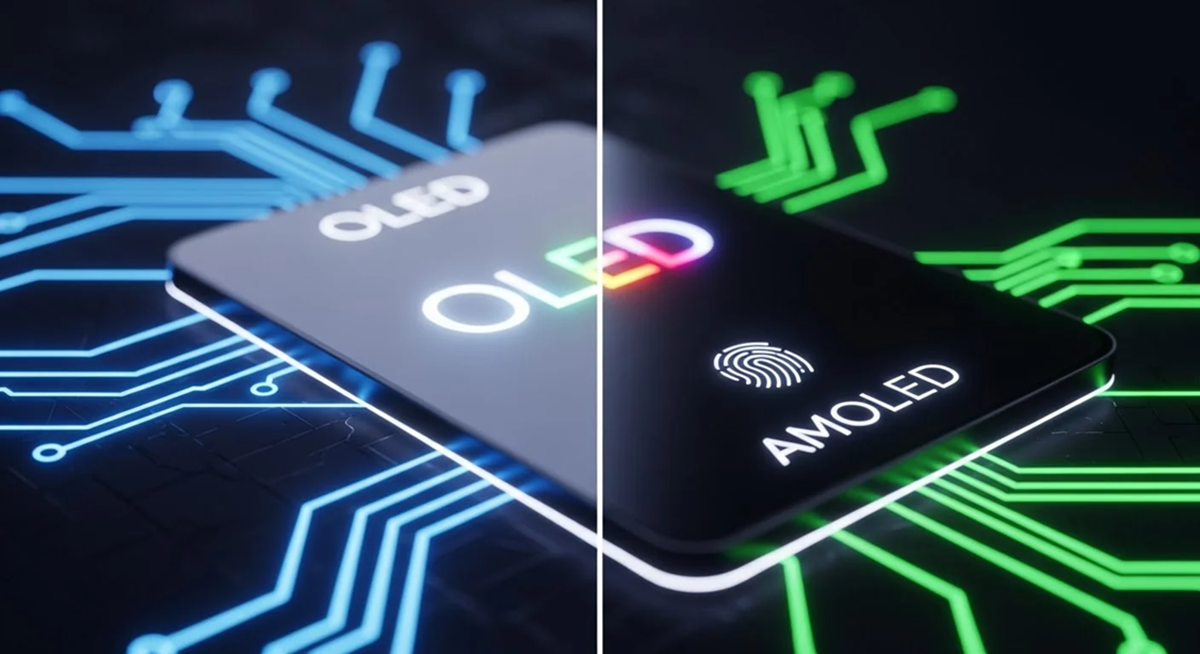
In-Display Fingerprint: Nowadays, almost every smartphone has an OLED display and comes with an in-display fingerprint scanner, which looks quite premium. But why isn't this feature available on LCD screens?
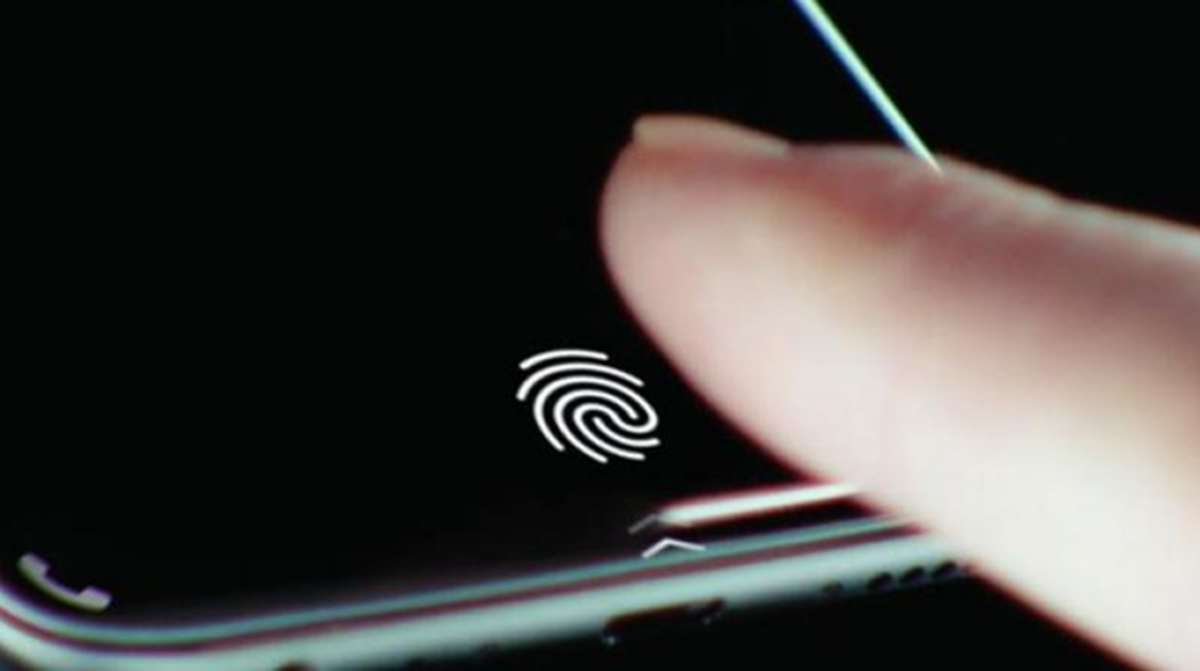
In-display fingerprint sensor
In-Display Fingerprint: In-display fingerprint sensors have become a hugely popular feature in the smartphone market these days. As appealing as it is to unlock your phone simply by placing your finger on the screen, the technology behind it is equally fascinating. But have you ever wondered why this feature is only available in premium and mid-range phones with Super OLED or AMOLED displays, and why budget phones with LCD displays don't include this technology? Let's explore the reasons behind this.
Difference in display design
To understand this whole story, we first need to understand the fundamental difference between LCD and OLED displays. A regular LCD screen cannot generate its own light. To operate, a large, thick white light, called a backlight, must be installed directly behind the screen. This backlight illuminates the entire screen simultaneously. OLED or Super AMOLED displays, on the other hand, are completely different. Each pixel on this screen generates its own light. It doesn't require a separate backlight. When the phone needs black, those pixels turn off completely.
How does in-display fingerprint work?
In fact, smartphones have a tiny camera or sensor hidden just below the screen. When you place your finger on the screen, the sensor detects the lines your finger traces across the screen and takes a photo. If the image matches your saved data, the phone unlocks.
Why does this technology fail in LCD?
The backlight layer behind the LCD is completely opaque. This means it's impossible to see through. When the sensor beneath the screen tries to detect a finger, this thick backlight acts as a barrier, preventing the sensor from scanning your finger. Furthermore, the backlight and several other layers make the LCD screen very thick. The sensor beneath cannot penetrate this thickness to capture a clear image of your finger.
In contrast, an OLED screen is like a thin, transparent sheet of glass. The sensor beneath it can clearly see your finger through the screen without any obstruction. Furthermore, because there's no backlight, OLED screens are extremely thin. This allows the sensor to get very close to your finger, recognizing it in nanoseconds. So, when you place your finger, only that part of the OLED screen brightens rapidly to provide enough light for the camera underneath to see the finger.