LIFESTYLE
IIT Indore Oral Cancer: Now oral cancer can be detected without biopsy; IIT Indore scientists have discovered a method
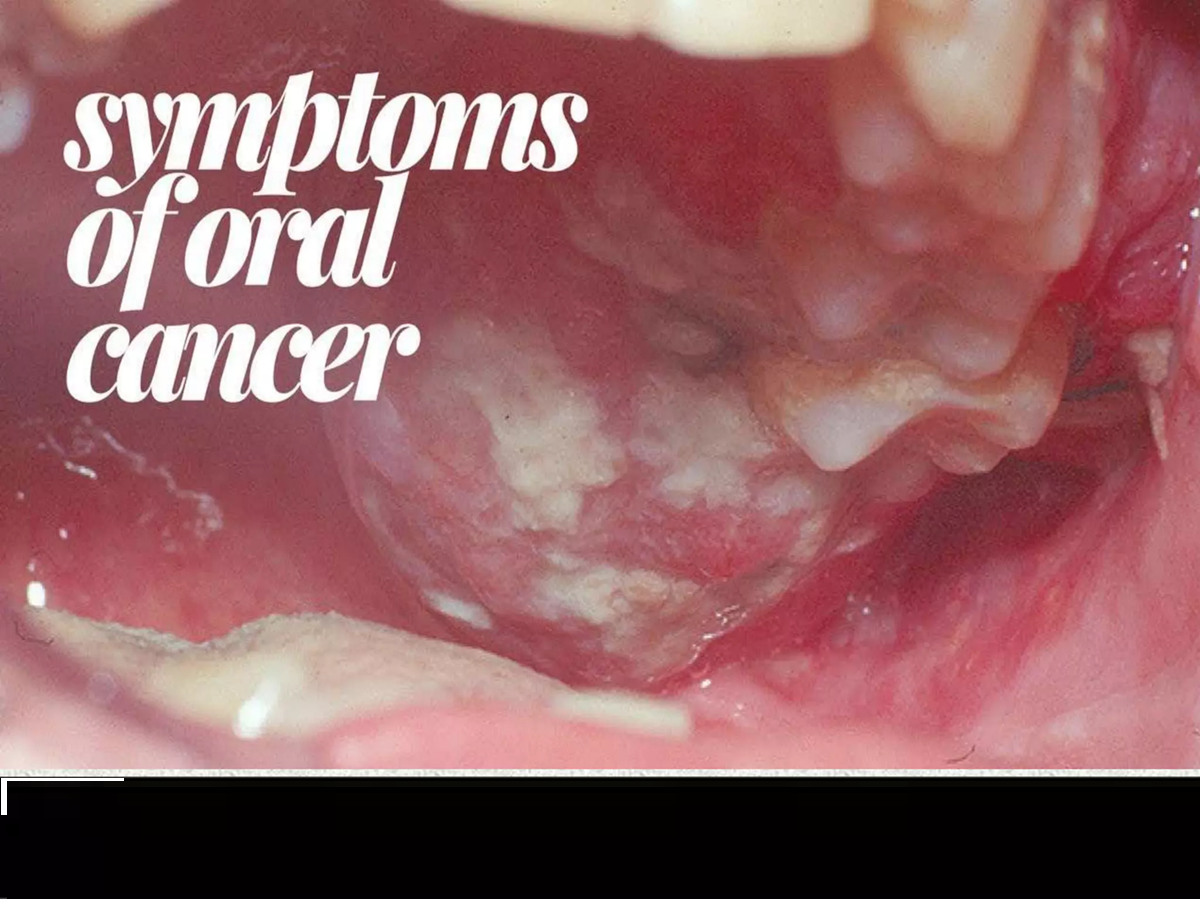
Oral Cancer: IIT scientists have developed a method with the help of which changes in oral cancer can be detected through saliva and simple swab samples taken from inside the mouth.
IIT Indore Oral Cancer Saliva Test Research
IIT Indore Oral Cancer Saliva Test Breakthrough: Oral cancer screening could see a major change in the future. Scientists at the Indian Institute of Technology Indore have developed a method that can detect molecular changes associated with oral cancer using saliva and simple swab samples from inside the mouth. This technology could be especially helpful in the frequent screening and monitoring of people at high risk for oral cancer.
However, this technique cannot be considered a complete substitute for biopsy. Researchers will need to further test it on larger and diverse groups. However, initial results suggest that this method may prove useful in the future for identifying early changes and providing continuous monitoring in at-risk individuals.
Scientists from IIT Indore did the research.
The study was led by Professor Hem Chandra Jha and Dr. Tarun Prakash Verma from the Mehta Family School of Biosciences and Biomedical Engineering at IIT Indore. Dr. Deepak Agarwal from the Government College of Dentistry, Indore, also collaborated on the research. The researchers studied oral squamous cell carcinoma, a common type of oral cancer. They also examined samples from people with oral submucous fibrosis (OSMF), a condition that may be linked to the consumption of betel nut, gutkha, and tobacco, and in some cases, may lead to the development of cancer.
How did you get information from saliva and swabs?
During the research, scientists collected samples from three different groups: healthy individuals, patients with OSMF, and patients with oral cancer. The samples were collected using swabs from the lining of the mouth, along with saliva. These samples were then analyzed using liquid chromatography-mass spectrometry (LC-MS). Using this test, scientists studied certain molecular and chemical changes in the body.
Saliva provided scientists with clues to chemical changes in the mouth, while swabs gathered information about cells and proteins from the inner lining of the mouth. Combining the information from both samples helped to understand the molecular changes that occur from healthy tissue to pre-cancerous conditions and then to cancer.
Scientists are keeping an eye on these changes.
The study observed changes related to fat metabolism. Furthermore, various molecular signatures were also revealed, associated with energy production, oxidative stress, tissue repair, and immune system activity. According to the scientists, such changes may be seen during the disease process. In the future, the possibility of developing these molecular signatures into simple tests could be explored.
Possibility of taking samples without needles and biopsies
The greatest advantage of this method is that it doesn't require a needle or painful procedure to initially collect the sample. Saliva samples are easy to collect, while swabs can be used to collect samples from the inside of the mouth. If this technique proves successful in further studies, it could be used in routine monitoring of people at high risk of developing oral cancer. For example, it could be helpful in periodically screening people with suspicious or precancerous changes in the mouth.
The researchers believe this technique could also help identify certain molecular changes that occur before symptoms appear. However, it will need to be tested and validated on a larger scale before it is fully ready for clinical use.
Professor Suhas Joshi, Director of IIT Indore, said that this study shows the potential for advancing molecular research towards a simple and painless screening method. Professor Hem Chandra Jha added that the team's goal is to translate these molecular signals into practical tools that can be used for early identification and monitoring of at-risk oral lesions.
Research published in the British Journal of Cancer
The findings of this research have been published in the British Journal of Cancer. IIT Indore has also filed a patent application for this technology, which is currently under process. The team of scientists is now preparing to test this research on larger and more diverse patient groups. This will then lead to the development of a simple and user-friendly test based on these cancer-related molecular signatures.