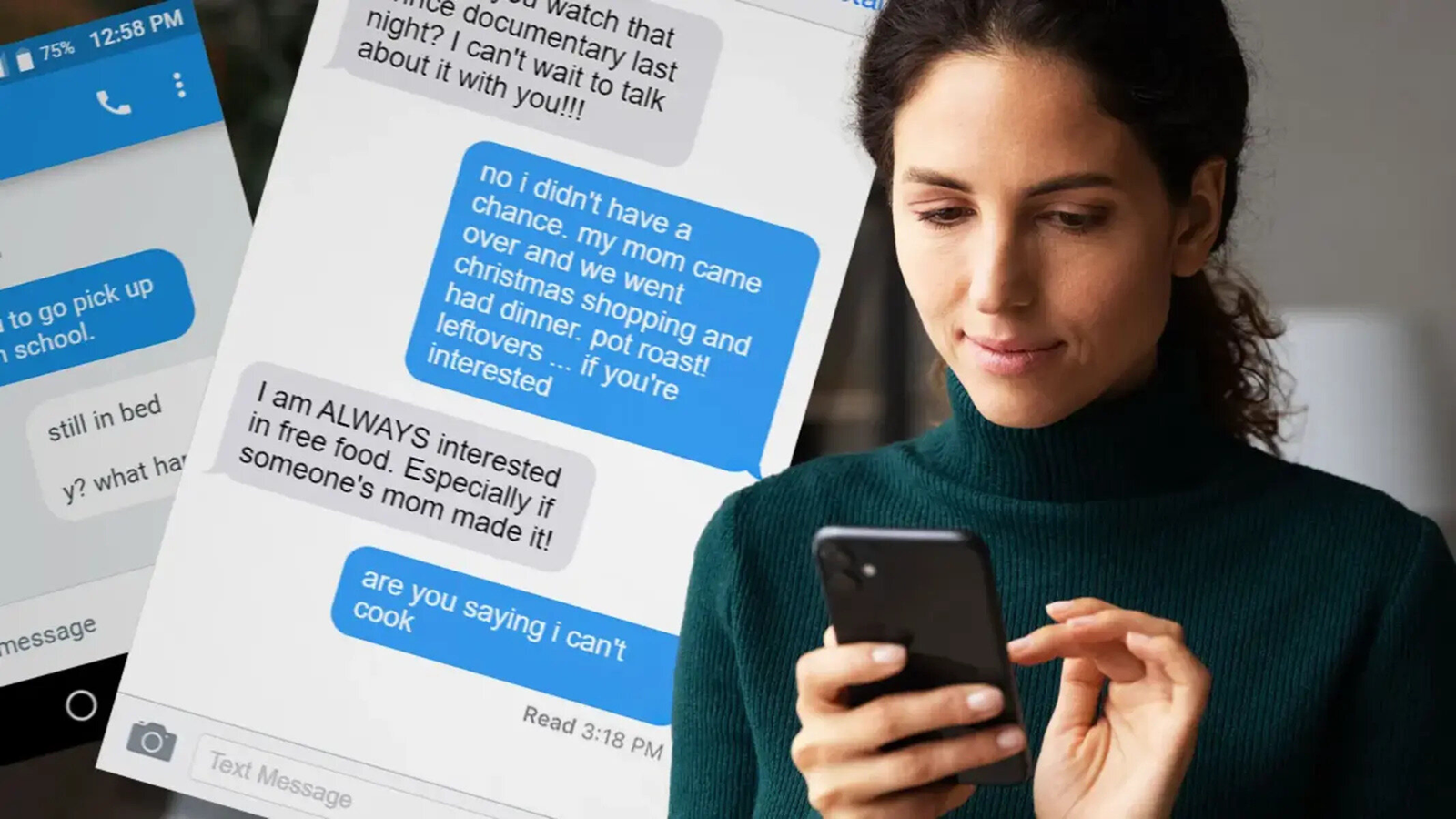
Banking Scam: Fake bank SMSes promise KYC, account closure, or cashback, and ask you to click on a link. Do not trust such messages and do not take any hasty action.
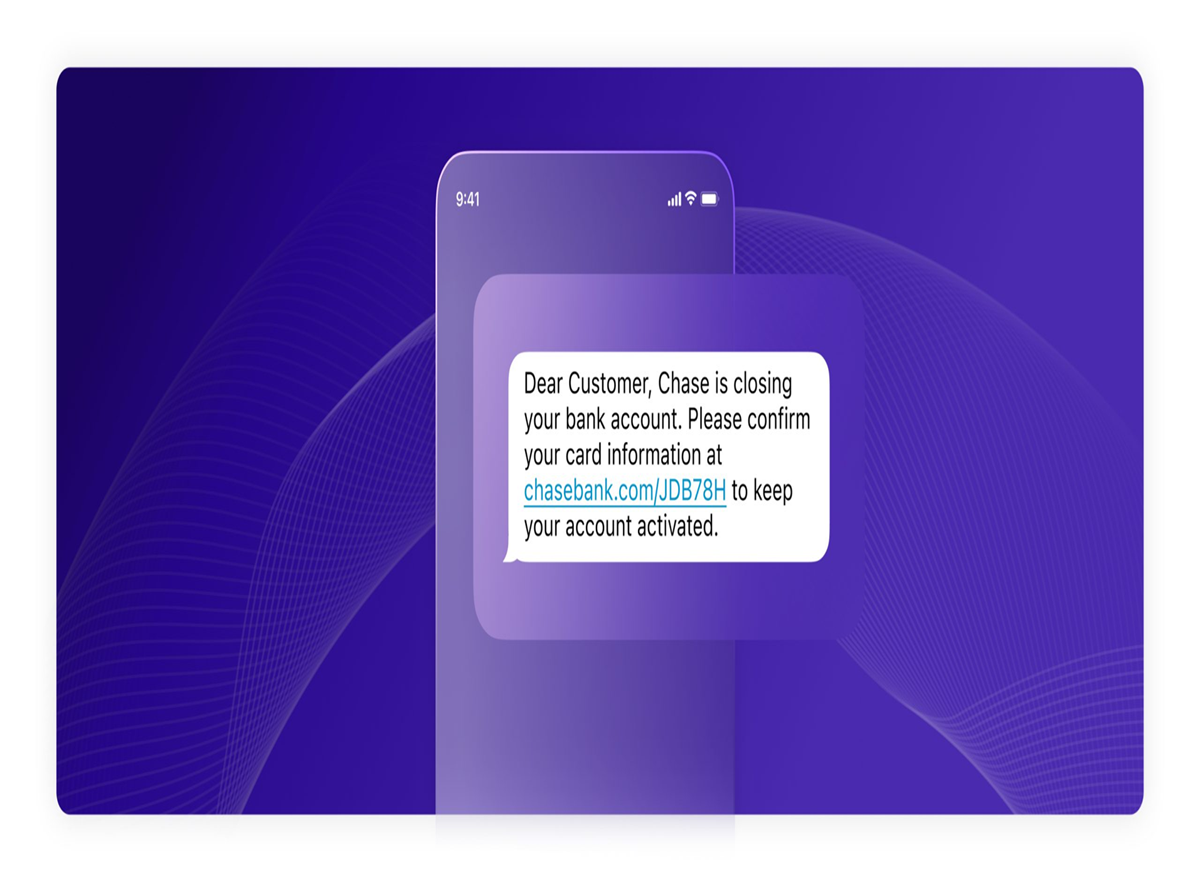
Beware of fake messages coming in the name of the bank.
Bank Fraud SMS News: These days, it's difficult to identify fake SMS messages purporting to be from banks. Many messages appear completely genuine. They threaten to close your account if you don't update your KYC. Some promise cashback and ask you to immediately click on a link. Sometimes, the fake messages appear in the same SMS thread as the original bank messages.
Fake bank messages often scare you or urge you to make a quick decision. They may inform you that your account is closed, your debit card is not working, or you are about to make a large transaction, and you may be asked to immediately open a link or call a number. Do not act hastily on such messages.
Check before clicking on the link.
If you receive an unknown message from a bank, don't click on the link. Instead, open the bank's official mobile app or type in the website address yourself to view the information.
Also, carefully examine the number or name of the sender. Fake SMSes may contain misspellings, strange URLs, or names that resemble a bank. However, not every fake message contains these errors. Therefore, also check the website the link is directing you to.
Never give out OTP, PIN, or CVV.
Fraudulent messages may ask for your internet banking password, debit card information, OTP, or UPI PIN. Banks do not ask you to share your OTP, ATM PIN, CVV, or UPI PIN through SMS links, phone calls, or messaging apps. Be wary of receiving such messages.
If in doubt, contact your bank.
Do not call or respond to the number provided in the message. Instead, contact the bank using the customer care number listed on your debit card or passbook. If you have opened the link or entered the information, inform the bank immediately and change your bank account password. To avoid fraudulent SMS messages, do not rush. Check the message, sender, and link, and use the official website for bank-related information.