NEWS
Hanuman Beniwal Questions Rajasthan Government Over Unspent Funds for Women and Children Schemes
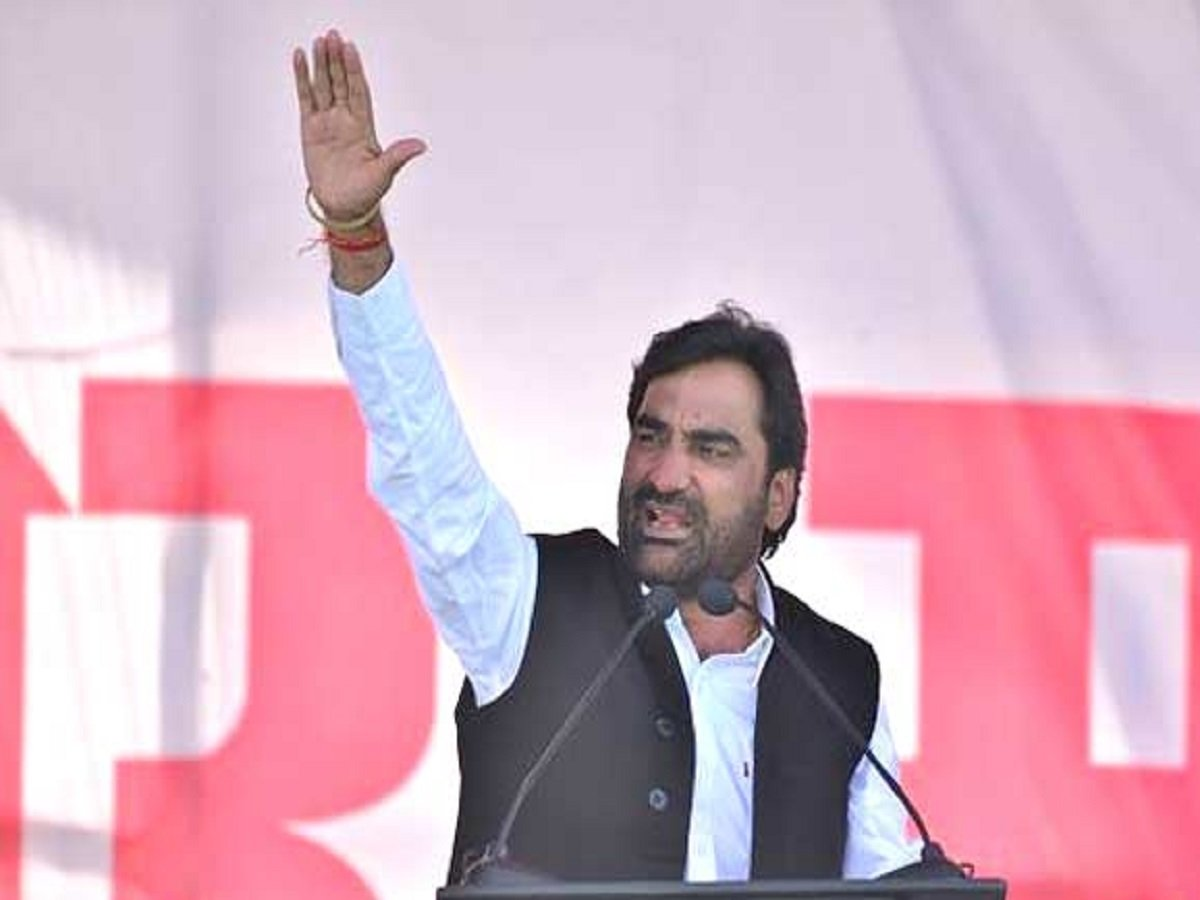
Nagaur MP Hanuman Beniwal has questioned the Rajasthan government's implementation of welfare schemes for children, girls, college students and women, alleging that funds allocated to several programmes remained unspent despite substantial budgetary provisions.
Beniwal raised the issue publicly while targeting the government led by Chief Minister Bhajanlal Sharma. Referring to a media report, he asked the state government to explain why money earmarked for welfare programmes had allegedly not been utilised.
The MP argued that announcing large budget allocations is not enough if the sanctioned money does not translate into benefits on the ground. He also sought accountability from the government and demanded clarity over who was responsible for the reported lack of expenditure.
Beniwal Raises Questions Over Welfare Spending
In a post on X, Beniwal questioned what he described as a gap between budget announcements and actual spending.
He said that thousands of crores of rupees had been allocated from the state exchequer for schemes aimed at children, girls, students and women. However, citing a newspaper report, he claimed that expenditure under several of these programmes remained at zero.
Beniwal asked Chief Minister Bhajanlal Sharma to clarify the government's priorities if funds were being allocated but not used for their intended purpose.
His criticism focused on implementation rather than merely the size of budgetary allocations.
21 of 37 Children's Schemes Saw No Spending in Two Years, Claims Beniwal
One of the most significant claims made by the Nagaur MP concerns schemes designed for children.
According to Beniwal, there are 37 such programmes under consideration, and 21 of them allegedly recorded no expenditure over a period of two years.
He used these figures to question how welfare objectives could be achieved when allocated funds were not being spent.
The MP argued that government schemes ultimately need to deliver benefits to the intended groups and that allocations on paper alone cannot be treated as successful implementation.
The claims cited by Beniwal, however, represent his criticism of the government and would require examination alongside official departmental expenditure records for a complete assessment.
Questions Raised Over Schemes for College Students and Women
Beniwal also highlighted programmes intended for female college students and women.
According to his statement, nine schemes in these categories reportedly received budget allocations worth crores of rupees, but expenditure remained zero.
He questioned why the money was not utilised and whether administrative delays, implementation problems or other factors were responsible.
Beniwal demanded that the Chief Minister provide a clear explanation regarding the status of these programmes and identify those responsible if funds remained unused.
'Budget Announcements Must Translate Into Ground-Level Work'
The central argument in Beniwal's criticism was that headline budget figures should be matched by implementation.
He accused the government of highlighting large financial allocations while, according to him, several schemes were failing to see corresponding expenditure at the ground level.
For beneficiaries, the effectiveness of a welfare programme depends not simply on how much money is announced but also on whether funds are released, spent appropriately and converted into services or financial assistance.
Beniwal therefore called for greater transparency regarding both allocations and actual expenditure.
Beniwal Seeks Accountability From Chief Minister
The Nagaur MP directed several questions at Chief Minister Bhajanlal Sharma, including why expenditure was allegedly not recorded under the schemes and who should be held accountable.
His remarks have brought attention to the broader issue of budget utilisation in welfare programmes.
There can be a distinction between funds announced in a budget, amounts formally allocated or released, and money actually spent during a financial year. Expenditure can also depend on administrative approvals, beneficiary identification, implementation schedules and other procedural requirements.
For that reason, a complete picture would require scheme-wise data showing allocations, releases and actual expenditure.
Welfare Scheme Implementation Becomes Political Issue
Beniwal's remarks have turned the reported spending figures into a political issue in Rajasthan, particularly because the programmes in question concern children, students and women.
The MP has sought an explanation from the state government rather than limiting his criticism to the reported figures. His questions centre on why allocated funds allegedly remained unused and whether responsibility has been fixed for the situation.
The Rajasthan government's detailed response to the specific allegations was not included in the source report.
Until official scheme-wise expenditure figures and a government explanation are available, Beniwal's statements should be treated as political claims based on the report he cited.
The controversy nevertheless highlights an important aspect of public budgeting: the effectiveness of welfare spending is ultimately determined not only by the size of allocations but also by how efficiently those funds reach their intended beneficiaries.