NEWS
Gratuity Rules Changed: Employees May Get Benefits After Just 1 Year Instead of 5—Here’s What It Means

In a major relief for salaried employees in India, the government is set to introduce a significant reform in gratuity rules under the new labour framework. Traditionally, employees were required to complete at least five years of continuous service to become eligible for gratuity. However, under the proposed changes in the New Labour Codes, this waiting period could be reduced to just one year for certain categories of workers.
This move is expected to enhance financial security, especially for employees working in short-term or contract-based roles.
What Is Changing in Gratuity Rules?
Under the new provisions, employees may no longer need to wait five years to qualify for gratuity benefits. Instead, they could become eligible after completing just one year of service.
The new rule is expected to apply to employees who join organizations on or after November 21, 2025. Those who joined before this date may continue to be governed by the existing five-year rule, depending on final implementation guidelines.
This change reflects the evolving nature of employment, where job switching and short-term contracts are becoming increasingly common.
Who Will Benefit the Most?
The revised gratuity rules are designed to make benefits more inclusive. Here’s how different categories of employees could benefit:
1. Fixed-Term Employees (FTEs)
Employees hired on fixed-term contracts—such as one-year or two-year roles—will now be eligible for gratuity after completing one year of service. Earlier, many such employees missed out on this benefit.
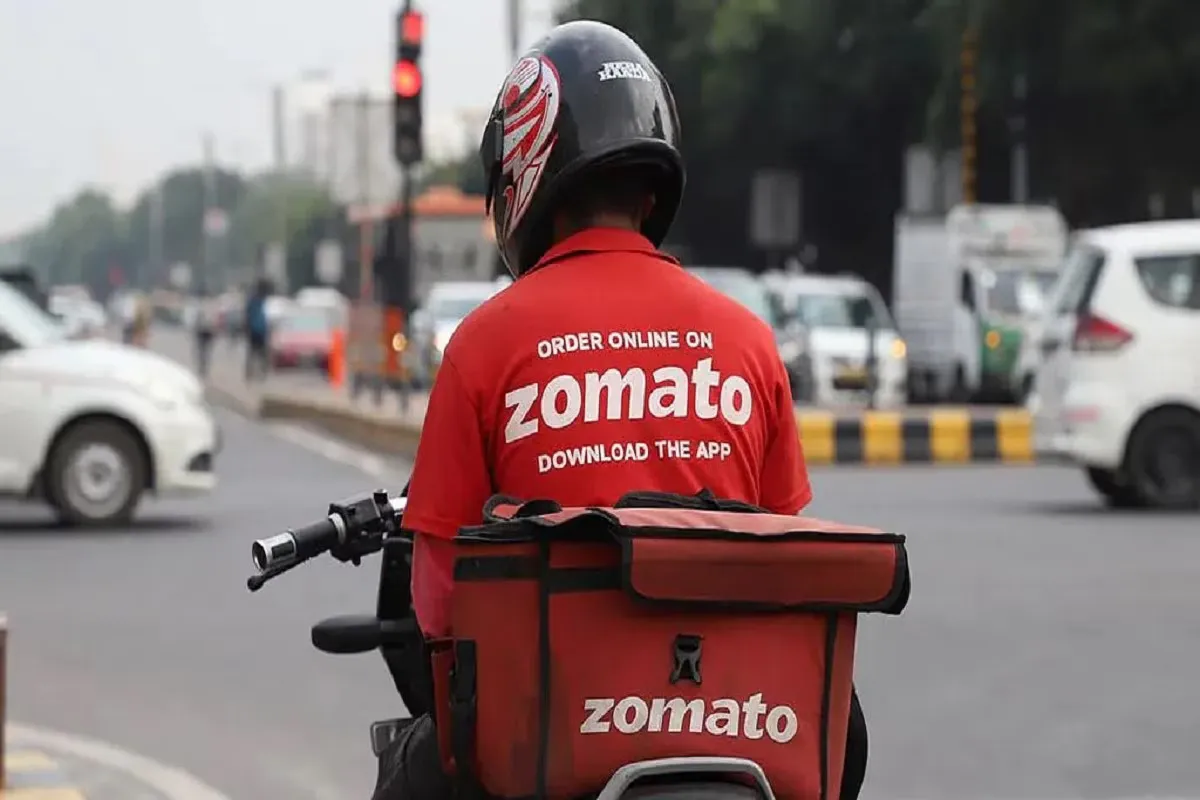
2. Contract Workers
Workers employed through contracts may receive gratuity on a pro-rata basis, depending on the duration of their employment. This ensures fair compensation even for shorter tenures.
3. Regular Employees
While long-term employees continue to benefit under existing norms, the reduced eligibility period will especially help those who switch jobs frequently.
Higher Gratuity Payouts Expected
The reform is not just about reducing the eligibility period—it may also increase the gratuity amount employees receive.
Under the new structure, gratuity will be calculated based on:
- Basic salary
- Dearness Allowance (DA)
- Retaining allowance
Additionally, the new wage rules under the New Labour Codes mandate that allowances cannot exceed 50% of total CTC. This effectively increases the basic salary component.
Since gratuity is calculated on basic pay, a higher basic salary could lead to a significant increase—potentially up to 66%—in gratuity payouts, according to experts.
Why This Change Matters
In today’s dynamic job market, employees often switch roles within a few years. The earlier five-year requirement often resulted in workers losing out on gratuity benefits despite contributing significantly during their tenure.
Reducing the eligibility period to one year ensures that:
- Employees receive a financial cushion when leaving a job
- Short-term and contract workers are not excluded
- Workforce mobility does not lead to financial loss
This change aligns with modern employment trends and offers a more equitable system for workers.
A Boost to Financial Security
Gratuity is often seen as a “thank-you benefit” from employers—a lump sum paid to employees upon leaving a job after a certain period. With the new rules, more employees will be able to access this benefit earlier in their careers.
This can be particularly helpful for:
- Covering transition periods between jobs
- Managing unexpected expenses
- Building long-term savings
The proposed changes under the New Labour Codes mark a major shift in India’s employment landscape. By reducing the gratuity eligibility period from five years to just one year and potentially increasing payouts, the government aims to provide better financial protection to millions of workers.
As implementation details continue to evolve, employees should stay informed and review how these changes may impact their salary structure and long-term financial planning.