For individuals struggling with a low credit score or applying for their first credit card, FD-backed credit cards have emerged as a popular and accessible option. Banks often recommend this type of card as a safer alternative, especially for those without income proof or a strong credit history. But is it truly risk-free, or are there hidden downsides? Here’s everything you need to know before opting for one.
What Is an FD-Backed Credit Card?
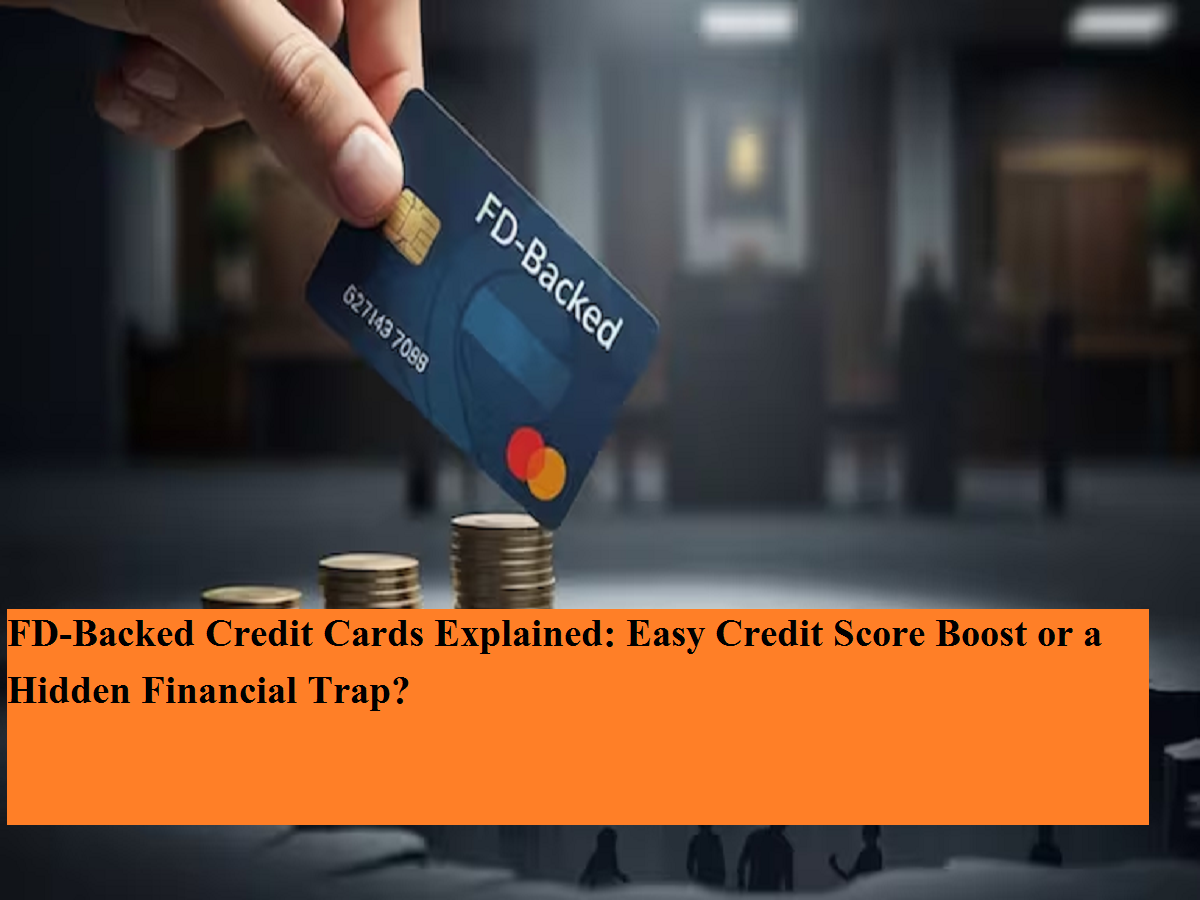
An FD-backed credit card is issued against your fixed deposit. In simple terms, you deposit a certain amount in a bank as a Fixed Deposit (FD), and the bank uses that amount as collateral to offer you a credit card.
Typically, your credit limit is set between 75% to 90% of your FD value. For example, if you create an FD of ₹1 lakh, you may get a credit card with a limit of ₹75,000 to ₹90,000.
This makes it an ideal choice for beginners or those with a poor CIBIL Score, as approval is almost guaranteed due to the secured nature of the card.
Why Are People Choosing FD-Backed Credit Cards?
1. Easy Approval Process
Since your FD acts as a guarantee, banks do not require extensive income verification. This makes the application process quick and hassle-free.
2. Helps Improve Credit Score
Regular and timely repayment of credit card bills can significantly improve your CIBIL Score. This becomes beneficial when applying for loans like home loans or car loans in the future.
3. Controlled Spending
Because your credit limit is linked to your own savings, it naturally restricts overspending and promotes financial discipline.
Not All Cards Are the Same
It’s important to understand that FD-backed credit cards differ from bank to bank. Some banks offer attractive reward points, cashback, and benefits, while others provide basic cards with limited features but still charge annual fees.
Before choosing a card, always compare:
- Annual and joining fees
- Interest rates
- Rewards and benefits
- Hidden charges
Key Risks You Should Not Ignore
While FD-backed cards are often marketed as “safe,” they are not completely risk-free. Here are some important drawbacks:
1. High Interest Rates
Many users assume that since the card is secured, interest rates will be lower. However, that’s not the case. If you fail to pay your dues on time, you may be charged interest rates as high as 30%–40% annually—similar to regular credit cards.
2. Low Returns vs High Costs
Your FD may earn you around 6%–7% interest, but unpaid credit card dues can cost you over 30%. This gap can quickly lead to financial losses.
3. Funds Are Locked
As long as the credit card remains active, your FD cannot be withdrawn. This means your money is not accessible even during emergencies.
What Happens If You Default?
If you fail to pay your credit card bill, the bank has the right to recover the outstanding amount by breaking your FD. This not only wipes out your savings but also negatively impacts your credit score.
A default can have long-term consequences, making it harder for you to access loans or financial products in the future.
Should You Get One?
FD-backed credit cards can be a smart financial tool—but only if used responsibly. They are particularly useful for:
- First-time credit users
- Individuals with low or no credit history
- Those looking to rebuild their credit score
However, they require disciplined usage. Paying your dues on time and avoiding unnecessary spending is key to making the most of this product.
FD-backed credit cards offer a practical way to enter the credit ecosystem and improve your financial profile. But they are not a shortcut to easy credit. Without proper management, they can turn into an expensive mistake.
Before applying, evaluate your financial habits and ensure you can handle credit responsibly. Used wisely, these cards can open doors to better financial opportunities—but misuse can cost you both your savings and your creditworthiness.