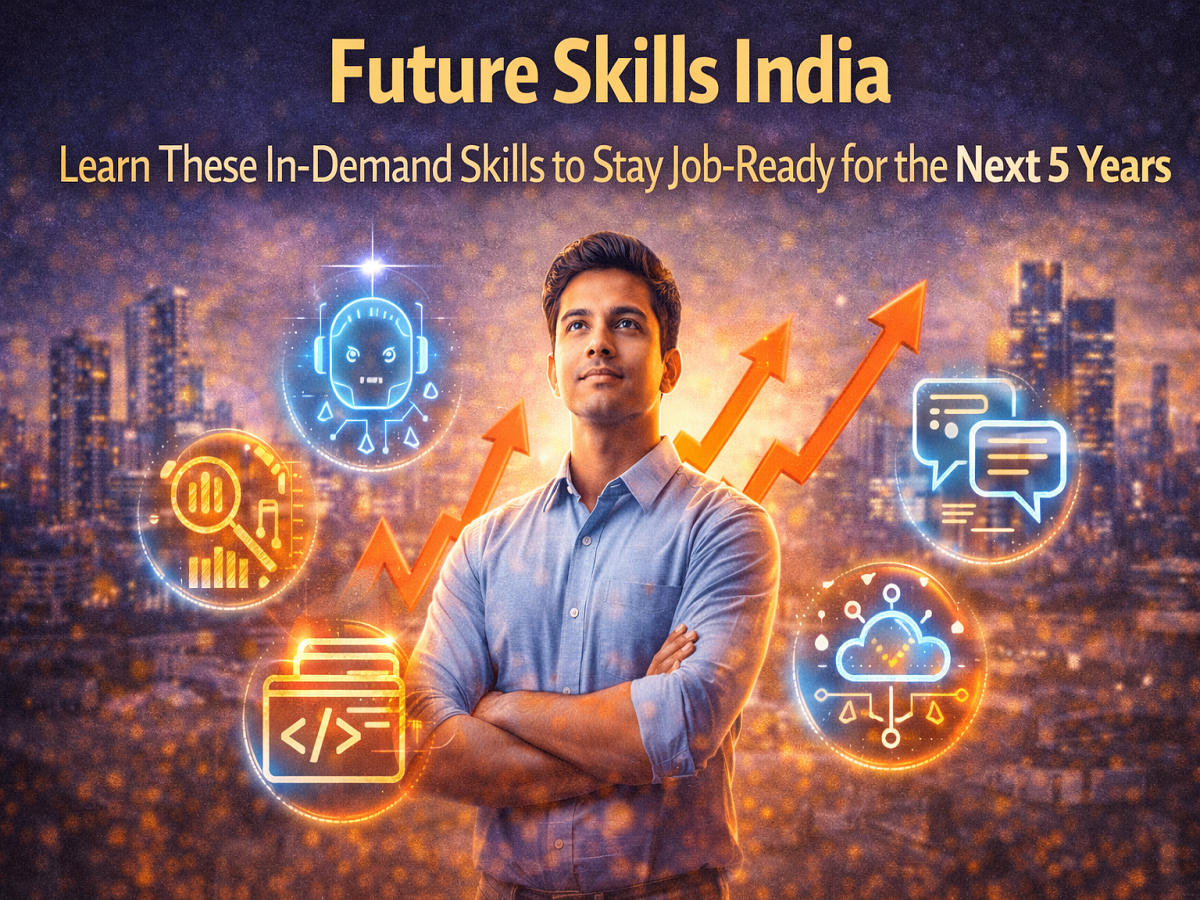
In today’s fast-changing world, the nature of jobs is evolving at an unprecedented pace. Rapid advancements in technology, automation, and digital transformation are reshaping industries across India and beyond. Skills that were relevant a few years ago may soon become outdated, making it essential for professionals to continuously upgrade themselves.
If you want to secure your job and grow your career in the next five years, learning the right set of skills is no longer optional—it’s a necessity.
Why Skill Requirements Are Changing Rapidly
The rise of Artificial Intelligence, automation, and digital platforms has transformed how businesses operate. Companies today are not just looking for degrees; they want individuals who can adapt, innovate, and solve real-world problems.
As industries become more tech-driven, the demand for multi-skilled professionals is increasing. This means relying on just one skill is no longer enough—you need a combination of technical expertise and soft skills to stay relevant.
1. Digital and Technical Skills Are Now Essential
Digital literacy has become a basic requirement across almost all job roles. From entry-level positions to senior management, understanding technology is crucial.
Some of the most in-demand technical skills include:
- Data analytics
- Cloud computing
- Cybersecurity
- Basic programming knowledge
These skills not only improve employability but also open doors to high-growth career opportunities.
2. Understanding AI and Automation
The impact of Machine Learning and automation is visible across sectors—from finance to healthcare.
You don’t need to become a data scientist, but having a basic understanding of how AI tools work can give you a significant advantage. Professionals who can use AI to improve efficiency and productivity are highly valued in today’s job market.
3. Communication and Soft Skills Still Matter
While technical skills are important, soft skills remain equally critical.
Strong communication, teamwork, and leadership abilities can set you apart from others with similar qualifications. In many cases, professionals with better communication skills advance faster in their careers.
Employers increasingly value individuals who can:
- Present ideas clearly
- Collaborate effectively
- Lead teams with confidence
4. Problem-Solving and Critical Thinking
Companies are no longer looking for employees who simply follow instructions. They want individuals who can think independently and solve complex problems.
Critical thinking and analytical skills help professionals:
- Make better decisions
- Handle challenging situations
- Drive innovation within organizations
These abilities are especially important in dynamic work environments where quick and effective solutions are required.
5. Continuous Learning and Adaptability
One of the most important skills for the future is the ability to learn continuously.
Technology is evolving so quickly that staying updated is essential. Professionals who embrace change and keep learning new tools and concepts are more likely to succeed.
Adaptability ensures that you remain relevant, even as job roles and industries evolve.
6. Data Literacy Is the New Power Skill
Data has become one of the most valuable assets for businesses. Companies rely on data-driven decisions to improve performance and strategy.
Understanding how to read, interpret, and use data can significantly increase your value in any organization. Even basic data skills can help you stand out in a competitive job market.
7. The Growing Importance of Multi-Skilling
In the modern workplace, versatility is highly valued.
Employers prefer professionals who can handle multiple responsibilities. For example, someone in marketing who also understands data analytics or digital tools has a clear advantage.
Multi-skilling not only increases job security but also enhances career growth opportunities.
How to Start Learning These Skills
Getting started may seem overwhelming, but it’s easier than you think. Here are some simple steps:
- Enroll in online courses or certifications
- Dedicate time daily to learning
- Apply new skills in your current job
- Work on small projects to gain practical experience
Consistency is key. Even small efforts over time can lead to significant growth.
Final Thoughts
The future job market will reward those who are prepared to evolve. By focusing on a mix of technical knowledge, soft skills, and continuous learning, you can stay ahead of the curve.
In the coming years, success will not depend on what you know today—but on how quickly you can learn and adapt. Investing in the right skills now can secure your career and open doors to new opportunities in the future.