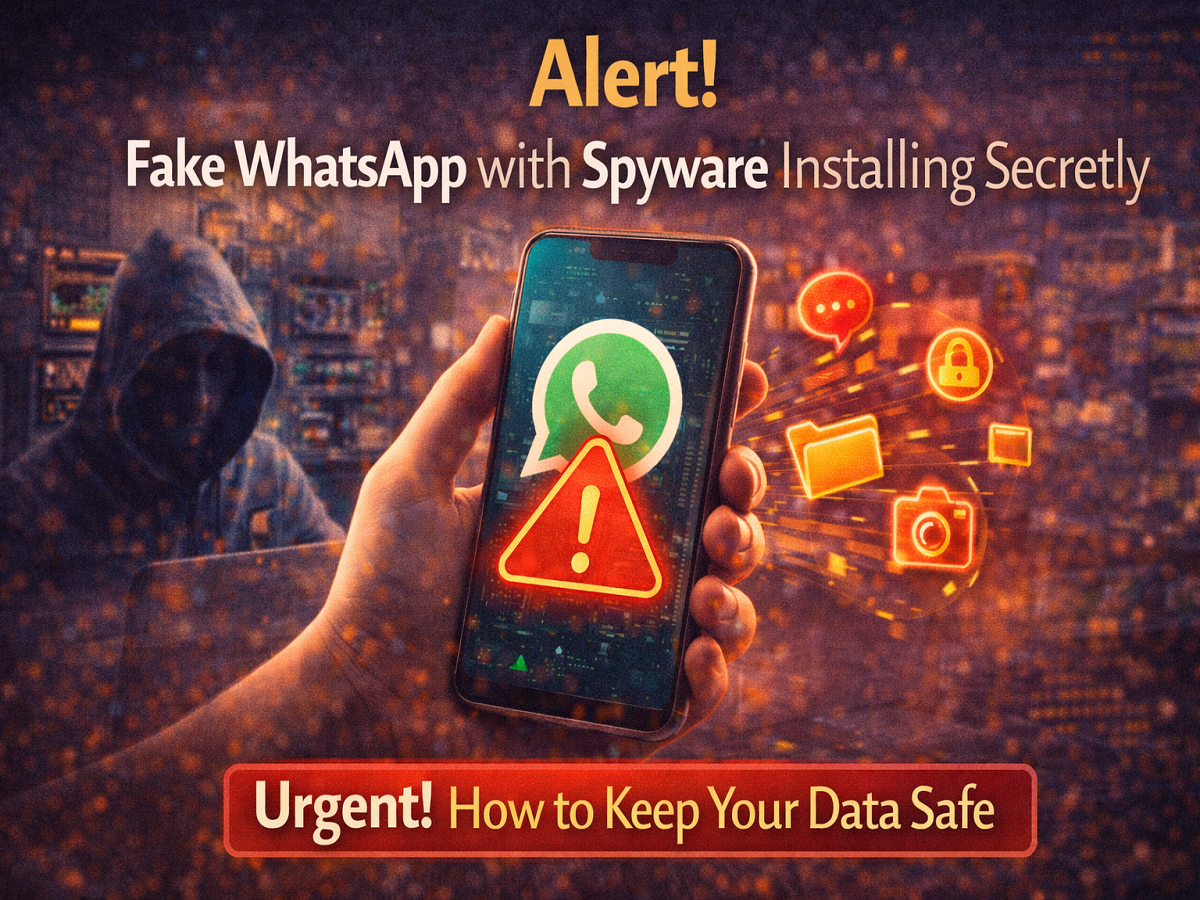
A serious cybersecurity warning has been issued after reports emerged that a fake version of WhatsApp is being used to target unsuspecting users. The fraudulent app is reportedly designed to install spyware on devices, potentially exposing sensitive personal data to cybercriminals.
According to recent updates, this malicious activity has already affected hundreds of users, prompting urgent alerts from the platform’s parent company Meta Platforms. If you are someone who frequently downloads apps or clicks on shared links, this warning is especially important.
Fake WhatsApp App Used to Install Spyware
Cybersecurity experts have identified a growing trend where attackers distribute fake versions of popular apps to gain access to users’ devices. In this case, a counterfeit version of WhatsApp is being circulated through suspicious links and unofficial sources.
Once installed, the app secretly embeds spyware into the device. This spyware can monitor user activity, access private messages, and even extract sensitive data such as contacts, passwords, and media files.
Reports suggest that around 200 users were recently impacted by this scam, highlighting the scale and seriousness of the issue.
Where Has This Threat Been Detected?
Initial cases of this spyware attack have reportedly surfaced in Italy. The company confirmed that its security team detected affected users and took immediate action by logging them out and issuing privacy warnings.
Users were advised to uninstall the fake application immediately and reinstall the official version from trusted platforms. However, authorities have not disclosed detailed information about the victims to protect their privacy.
Who Is Behind the Fake App?
According to statements, the spyware campaign is allegedly linked to an Italian surveillance firm known as SIO.
This is not the first time such tactics have been used. Fake apps are a common tool in surveillance operations, allowing attackers to infiltrate devices without raising suspicion. Once installed, these apps operate silently in the background, continuously sending user data to external servers.
Why This Is a Serious Concern
The use of spyware through fake apps poses a major threat to digital privacy. Unlike typical scams, these attacks do not always show immediate signs. Users may continue using their devices normally while their data is being monitored in real time.
With messaging apps becoming central to communication, financial transactions, and even work-related discussions, such breaches can have severe consequences.
How to Protect Your WhatsApp Account
To stay safe from spyware and malware attacks, users should follow these essential precautions:
1. Download Apps Only from Trusted Sources
Always install apps from official platforms like the Google Play Store or Apple App Store. Avoid downloading APK files or apps from unknown websites.
2. Avoid Clicking on Suspicious Links
Do not click on links sent by unknown contacts or unverified sources, especially if they prompt you to download an app.
3. Check App Permissions Regularly
Review the permissions granted to apps on your phone. If an app requests unnecessary access (such as contacts, camera, or storage), it could be a red flag.
4. Enable Two-Step Verification
Activate two-factor authentication within WhatsApp settings to add an extra layer of security to your account.
5. Keep Your Apps and Device Updated
Regular updates often include security patches that protect against the latest threats. Always keep your phone’s software and apps up to date.
Final Thoughts
The rise of fake apps and spyware attacks is a reminder of how important digital awareness has become. While platforms like WhatsApp continue to strengthen their security systems, users also need to stay cautious and informed.
A single careless click can expose your personal data, but simple precautions can go a long way in keeping you safe. As cyber threats evolve, staying alert is your best defense.