NEWS
Every 5th person in the village is poor; every 12th in the city. The figures will surprise you.
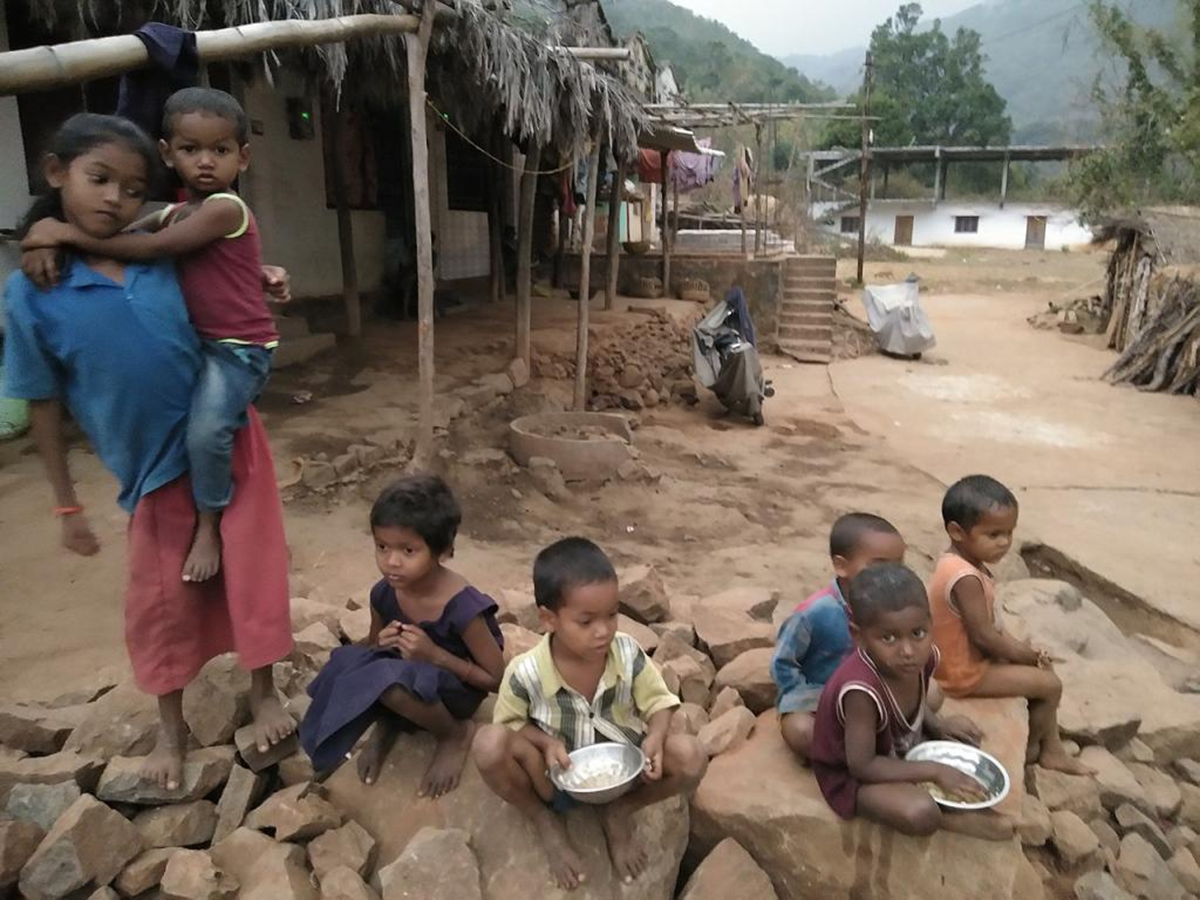
According to World Bank data, the poverty rate in rural India was 19.3% and in urban India was 8.6% in 2023-24. Let's examine whether rural poverty is higher or lower than urban poverty.
Poverty in India: Poverty is more prevalent in villages than in cities.
Regarding poverty in India, it's often said that the situation is better than before. But are the conditions of people living in villages and cities the same? Even today, approximately one in five people in villages live below the poverty line, while in cities, this figure is around one in 12. This means that despite the reduction in poverty, the gap between rural and urban areas persists.
According to World Bank data from April 2026, the poverty rate in India in 2023-24 was 19.3% in rural areas, while in urban areas it was 8.6%. These figures are based on the World Bank's poverty line of $4.20 per day. Let's understand this in detail.
What's the difference between rural and urban areas?
The difference between the poverty line and rural areas is significant. In rural areas, approximately 19 out of every 100 people live below the poverty line, while in cities, the number is 9 out of every 100. This means that the poverty rate in villages is more than double that in cities.
What is the cause of poverty?
Unemployment is a major cause of poverty. In rural areas, a large population relies on agriculture, while in cities, jobs, businesses, and other jobs offer more income.
Has poverty increased or decreased?
According to the World Bank, the poverty ratio in India, based on the $4.20-a-day poverty line, was 57.7% in 2011-12. It declined to 16.1% in 2023-24. This means a significant reduction in the poverty ratio in 12 years.
Despite this, approximately 232 million people remained below this poverty line in 2023-24. This means that even after poverty reduction, a large population remains challenged to meet their daily needs. Regarding extreme poverty, based on the international poverty line of $3 a day, the poverty ratio in India declined from 27.1% in 2011-12 to 2.6% in 2023-24.
The direct connection
between education and poverty is evident in statistics. According to 2023, the poverty rate among those without education was 21.3%, while among those with post-secondary education, it was 7.4%.
How many people are affected by multidimensional poverty?
Poverty isn't just about low income. Sometimes, even when a family has a good income, they lack access to education, healthcare, clean water, electricity, and other basic amenities. This is called multidimensional poverty.
According to media reports, 15.5% of India's population was living in multidimensional poverty in 2023. This means that understanding poverty requires looking not just at income, but also at the basic amenities available to people.