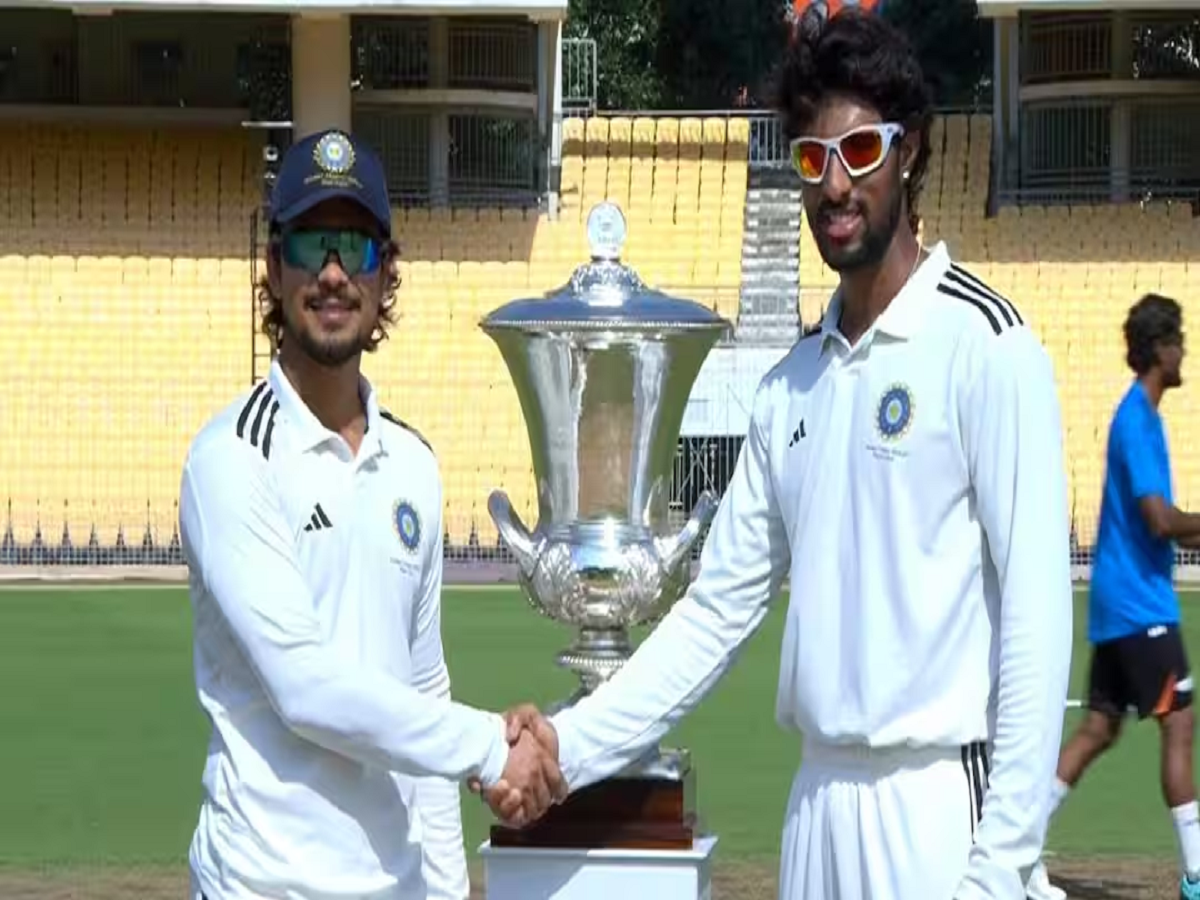
East Zone’s decision to continue batting until it reached a massive first-innings total of 708 in the 2026 Duleep Trophy final has sparked considerable debate. While some observers expected captain Ishan Kishan to declare earlier and give his bowlers more time to dismiss South Zone twice, the tournament’s result rules provide a clear explanation for the strategy.
The five-day red-ball final is being played in Chennai. East Zone occupied the crease for the first two days and built an imposing total, led by Kishan’s outstanding 270. Kumar Kushagra also struck a century, while openers Vaibhav Suryavanshi and Abhimanyu Easwaran laid the foundation with a century partnership.
With such a large score on the board, the possibility of a drawn match has become a major talking point. Unlike many limited-overs finals, however, a draw in the Duleep Trophy does not automatically result in the trophy being shared between the two teams.
Who Wins the Duleep Trophy if the Final Ends in a Draw?
If the Duleep Trophy final finishes without an outright result, the team holding the first-innings lead will be declared the champion.
This rule is commonly followed in Indian domestic red-ball knockout competitions, including the Duleep Trophy and Ranji Trophy. It ensures that there is a clear winner even when both teams cannot complete two innings within the scheduled duration.
East Zone’s 708 has consequently given the team a significant advantage. If South Zone is dismissed for 707 or fewer in its first innings and the match later ends in a draw, East Zone will lift the Duleep Trophy because of its first-innings lead.
South Zone must reach at least 709 to secure that lead outright. A total of exactly 708 would leave the first-innings scores level and bring other applicable competition regulations into consideration.
Why Did East Zone Not Declare Earlier?
In ordinary Test-match strategy, a team may declare at 500 or 550 to give its bowlers enough time to take 20 opposition wickets. That approach is designed to create the best possible chance of securing an outright victory.
A domestic final governed by a first-innings-lead rule requires a different calculation. By batting for as long as possible and posting 708, East Zone reduced the likelihood of South Zone overtaking its total.
An earlier declaration would have provided more time to bowl but would also have set South Zone a smaller first-innings target. If the match then ended in a draw after South Zone crossed that total, East Zone could have lost the championship despite never being defeated outright.
Kishan’s decision therefore appears to have prioritised title security. East Zone can still push for a complete victory, but it has also created a strong alternative path to the trophy through the first-innings advantage.
Ishan Kishan Leads East Zone’s Batting Display
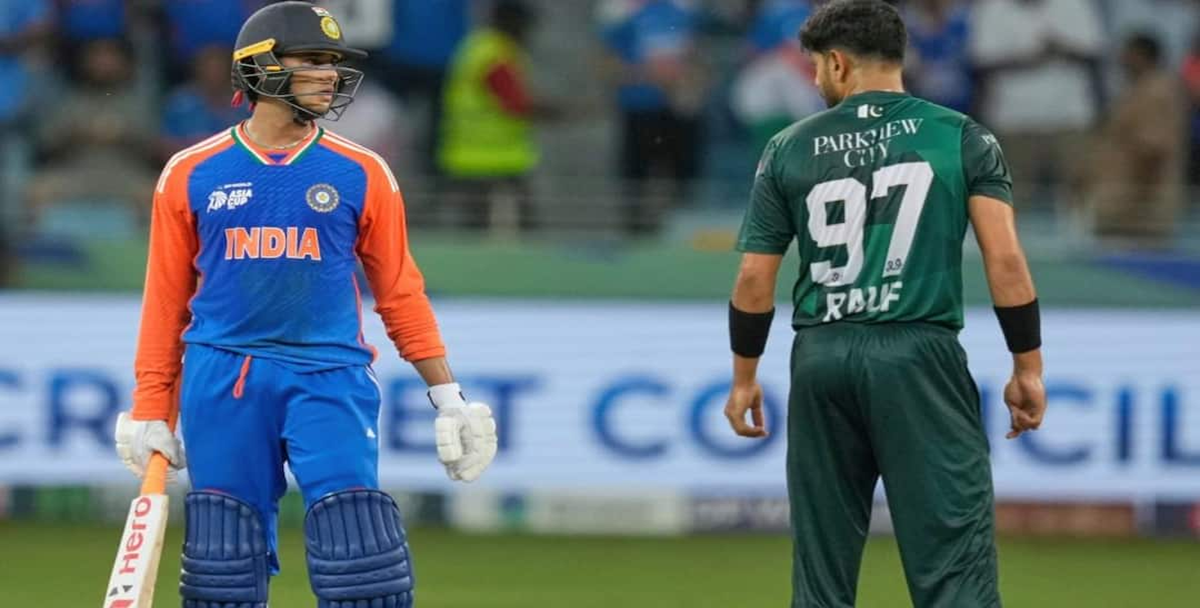
Captain Ishan Kishan delivered the defining innings of the final, scoring 270 runs. His aggressive knock featured 30 fours and seven sixes, placing South Zone under sustained pressure.
The innings was particularly important because of the match situation. In a final where the first-innings advantage could determine the champion, every additional run increased the burden on South Zone and strengthened East Zone’s position.
Kumar Kushagra provided valuable support with a century. Earlier, Vaibhav Suryavanshi scored 44 and Abhimanyu Easwaran contributed 72 as the opening pair gave East Zone a solid start through a hundred-run partnership.
The top-order contributions allowed East Zone to maintain control and build a total that South Zone would need several long partnerships to surpass.
South Zone Loses Early Wickets in Its Reply
South Zone’s attempt to chase down East Zone’s 708-run first-innings total did not begin smoothly. The side lost two wickets before reaching 70, increasing the pressure on the remaining batters.
The challenge for South Zone is not merely to avoid defeat. It must also keep the first-innings rule in mind. Even if the team successfully bats for a long period and helps take the match towards a draw, finishing behind East Zone’s total would still cost it the title.
That creates an unusual tactical situation. South Zone needs to combine survival with positive scoring, while East Zone’s bowlers can focus first on preventing the opposition from reaching 709.
What Are the Possible Results?
The title race can be understood through three broad scenarios:
- If East Zone wins the match outright, it will become the Duleep Trophy champion.
- If South Zone records an outright victory, it will claim the title.
- If the match is drawn, the team with the first-innings lead will be declared the winner.
East Zone will therefore secure the championship in a drawn match if it dismisses South Zone for 707 or less. South Zone, meanwhile, must score 709 or more to establish a first-innings lead and gain control of the draw scenario.
Kishan Credits a Simpler Approach for His Form
After the second day’s play, Kishan reflected on his recent batting form and suggested that removing external pressure had helped him focus on his primary responsibility—scoring runs.
His 270 in the final demonstrated that approach. More importantly, the innings gave East Zone a tactical advantage that could decide the tournament even if the match does not produce an outright winner.
The decision not to declare may initially have appeared overly cautious, but the Duleep Trophy’s first-innings rule makes the logic clear. By reaching 708, East Zone has forced South Zone to produce an exceptional batting response merely to gain the advantage in a possible draw.