ASTROLOGY
Camphor Vastu Tips: Simple Kapoor Remedies Believed to Bring Good Luck, Peace and Positive Energy at Home
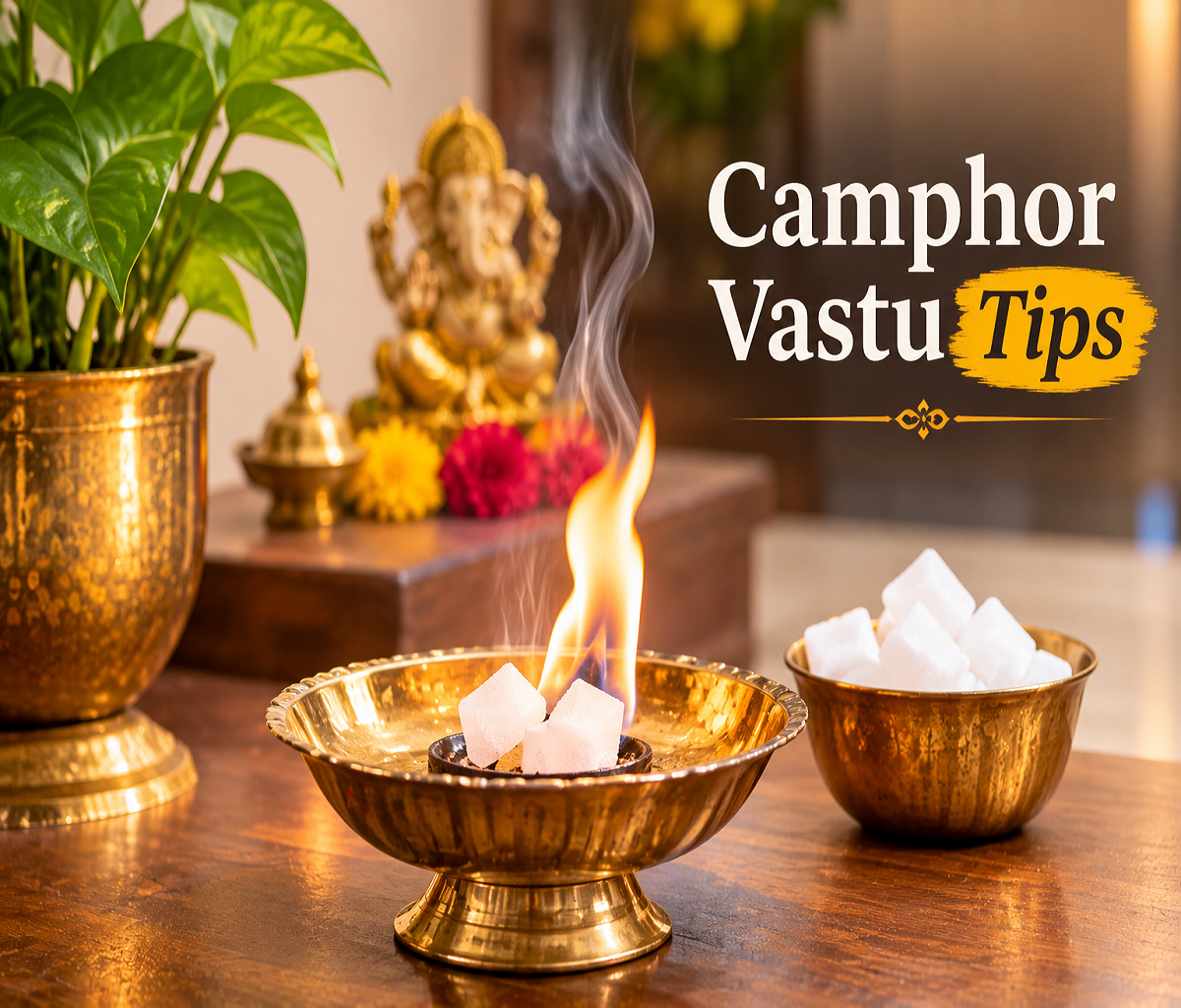
Kapoor Ke Upay: Camphor, commonly known as Kapoor in Hindi, holds an important place in Hindu religious practices and traditional Vastu Shastra. It is frequently used during puja, aarti and other spiritual ceremonies. According to traditional beliefs, burning camphor is associated with purification, positive energy and a peaceful household environment.
Many people turn to traditional Vastu remedies when they experience repeated difficulties, financial worries, family disagreements or delays in important work. Among the commonly discussed practices are simple remedies involving camphor, which is inexpensive and easily available in local markets.
According to a report published by Aaj Tak on November 15, 2026, several camphor-related practices are believed to help reduce negativity and promote harmony. However, these remedies are rooted in religious and astrological traditions, and their claimed effects on luck, wealth or planetary influences have not been scientifically established.
Why Is Camphor Considered Important in Vastu Shastra?
Camphor has been used in Hindu worship for generations. During aarti, devotees burn camphor as an offering to the deity. Its flame symbolises devotion, spiritual purification and the removal of ignorance.
In Vastu Shastra, camphor is traditionally associated with maintaining a positive atmosphere inside the home. Some practitioners believe that placing or burning camphor in certain areas can help reduce negative influences.
The distinctive fragrance of camphor is also associated with religious ceremonies and spiritual surroundings.
Although these practices have cultural significance, camphor should not be considered a guaranteed solution to financial, personal or health-related difficulties.
Camphor Remedy for Removing Negative Energy From Home
According to traditional Vastu beliefs, burning camphor during morning or evening prayers is considered a way to create a spiritually uplifting atmosphere.
Some devotees light a small piece of camphor during their daily puja and offer prayers for the well-being of family members.
The practice is believed to encourage peace and positivity within the household.
People following this tradition generally perform the ritual in their designated worship area rather than burning camphor throughout the house.
Safety note: Camphor is highly flammable, and its fumes can irritate the respiratory system. Avoid burning it in enclosed or poorly ventilated spaces, and never leave a flame unattended.
Kapoor Remedy for Financial Stability and Prosperity
Financial uncertainty can create considerable stress for families. In traditional Vastu practices, camphor is sometimes associated with prayers for prosperity and financial stability.
One commonly followed practice involves placing a small piece of camphor in a clean container near the household worship area while praying to Goddess Lakshmi.
Some devotees perform Lakshmi Puja on Fridays and include camphor during the aarti.
According to religious belief, these practices symbolise the removal of obstacles and the welcoming of prosperity.
However, there is no scientific evidence that camphor can increase income, attract money or improve financial outcomes. Financial stability depends on practical factors such as earnings, budgeting, savings and responsible planning.
Camphor and Cloves: A Traditional Remedy for Good Fortune
Another popular traditional practice involves using camphor and cloves together during worship.
In some households, devotees place two cloves near a small piece of camphor and offer them during aarti while praying for success and protection from difficulties.
This combination is associated with certain folk and astrological traditions.
People who follow the ritual believe it symbolises the removal of obstacles and the beginning of favourable circumstances.
The practice is best understood as a religious custom rather than a proven method of changing future events.
Kapoor Remedies for Rahu and Ketu Dosh
Rahu and Ketu are important concepts in Vedic astrology. They are described as shadow planets and are associated with different influences in an individual's horoscope.
According to astrological beliefs, unfavourable placements of Rahu or Ketu may be linked with confusion, delays, uncertainty or unexpected challenges.
Some traditional practitioners recommend using camphor during prayers as a symbolic remedy for such planetary influences.
Devotees may perform aarti, chant religious mantras or offer prayers according to their family traditions.
It is important to understand that astrology-based planetary doshas and the effects of these remedies are matters of belief. There is no scientific evidence that burning or placing camphor can alter planetary positions or determine life outcomes.
Camphor Remedy for Peace and Harmony in the Family
A peaceful home environment is important for emotional well-being and healthy family relationships.
In Vastu traditions, camphor is sometimes used during evening prayers as a symbol of harmony and purification.
Some families include camphor aarti in their daily worship routine and pray for improved understanding among household members.
The ritual may provide a familiar moment of reflection for those who find comfort in religious practices.
However, resolving family disagreements also requires communication, patience and mutual respect. Traditional remedies should not replace practical efforts to address relationship problems.
Where Should Camphor Be Kept According to Vastu?
Traditional Vastu recommendations often emphasise cleanliness and proper maintenance of the household worship area.
People who use camphor for religious purposes generally store it in a closed container in a clean, dry location.
Some Vastu practitioners associate particular household directions with positive energy, although these recommendations vary between traditions.
Camphor should always be stored away from children, pets, heat sources and open flames. It must not be mistaken for an edible substance, as swallowing camphor can cause serious poisoning.
Important Precautions While Using Camphor at Home
While camphor has religious importance, careless use can create safety risks.
- Use only a small quantity when performing traditional aarti.
- Keep burning camphor away from curtains, paper and other flammable materials.
- Avoid inhaling concentrated camphor fumes.
- Do not apply camphor directly to the skin without appropriate product guidance.
- Never consume camphor or add it to food unless it is specifically food-grade and intended for culinary use.
- Store camphor securely away from children and pets.
People with asthma or other respiratory sensitivities should be particularly cautious about exposure to camphor smoke.
Can Camphor Really Change Your Luck?
Camphor has a long-standing place in Indian religious traditions, and many households consider it an important part of daily worship.
According to Vastu and astrological beliefs, camphor-related rituals are associated with positivity, prosperity, protection and the removal of obstacles.
However, these claimed benefits have not been scientifically demonstrated. The spiritual value of such practices depends on individual faith and cultural traditions.
In conclusion, inexpensive camphor remains a familiar part of Hindu worship and Vastu-related customs. Whether used during aarti or as part of traditional prayers, its importance is primarily religious and symbolic. Those who follow these practices should do so safely while relying on practical actions to address financial difficulties, family concerns and other everyday challenges.