ASTROLOGY
Garuda Purana: How Does Yamraj Judge Good and Bad Karma After Death? Hindu Beliefs Explained
Garuda Purana Teachings: What happens to the soul after death? How are a person's good and bad deeds evaluated? Who decides whether a soul experiences heaven, hell or liberation? These questions have fascinated people for centuries, and Hindu religious literature offers several spiritual explanations.
Among the important texts discussing death, karma and the afterlife is the Garuda Purana, one of the eighteen Mahapuranas in Hindu tradition.
Presented largely through teachings associated with Lord Vishnu and Garuda, the divine bird who serves as Vishnu's vehicle, the scripture explores the consequences of human actions, the journey of the soul and the significance of righteous living.
According to traditional interpretations, every individual is accountable for the actions performed during their lifetime. Good deeds are associated with spiritual merit, while harmful actions are believed to bring consequences.
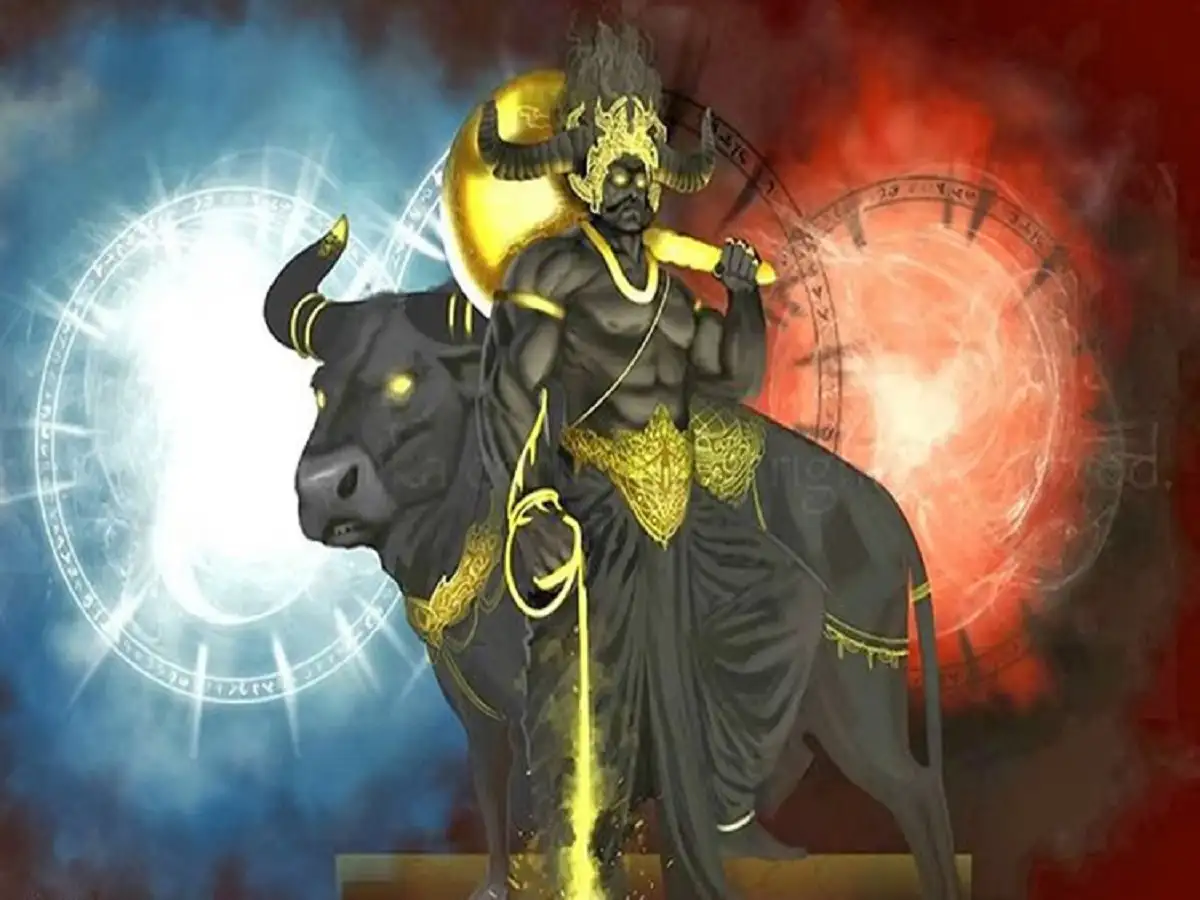
Yamraj, also known as Dharmaraj, and Chitragupta play important roles in popular Hindu accounts of this process.
Here is what the Garuda Purana and related Hindu traditions say about the soul's journey and the evaluation of karma after death.
1. What Happens to the Soul After Death According to the Garuda Purana?
According to Hindu religious beliefs, death marks the end of the physical body's life but does not necessarily represent the end of the soul's existence.
The soul, commonly referred to as the Atman, is understood in many Hindu philosophical traditions as distinct from the physical body.
Accounts associated with the Garuda Purana describe a journey that follows death, during which the soul experiences consequences connected with its previous actions.
In these descriptions, Yamdoots, the messengers of Yamraj, are responsible for guiding or escorting souls towards Yamlok, the realm associated with the deity of death and justice.
The nature of this journey is described differently depending on the person's karma.
Some passages portray difficult experiences for those who have committed harmful actions, while religious traditions associate virtuous living with more favourable spiritual consequences.
These descriptions form part of Hindu theological teachings about accountability, mortality and the importance of ethical behaviour.
2. Who Is Chitragupta and How Does He Maintain the Record of Karma?
Chitragupta occupies an important position in Hindu religious traditions as the divine record-keeper associated with Yamraj.
He is traditionally believed to maintain an account of the actions performed by human beings throughout their lives.
In popular interpretations of the Garuda Purana and related traditions, this accounting extends beyond visible actions to the moral significance of a person's conduct.
Physical Actions: Acts of kindness, violence, service, cruelty or other behaviour towards living beings are considered important in evaluating karma.
Speech and Communication: Speaking truthfully, keeping promises and treating others respectfully are regarded as virtuous conduct. Dishonesty, deception and harmful speech are traditionally viewed negatively.
Thoughts and Intentions: Hindu ethical teachings also attach significance to intentions, including compassion, jealousy, hatred and the desire to harm others.
Charitable Activities: Helping disadvantaged people, donating essential supplies and serving others without selfish expectations are associated with spiritual merit.
Some traditional accounts also describe divine witnesses known as Shravan Kumaras or Shravanas, who observe human actions.
Chitragupta is believed to present the accumulated record of a person's conduct before Yamraj for judgment.
The central religious message is that human behaviour carries moral responsibility, even when actions remain hidden from other people.
3. How Does Yamraj Decide the Fate of a Soul in Yamlok?
Yamraj is widely recognised in Hindu traditions as the deity associated with death, justice and the consequences of karma.
He is also called Dharmaraj, a title connecting him with righteousness and moral order.
According to religious narratives, when a soul reaches Yamlok, its actions are evaluated according to the principles of karma and dharma.
Chitragupta is traditionally depicted as presenting the account of the individual's good and bad deeds.
Yamraj then determines the appropriate consequences in accordance with divine justice.
These accounts emphasise that wealth, social position and worldly influence do not exempt individuals from moral responsibility.
The teachings suggest that the consequences of one's actions are ultimately more important than temporary material achievements.
However, Hindu traditions contain diverse philosophical interpretations of karma, rebirth and the afterlife, and these narratives should not be understood as scientifically verified descriptions.
4. What Punishments Are Described for Sinful Actions?
The Garuda Purana contains vivid descriptions of suffering associated with harmful conduct.
Traditional accounts describe difficult journeys involving darkness, frightening landscapes, dangerous paths and other forms of distress.
These narratives are associated with the consequences of actions considered morally wrong.
Examples of condemned behaviour include dishonesty, exploitation, cruelty, unnecessary violence, betrayal and deliberately causing suffering to innocent people.
The scripture's descriptions of punishment are often interpreted as warnings against unethical behaviour.
Rather than focusing only on frightening imagery, many religious teachers emphasise the broader moral lessons contained in these accounts.
The underlying message encourages people to avoid harming others and to recognise that actions can have lasting consequences.
Descriptions of heavenly and hellish experiences also vary across Hindu scriptures and theological traditions.
5. Which Good Deeds Are Believed to Bring Spiritual Merit?
The Garuda Purana and broader Hindu religious traditions place considerable importance on punya, or spiritual merit gained through righteous conduct.
Good deeds are traditionally associated with favourable karmic consequences and spiritual progress.
Among the commonly emphasised virtuous actions are:
- Feeding hungry people: Providing food to individuals who cannot meet their basic needs.
- Offering drinking water: Helping travellers, vulnerable people and others experiencing thirst.
- Supporting disadvantaged families: Donating clothing, food and other essential supplies.
- Speaking truthfully: Maintaining honesty in personal and professional relationships.
- Practising compassion: Treating people and animals with kindness.
- Respecting parents and teachers: Recognising the contributions of elders and those who provide guidance.
- Performing selfless service: Helping others without expecting money, recognition or personal rewards.
These practices are associated with the Hindu concept of dharma, which includes ethical responsibility and righteous conduct.
Religious teachings frequently emphasise that the intention behind an action matters alongside the action itself.
6. What Is the Difference Between Heaven, Hell and Moksha?
Hindu religious literature discusses several possible spiritual states associated with karma.
Swarga (Heaven): Traditionally described as a realm where souls may experience the favourable results of virtuous actions.
Naraka (Hell): Described in various Hindu texts as a realm associated with experiencing the consequences of harmful deeds.
Moksha (Liberation): Considered the ultimate spiritual goal in many Hindu philosophical traditions, representing freedom from the cycle of birth, death and rebirth.
An important distinction is that heaven and hell are not necessarily described as permanent destinations in all Hindu traditions.
Many philosophical interpretations regard them as temporary states connected with accumulated karma, while moksha represents liberation from the cycle of samsara.
Different Hindu schools explain the relationship between karma, devotion, spiritual knowledge and liberation in different ways.
7. What Does the Garuda Purana Teach About Karma?
One of the central ideas associated with the Garuda Purana is that actions have consequences.
The concept of karma encourages individuals to consider the moral implications of their decisions.
It also highlights personal responsibility, compassion and self-discipline.
From this perspective, spiritual development is not limited to religious ceremonies or rituals.
Everyday behaviour, including honesty in business, fairness towards others and kindness towards vulnerable individuals, is also important.
The teachings encourage people to examine their conduct while they are alive rather than focusing exclusively on what may happen after death.
This emphasis on ethical living remains one of the reasons the Garuda Purana continues to hold cultural and religious significance.
8. Why Is the Garuda Purana Associated With Death Rituals?
In many Hindu communities, passages from the Garuda Purana are traditionally read or discussed during periods of mourning.
The text addresses mortality, the soul's journey, karma and spiritual liberation, making it relevant to religious reflection following a death.
However, practices differ across regions, families and religious communities.
Some households observe specific reading traditions during mourning, while others study the scripture as part of broader spiritual learning.
The Garuda Purana is not exclusively a text about death. Its wider contents also include religious duties, ethical teachings and other subjects.
Its association with funeral customs should therefore be understood as one aspect of its broader religious importance.
Conclusion: The Importance of Good Karma in Human Life
According to traditional accounts associated with the Garuda Purana, Yamraj evaluates the moral consequences of a person's actions, while Chitragupta maintains the divine record of their conduct.
The scripture's teachings connect good deeds with spiritual merit and harmful behaviour with unfavourable karmic consequences.
Descriptions of the soul's journey, Yamlok, heaven and hell reinforce the importance of ethical responsibility.
Beyond the question of what happens after death, the broader spiritual message encourages people to live with honesty, compassion, humility and respect for others.
For devotees, the ultimate goal is not simply to avoid punishment but to follow the path of dharma and progress towards moksha.
Religious Disclaimer: The descriptions of Yamraj, Chitragupta, karma and the afterlife reflect Hindu religious beliefs and scriptural traditions. They are presented for cultural and spiritual understanding, not as scientifically established facts.