Assam Elections
Amit Shah Says Southern States Will Gain More Lok Sabha Seats Amid Delimitation Debate
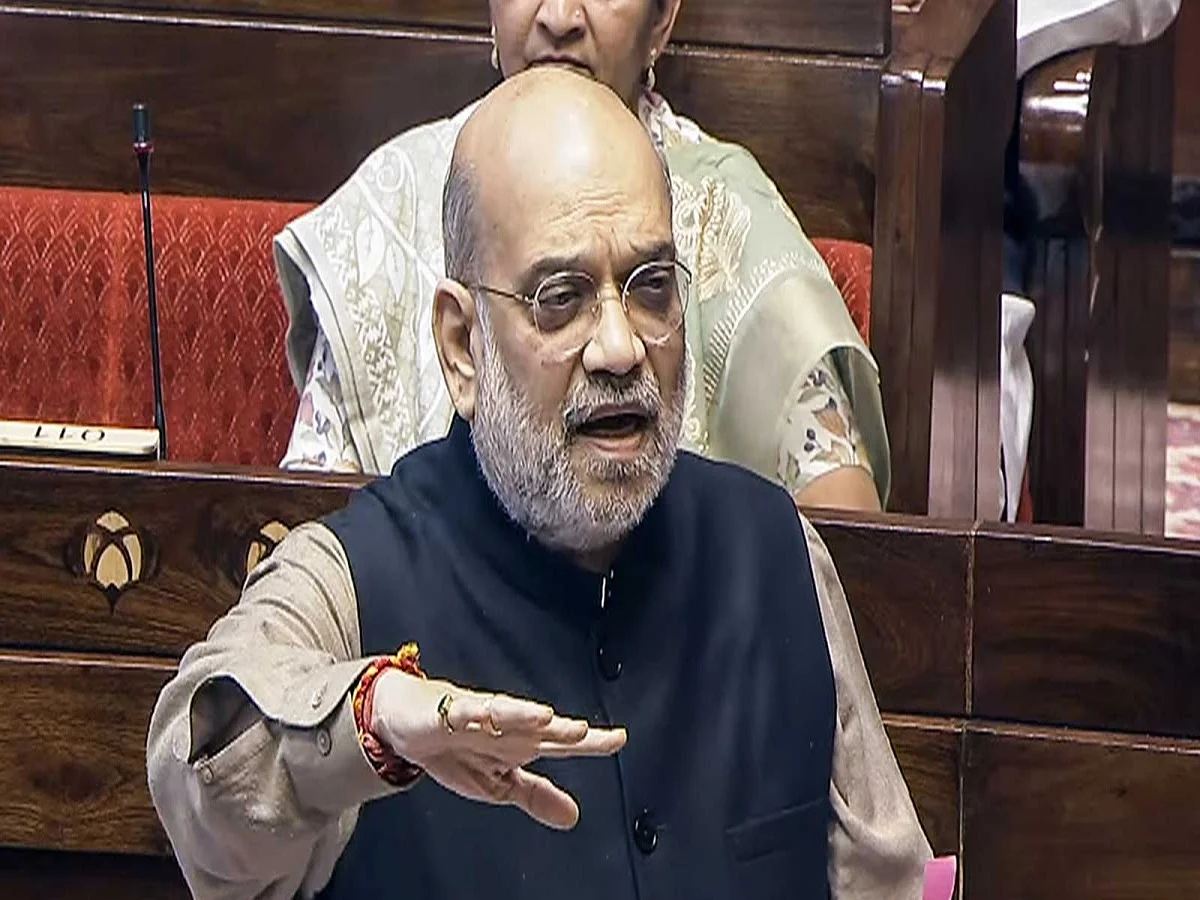
Amit Shah Addresses Concerns Over Delimitation in Parliament
During a special session of Parliament, Union Home Minister Amit Shah made a strong statement addressing concerns surrounding the upcoming delimitation process and the Women’s Reservation Bill. Speaking in the Lok Sabha, Shah assured members that no state—especially those in South India—would face any political disadvantage due to the proposed changes.
His remarks came in response to opposition parties raising concerns about the potential impact of population-based seat redistribution on regional representation.
No Reduction in Southern Representation
One of the key highlights of Shah’s address was his assurance that southern states would not lose representation in Parliament. On the contrary, he emphasized that the number of Lok Sabha seats in these states is expected to increase significantly.
This clarification aims to counter fears that delimitation based on population data could tilt political power toward northern states.
Expected Increase in Seats Across Southern States
The Home Minister shared projections indicating a substantial rise in parliamentary seats across southern states:
- Telangana: From 17 to 26 seats
- Karnataka: From 28 to 42 seats
- Tamil Nadu: From 39 to 59 seats
- Andhra Pradesh: From 25 to 38 seats
- Kerala: Likely to gain around 10 additional seats
These increases suggest that representation in the South will expand in absolute terms, even if proportional shares remain relatively stable.
‘No State Will Suffer’: Government’s Stand
Reiterating the government’s position, Amit Shah stated that no state would lose seats under the new system. Whether it is Karnataka, Andhra Pradesh, or Telangana, every region is expected to benefit from the overall expansion of parliamentary seats.
He stressed that the delimitation exercise is designed to be inclusive and balanced, ensuring fair representation across the country.
Opposition Raises Concerns
Opposition parties, however, have expressed apprehensions regarding the proposed changes. Their primary concern is that delimitation based on the 2011 Census could lead to:
- Increased dominance of northern states due to higher population growth
- A relative decline in the influence of southern states that have successfully controlled population growth
These concerns have sparked intense debate in Parliament.
Seat Share Likely to Remain Stable
Addressing these fears, Shah explained that while the total number of seats will increase, the proportional share of southern states is expected to remain largely unchanged.
For instance:
- Karnataka’s share may stay around 5% despite an increase in seats
- Tamil Nadu’s share could see a marginal rise from approximately 7.18% to 7.23%
He also cited Maharashtra as an example, which is expected to gain nearly 24 additional seats—highlighting that the expansion is nationwide and not region-specific.
Bills Presented in Parliament
During the session, several key legislative proposals were discussed, including:
- The Women’s Reservation Bill (Constitutional Amendment)
- Amendments related to Union Territories laws
- Proposals linked to the delimitation process
These reforms are seen as part of a broader effort to restructure representation and implement reservation policies effectively.
Future Roadmap for Delimitation
The government has indicated that the upcoming delimitation exercise will be based on data from the 2011 Census. If implemented, the total number of Lok Sabha seats could increase to around 850.
One of the primary objectives behind this expansion is to accommodate the reservation of seats for women, ensuring broader representation in the legislative process.
Final Takeaway
The delimitation debate remains a politically sensitive issue, but Amit Shah has made it clear that the government intends to ensure equitable growth in representation across all regions.
While opposition concerns persist, the proposed increase in seats—particularly in southern states—signals a move toward expansion rather than redistribution at the cost of any region.