LIFESTYLE
Hair Dye Safety: Can dyeing gray hair damage the liver? The big truth about hair dye has been revealed.
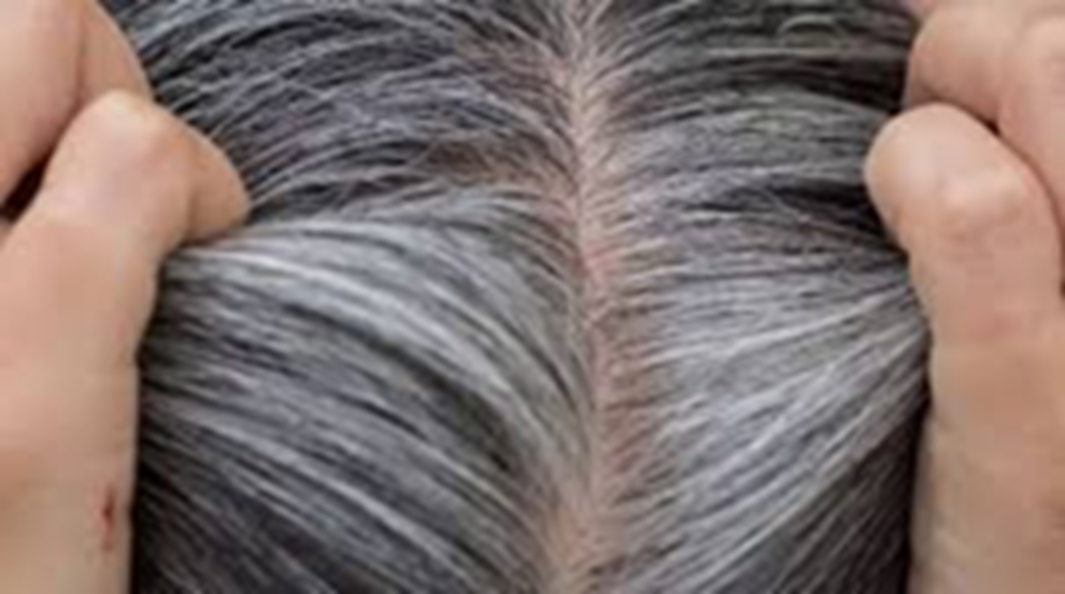
Hair Dye Allergy Symptoms: There is no concrete clinical evidence that routine use of cosmetic hair dyes can cause serious liver disease in the general population. Let us explain.
Does hair dye damage the liver?
Can Hair Dye Cause Liver Damage? When you sit in the salon chair and watch your hair colour change, the question that inevitably comes to mind is: are these chemicals really harmful? The strong smell and various rumours lead many people to believe that hair dye can even damage the liver. But the reality is a little different. Let's find out what experts have to say about this.
What do experts say?
Dr. Chetan Kalal, hepatologist and liver transplant physician at Saifee Hospital, told TOI that there's no concrete clinical evidence that routine use of cosmetic hair dyes can cause serious liver disease in the general population. The reason for this is simple: most commercially available dyes are regulated, and their absorption through the scalp is minimal. This means these chemicals don't reach the bloodstream in sufficient quantities to cause liver damage.
What doesn't cause harm?
However, this doesn't mean the risk is completely zero. Liver damage has been reported in some cases, especially when dyes contain chemicals like para-phenylene diamine. However, these cases are extremely rare and idiosyncratic, meaning they vary from person to person, without a set pattern. They are not dose-dependent, but rather based on the body's individual response.
Dr. Harshil S. Shah explains that ingredients like PPD and ammonia can be harmful when they enter the body in large quantities, such as through a wound on the scalp or if the fumes are inhaled during application. This typically causes skin allergies, which are uncomfortable but not dangerous. Cases where a link has been found between hair dyes and hepatitis have involved long-term or repeated use, along with pre-existing health conditions.
When does the problem occur?
The real concern arises when multiple risks are combined, such as smoking. Smoking itself is a significant risk to the liver. It increases oxidative stress, inflammation, and fibrosis, which increases the risk of liver disease, especially if there is a history of fatty liver or alcoholism. When the body is exposed to chemicals, the overall toxic effects can increase. However, Dr. Kalal clearly emphasizes that quitting smoking is more important for liver health than quitting hair dye.
What is the solution to this?
So what should be done? The best approach is to use with caution. Always choose a dye from a trusted and regulated brand. Labeling it ammonia-free or herbal doesn't necessarily mean it's completely safe. Even these contain various chemicals. Always perform a patch test before each use to rule out any allergic reactions. Never apply dye to a broken or inflamed scalp.