India has no shortage of famous holiday destinations, but popular places often come with crowded viewpoints, busy markets, traffic jams and long queues. For travellers looking for a quieter experience, there is another side of India waiting beyond the usual tourist circuit.
From Rajasthan's historic towns and Gujarat's ancient archaeological landscapes to the remote valleys of Ladakh and Arunachal Pradesh, several destinations offer a combination of mountains, rivers, forests, heritage and local culture without the atmosphere of heavily commercialised tourist centres.
If your idea of a holiday involves peaceful mornings, scenic roads and enough time to experience local life rather than rushing from one attraction to another, these lesser-explored destinations could be worth considering.
1. Hadoti Region, Rajasthan: Discover Bundi Beyond the Usual Rajasthan Circuit
Jaipur, Udaipur and Jaisalmer usually dominate Rajasthan travel itineraries, but the Hadoti region offers a different experience.
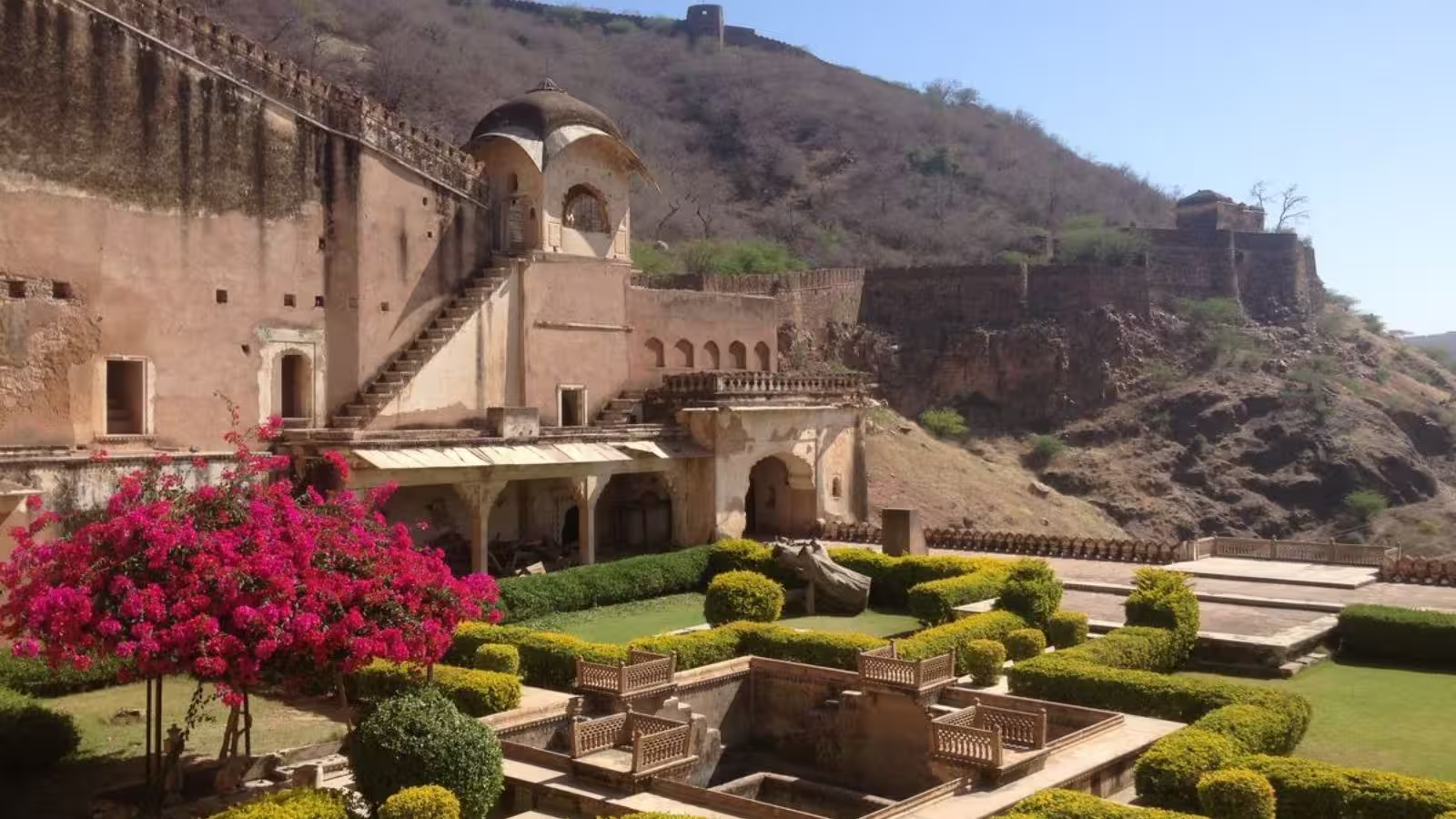
Spread across areas including Bundi, Kota, Jhalawar and Baran, Hadoti combines architectural heritage with natural landscapes and traditional Rajasthani culture.
Bundi is particularly interesting for travellers who enjoy historic architecture. Its old palaces, forts, stepwells and traditional paintings provide glimpses into Rajasthan's past.
Unlike destinations built primarily around modern tourist infrastructure, exploring Bundi and its surroundings can offer visitors more opportunities to experience local neighbourhoods, heritage structures and the slower rhythm of smaller-town Rajasthan.
For travellers interested in architecture, photography, history and regional culture, Hadoti can be an interesting alternative to Rajasthan's most crowded routes.
2. Dholavira, Gujarat: Step Into the World of an Ancient Civilization
For history and archaeology enthusiasts, Dholavira in Gujarat's Kutch region offers a completely different kind of journey.
The site is associated with the Indus Valley Civilization and contains remains of an ancient settlement dating back thousands of years.
Visitors can observe the layout of the historic city, structural remains and sophisticated systems that were developed for collecting and managing water.
The surrounding landscape adds to the experience. Dholavira lies amid the vast, dry environment of Kutch, creating a striking contrast between archaeological remains and open terrain.
Instead of a conventional sightseeing holiday, a visit here provides an opportunity to explore India's ancient urban history while experiencing one of Gujarat's distinctive landscapes.
3. Dras, Kargil, Aryan Valley and Suru Valley: See a Different Side of Ladakh
For many tourists, Ladakh means Leh and a handful of famous lakes and mountain passes. However, the wider region includes several valleys and settlements that offer a very different travel experience.
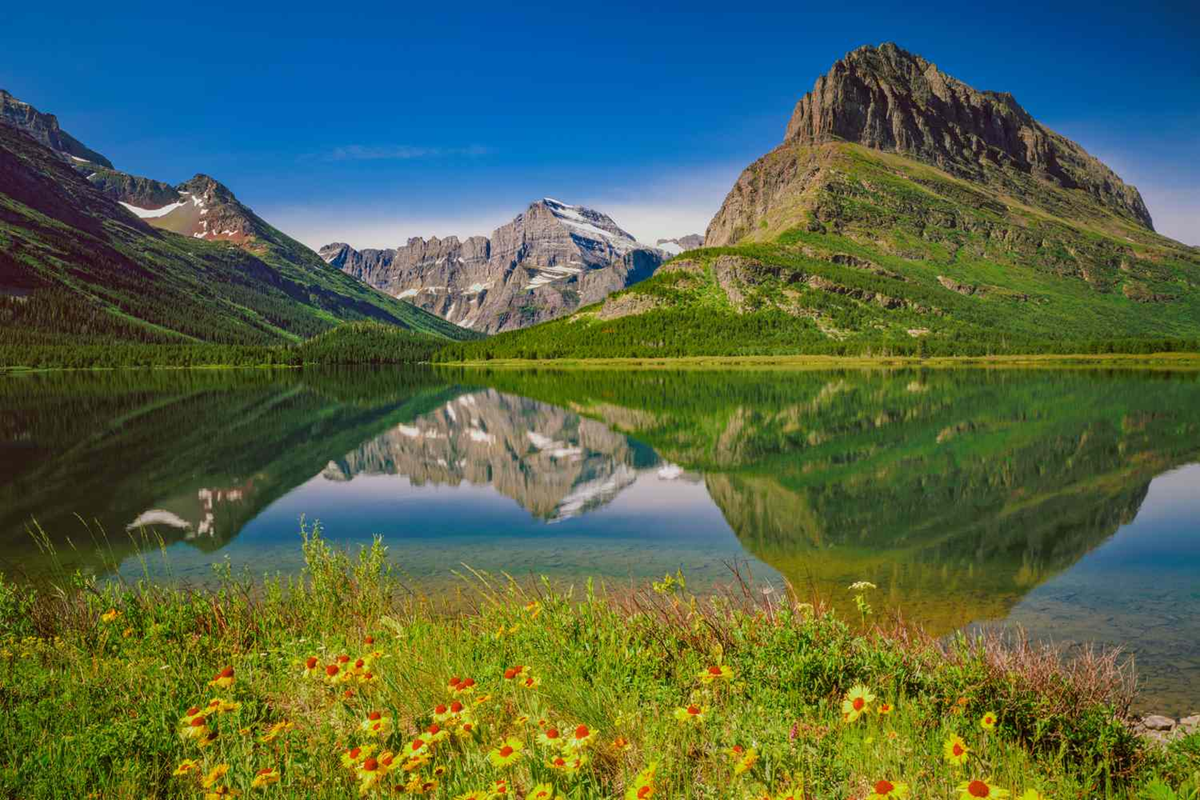
Dras, Kargil, Aryan Valley and Suru Valley combine towering mountains, quiet villages, rivers and expansive landscapes.
Suru Valley is particularly known for its combination of green meadows, mountain scenery and flowing rivers. Kargil, meanwhile, brings together dramatic natural surroundings and an important historical connection.
Travelling through these areas can appeal to people who want to experience Ladakh beyond its most familiar tourist attractions.
The journey itself can become part of the holiday, with changing landscapes, remote settlements and mountain roads offering a slower and more immersive experience.
4. Zanskar: Remote Valleys, Monasteries and Mountain Adventures
Another remarkable destination in the Himalayan region is Zanskar.
Surrounded by high mountains and deep valleys, the region is dotted with small villages and Buddhist monasteries. Its remoteness has helped it retain a character quite different from more commercial hill destinations.
Zanskar can particularly appeal to adventure travellers. Road trips and trekking provide opportunities to experience the dramatic landscape as well as everyday life in remote mountain communities.
The region also changes dramatically with the seasons. Winter transforms parts of the landscape with frozen waterways and snow-covered mountains, while summer opens valleys and routes that provide a very different visual experience.
Because mountain weather and road conditions can change quickly, travellers should check current accessibility before planning a trip.
5. Buddhist Circuit: Explore India's Ancient Spiritual Heritage
Travellers looking for history, spirituality and cultural exploration can consider destinations associated with India's Buddhist Circuit.
The circuit includes several places connected with the life of Buddha and the development of Buddhism.
Historic stupas, monasteries, temples and archaeological remains offer visitors an opportunity to understand a significant chapter of India's religious and cultural history.
This kind of journey is quite different from a typical leisure holiday. Instead of focusing primarily on scenic viewpoints or entertainment, the experience revolves around heritage, architecture, history and spirituality.
For travellers interested in ancient Indian history, the Buddhist Circuit can offer a slower and more meaningful travel experience.
6. Chambal and Northern Madhya Pradesh: Look Beyond the Famous Ravines
The name Chambal is often associated with its dramatic ravines, but the region has much more to offer.
The Chambal River, wildlife and distinctive terrain create an unusual natural environment. Deep erosion patterns and wide-open landscapes give the region a visual identity unlike many mainstream tourist destinations.
Travelling through northern Madhya Pradesh can also introduce visitors to old forts, temples, rural communities and local traditions.
For travellers interested in nature and heritage rather than crowded tourist attractions, the Chambal region can provide an unconventional travel experience.
It is particularly suited to people who enjoy landscapes, wildlife, historical architecture and exploring areas that are less frequently included in standard holiday packages.
7. Dong, Walong, Kibithu, Kaho and Anini: Explore Remote Arunachal Pradesh
For travellers seeking some of India's most remote mountain experiences, Arunachal Pradesh offers several fascinating destinations.
Dong, Walong, Kibithu and Kaho are surrounded by mountains, forests and rivers, while local communities provide an opportunity to experience the cultural diversity of India's Northeast.
Dong is highlighted for its scenic valley and sunrise views, while Walong also has historical significance connected with the 1962 war.
Kibithu and Kaho provide a closer look at life and culture in remote mountain settlements. The journey through these areas can be as memorable as the destinations themselves because of the dramatic terrain and relative isolation.
Another destination worth exploring in Arunachal Pradesh is Anini, located in the Dibang Valley.
Surrounded by mountains, green valleys and rivers, Anini sits in a plateau-like landscape between the Dri and Mathun rivers. Travellers can also encounter the culture of the Idu Mishmi community in this region.
Why Choose an Offbeat Destination?
Travelling to a lesser-known destination is not simply about finding a place that looks good in photographs.
Such journeys can provide more time to understand local culture, explore landscapes at a slower pace and discover historical places that often receive less attention than India's major attractions.
They can also offer a welcome alternative for travellers who have already visited popular hill stations, beaches and heritage cities.
However, remote destinations can have limited transport, accommodation, mobile connectivity and medical facilities. Travellers should research these practical aspects before leaving.
Plan Carefully Before Visiting Remote Areas
Some of the destinations on this list are located in mountainous, border or geographically isolated regions. Weather conditions and road accessibility can therefore affect travel plans.
Before travelling, check current road conditions, local entry or permit requirements where applicable, weather forecasts and accommodation availability. Carrying essential medicines, identification documents and adequate cash can also be useful when visiting remote locations.
Travellers should respect local communities, religious sites and environmentally sensitive areas. Avoiding litter, following local regulations and supporting locally run accommodation or businesses can make the trip more responsible.
A Different Way to Discover India
India's best-known destinations deserve their popularity, but they represent only a fraction of what the country offers.
Bundi and the wider Hadoti region combine history with local culture, Dholavira offers a journey into an ancient civilization, Zanskar and Suru Valley showcase the Himalayan landscape, while Chambal reveals a side of central India that goes far beyond its famous ravines.
In the Northeast, destinations such as Dong, Walong, Kibithu, Kaho and Anini offer an opportunity to experience remote mountain landscapes and regional cultures.
For your next holiday, moving beyond the standard tourist map could lead to a quieter, slower and far more distinctive journey.