Business
500 rupee notes dominate, but 200 rupee notes weaken; what does the RBI report actually reveal?
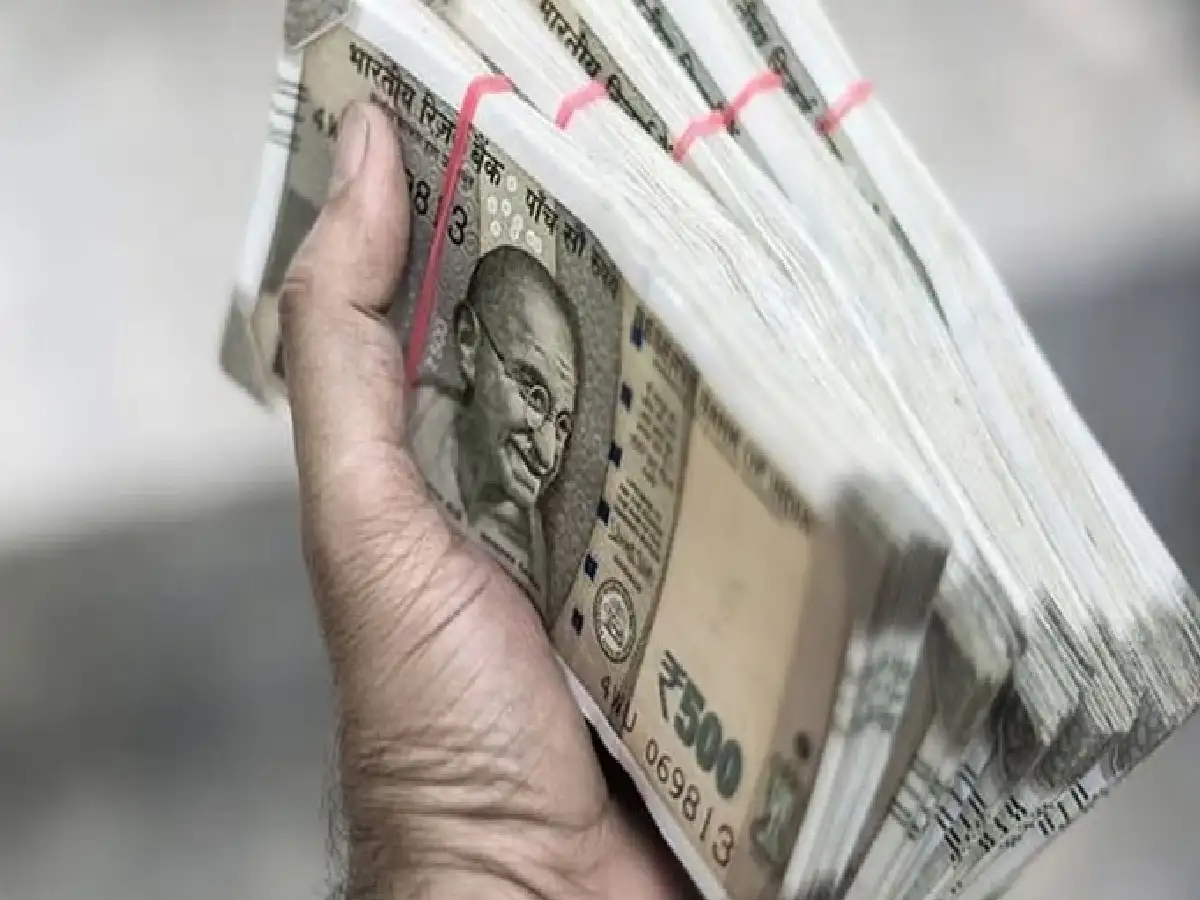
An RBI report shows that the use and demand for 500 rupee notes has increased rapidly in the country. According to the latest data from the Reserve Bank of India (RBI), 500 rupee notes currently account for the largest share of total currency in circulation, at 86%.
However, the market share of 200 and 100 rupee notes is declining. Following the demonetization of the 2000 rupee note, people have increasingly preferred 500 rupee notes for larger transactions and purchases. As bank ATMs now dispense more 500 rupee notes, the 200 rupee note is gradually becoming less common in the market.
RBI had introduced Rs 200 notes to meet the demand of Rs 100 and Rs 500 notes. But now this note is seen the least in the market. According to the latest data of RBI, Rs 200 note has now become the weakest. The share of Rs 200 notes in the total notes in circulation is only 6.13 percent. Whereas Rs 500 note has become the king of the market. According to RBI report, currently 176.55 billion notes are in circulation in the country. According to Live Hindustan report, out of these, Rs 500 notes are 41.25 percent.
The 200 rupee note lags behind with just a 6.13 percent market share. Meanwhile, 100 rupee notes are in large numbers in the market, with a 16.03 percent market share. 10 rupee notes are in circulation with a 15.94 percent market share. The 200 rupee note disappeared as quickly as it arrived. Praveen Mishra, State Vice President of the All India Bank Officers' Confederation, says that the market hasn't given the 200 rupee note the space it deserves. People consider the 100 rupee note more convenient for small transactions, while the 500 rupee note is most commonly used for larger purchases or transactions. Because of this, the 200 rupee note hasn't been able to establish itself in both markets. Digital payments are also limited.
Economic expert Ankur Goyal says that ATMs mostly dispense 100 and 500 rupee notes. Traders say these notes account for the majority of transactions. The 200 rupee note is now in less use. The rapid increase in digital payments has also limited its usefulness.
The 200 rupee note was first issued on August 25, 2017. At that time, the 200 rupee note was introduced to fill the gap between the 100 and 500 rupee notes. Retired SBI official R.C. Shukla says that when the 200 rupee note was introduced, it was expected to be the most useful note for small and medium transactions. However, in just a few years, its presence has weakened. If the availability and use of the 200 rupee note does not increase in ATMs, banks, and the market, its share may decline further in the future.