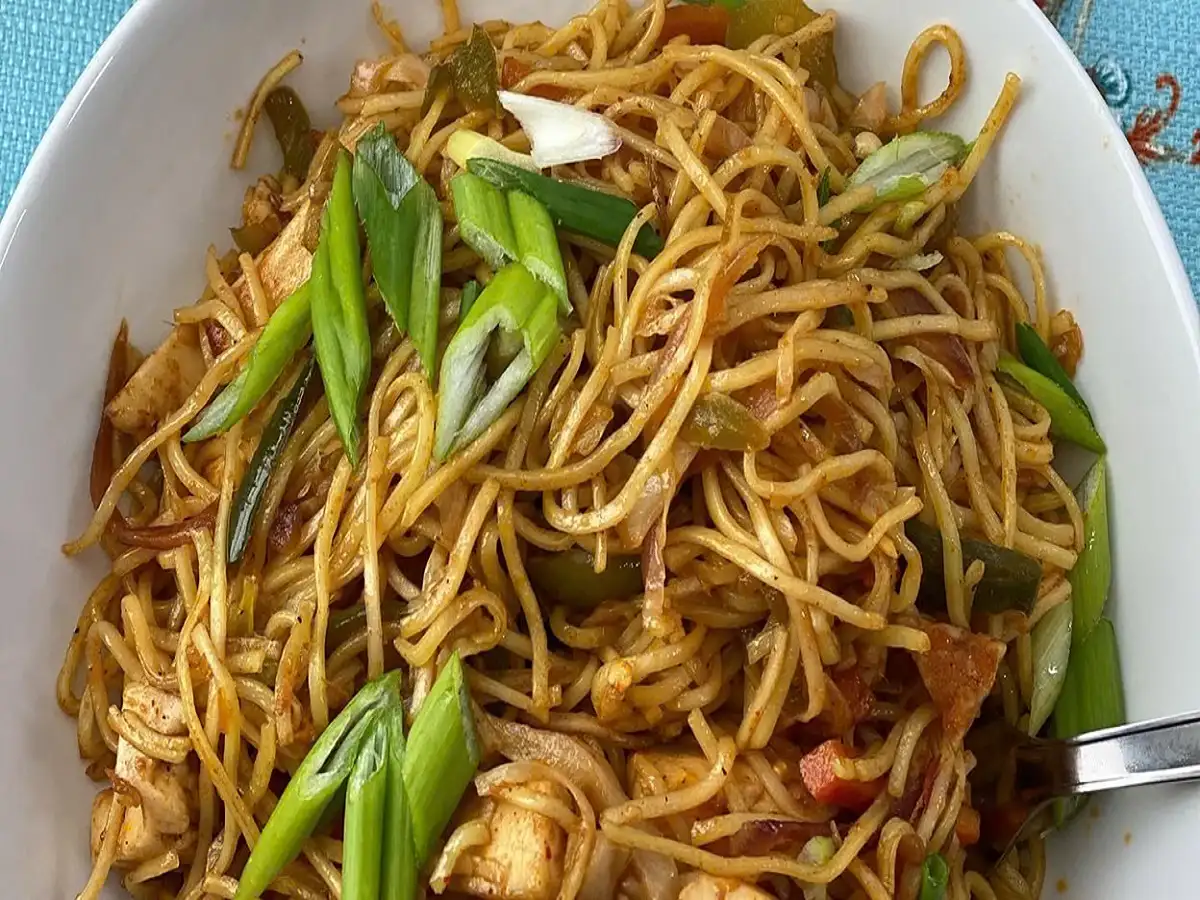
Instant Noodles Health Risks: Instant noodles have become a popular meal choice for people looking for something quick, affordable and easy to prepare. From schoolchildren and college students to working professionals, many people enjoy noodles because of their taste and convenience. However, eating instant noodles too frequently, particularly as a replacement for balanced meals, may affect long-term health.
Many commonly consumed foods, including certain noodles, pasta varieties, macaroni, pizza bases, burger buns and white bread, are made using refined wheat flour, widely known as maida in India.
Refining wheat removes much of its bran and germ, reducing the amount of naturally occurring dietary fibre and certain nutrients. While refined flour is not inherently harmful when consumed occasionally, relying heavily on low-fibre, highly processed foods can make it difficult to maintain a balanced diet.
Packaged instant noodles may also contain substantial amounts of sodium, particularly in their seasoning mixtures.
Here are five potential health concerns associated with regularly consuming instant noodles and other refined-flour products, along with practical ways to make healthier food choices.
1. Low Fibre Intake May Contribute to Digestive Problems
One of the main nutritional differences between refined wheat flour and whole wheat flour is their fibre content.
Whole grains retain the bran, germ and endosperm, whereas refined grains have the bran and germ removed during processing.
As a result, foods prepared primarily with refined flour generally contain less dietary fibre than comparable whole-grain products.
Fibre plays an important role in maintaining healthy bowel movements and supporting digestive function.
A diet that consistently lacks adequate fibre may contribute to constipation and irregular bowel habits.
Some people may also experience digestive discomfort, although bloating and gas can have several causes and are not necessarily caused by noodles themselves.
Replacing fibre-rich foods with refined-flour products may reduce overall dietary quality.
What can help?
Include vegetables, fruits, lentils, beans and whole grains in daily meals. If you enjoy noodles, adding fibre-rich vegetables can make the meal more nutritionally balanced.
2. Frequent Consumption May Contribute to Weight Gain
Instant noodles and other refined-flour foods can fit into a balanced diet, but portion size and overall calorie intake matter.
Some packaged noodles contain considerable calories from refined carbohydrates and added fats.
Depending on the ingredients and preparation method, they may provide relatively little protein or fibre.
Protein and fibre can contribute to feelings of fullness, so meals low in these nutrients may leave some people hungry again sooner.
If someone regularly consumes more calories than their body uses, weight gain can occur over time.
However, eating noodles does not automatically cause weight gain. The overall dietary pattern, portion sizes, physical activity and total energy intake are more important than any single food.
What can help?
Use sensible portions and combine noodles with vegetables and protein sources such as eggs, tofu, beans or chicken.
This can make the meal more satisfying while improving its nutritional value.
3. Refined Carbohydrates Can Affect Blood Sugar Levels
Another concern associated with refined-flour products is their effect on blood glucose.
Carbohydrates are broken down during digestion into sugars that enter the bloodstream.
Foods made from refined grains often contain less fibre than whole-grain alternatives, which may influence how quickly carbohydrates are digested and absorbed.
Some refined-carbohydrate meals can produce a relatively rapid increase in blood sugar, especially when eaten in large portions.
However, the actual blood glucose response depends on several factors, including the type of noodles, cooking method, portion size and other foods eaten alongside them.
People with diabetes, prediabetes or insulin resistance may need to pay particular attention to the carbohydrate content of their meals.
Regularly choosing fibre-rich foods and maintaining a balanced dietary pattern can support better metabolic health.
What can help?
Consider whole-grain noodles where available, monitor portions and include protein and vegetables.
People managing diabetes should follow dietary advice tailored to their medical needs.
4. High Sodium Content May Increase Blood Pressure Risk
One of the most important concerns with many packaged instant noodles is their sodium content.
Sodium is an essential mineral, but consuming excessive amounts over time can contribute to elevated blood pressure.
High blood pressure is a major risk factor for cardiovascular disease and stroke.
Instant noodle products can contain significant amounts of sodium in the noodles themselves, the seasoning powder or accompanying sauces.
Some varieties may supply a substantial proportion of the recommended daily sodium intake in a single serving.
The World Health Organization recommends that adults consume less than 2,000 milligrams of sodium per day, equivalent to less than approximately 5 grams of salt.
The sodium content of instant noodles varies considerably between brands and products, making nutrition labels important.
What can help?
Check the sodium information on the packaging before buying instant noodles.
Using less of the seasoning mixture may reduce sodium intake, although the noodles themselves may also contain sodium.
Adding fresh vegetables, herbs and other ingredients can provide flavour without relying entirely on packaged seasoning.
5. An Unbalanced Diet May Affect Long-Term Heart Health
Eating instant noodles occasionally is unlikely to determine a person's cardiovascular health.
However, regularly consuming meals high in sodium, saturated fat and calories while eating too few fruits, vegetables and whole grains may contribute to an unhealthy dietary pattern.
Excessive sodium intake can increase blood pressure, while diets containing too much saturated fat may raise LDL cholesterol in some individuals.
Excess calorie intake can also contribute to weight gain, which may increase the risk of certain metabolic and cardiovascular conditions.
Not all noodles have the same nutritional composition.
Some products are lower in sodium or fat, while others contain whole grains or additional protein.
Therefore, it is more accurate to evaluate the ingredients, nutrition label and overall diet rather than treating every noodle product as equally unhealthy.
Are Instant Noodles Safe to Eat Occasionally?
For most healthy individuals, eating instant noodles occasionally as part of a varied diet is generally not a cause for concern.
The main issue arises when these products frequently replace meals containing adequate protein, vegetables, fibre and other essential nutrients.
Instant noodles are convenient, but they are not always nutritionally complete on their own.
A meal consisting only of noodles and seasoning may provide energy without supplying enough of certain vitamins, minerals or protein.
Making small changes to the preparation can improve its nutritional balance.
For example, adding vegetables and a protein source can turn a basic packet of noodles into a more substantial meal.
How to Make Your Favourite Noodles Healthier
You do not necessarily need to eliminate noodles from your diet. Instead, consider making healthier choices when shopping and preparing meals.
Choose whole-grain options: Whole wheat noodles and whole-grain pasta generally provide more fibre than refined-flour alternatives.
Add more vegetables: Include carrots, cabbage, spinach, peas, capsicum or other vegetables to increase the variety of nutrients in the meal.
Include protein: Eggs, tofu, paneer, beans, lentils or lean meat can improve the protein content.
Reduce packaged seasoning: Use a smaller quantity of the seasoning powder when appropriate and check the sodium content.
Avoid excessive oil: Be mindful of the amount of oil or butter added during preparation, especially when the packaged noodles already contain fat.
Maintain dietary variety: Eat a range of fruits, vegetables, whole grains and protein-rich foods throughout the day.
These adjustments can help make noodles a more balanced meal without completely sacrificing convenience or taste.
Are Whole Wheat Noodles Better Than Regular Instant Noodles?
Whole wheat noodles can be a useful alternative because they generally retain more of the grain's natural fibre.
However, choosing a whole wheat product does not automatically mean it is low in sodium, calories or fat.
Some whole-grain packaged noodles may still contain substantial amounts of salt or added fat.
For this reason, consumers should compare the nutrition information rather than relying only on claims printed on the front of the package.
Look at the fibre, sodium, saturated fat and protein content, along with the recommended serving size.
The ingredients list can also help identify whether whole wheat is a major ingredient.
Should Children Eat Instant Noodles Regularly?
Children often enjoy instant noodles because of their flavour and convenience.
While an occasional serving can be included in a balanced diet, regularly replacing nutritious meals with packaged noodles may reduce the variety of nutrients children receive.
Growing children need adequate protein, iron, calcium, vitamins and other essential nutrients to support normal development.
Parents can improve noodle-based meals by adding vegetables and suitable protein sources.
It is also helpful to encourage children to eat different types of grains, fruits and home-cooked meals rather than relying heavily on packaged convenience foods.
Final Thoughts
Instant noodles, pasta and other refined-flour foods are popular because they are convenient and enjoyable. However, frequent consumption of nutritionally unbalanced versions may contribute to excessive sodium intake, inadequate fibre consumption and other dietary concerns.
The potential health effects depend on the product's ingredients, portion size, preparation method and a person's overall eating habits.
Choosing whole-grain alternatives, including vegetables and protein, and limiting excessive salt can make a meaningful difference.
The key takeaway: Instant noodles do not need to be completely avoided, but they should not routinely replace nutritious, balanced meals. Moderation, portion control and healthier ingredients are important for maintaining long-term health.
Health disclaimer: This article provides general nutritional information and is not a substitute for personalised medical or dietary advice.