LIFESTYLE
There were 7 types of husbands in ancient India. Find out which category your husband falls into!
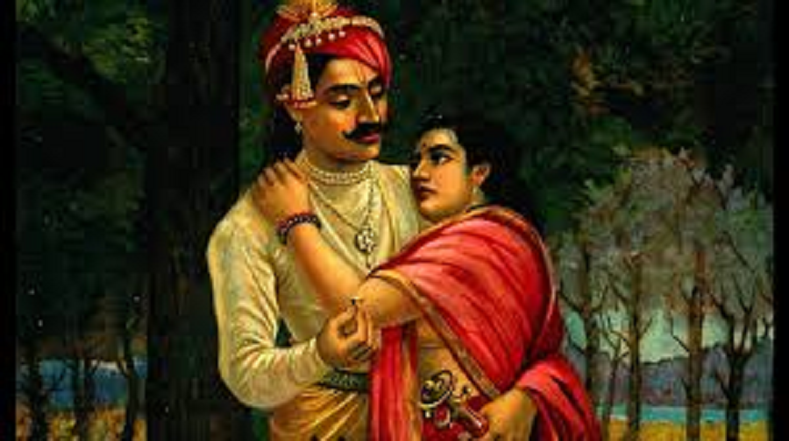
Classes of husbands in ancient India: In ancient India, husbands were divided into seven distinct categories based on their temperament and behavior. Find out what these seven distinct categories of husbands are.
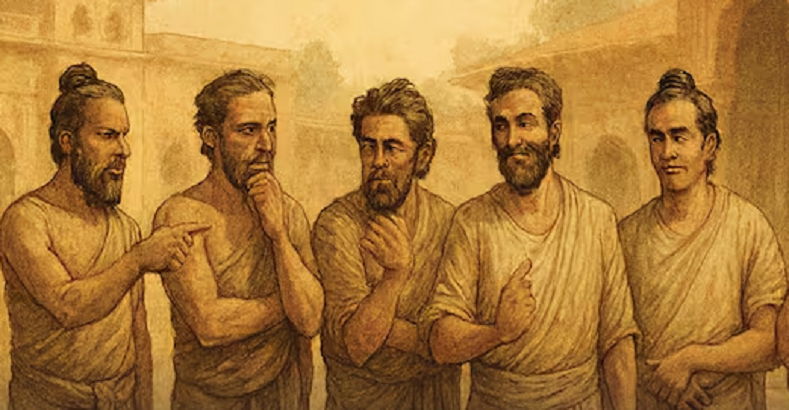
Categories of Husbands in Ancient India
1 /8
In ancient India, husbands were divided into seven distinct classes based on their behavior and attitude. Learning about these classes will reveal the important role a husband's temperament played in the social environment.
2 /8
Swamis were husbands who behaved like bosses, with a strict attitude and authority over their wives. They always tried to ensure that their wives obeyed their rules and decisions and lived their lives according to their wishes, without expressing their own desires.
3 /8
Vallabh were husbands who had a loving, gentle, and supportive attitude toward their wives. Marriage was based on mutual understanding, respect, and expressions of love. The Vallabh category of husband was highly regarded in ancient India.
4 /8
Prajapati, whose attitude is that of a protector, protects and nurtures the family as a guardian. In this marriage, the partners are not equal; the husband exercises unilateral authority.
5 /8
A recluse husband is kind by nature, but prefers to remain in his own world. He has no interest in physical intimacy. Such husbands place more emphasis on sharing family responsibilities with their wives.
6 /8
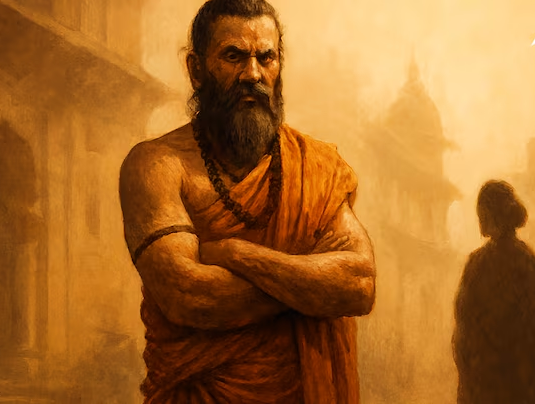
Sakha has a friendly attitude, and such husbands are playful and stay with their wives for life. Such husbands maintain a friendly relationship with their wives even after marriage, and enjoy a fun life together.
7 /8
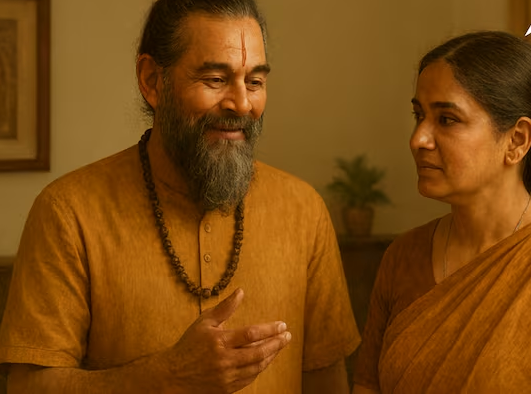
Gurus have a teacher-like attitude. They lead a spiritual and moral life with their wives. With a pedagogical nature, such husbands prioritize values over emotions in their marriage.
8 /8
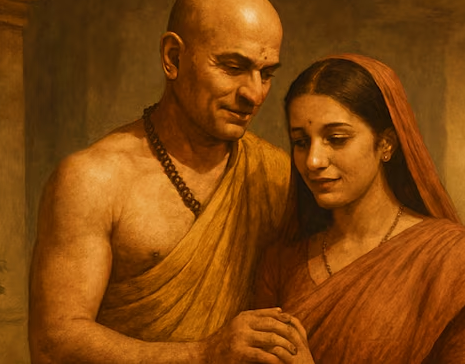
Dasa (Das) has a servant-like attitude, being obedient and following the wife's wishes. This is a hierarchical marriage, where the wife's involvement is central. The sages of ancient India divided men into seven distinct categories to explain the diversity of their personalities.