NEWS
City of dreams or a furnace of expenses? How much do young people living in PG flats in Delhi lose their pockets each month?
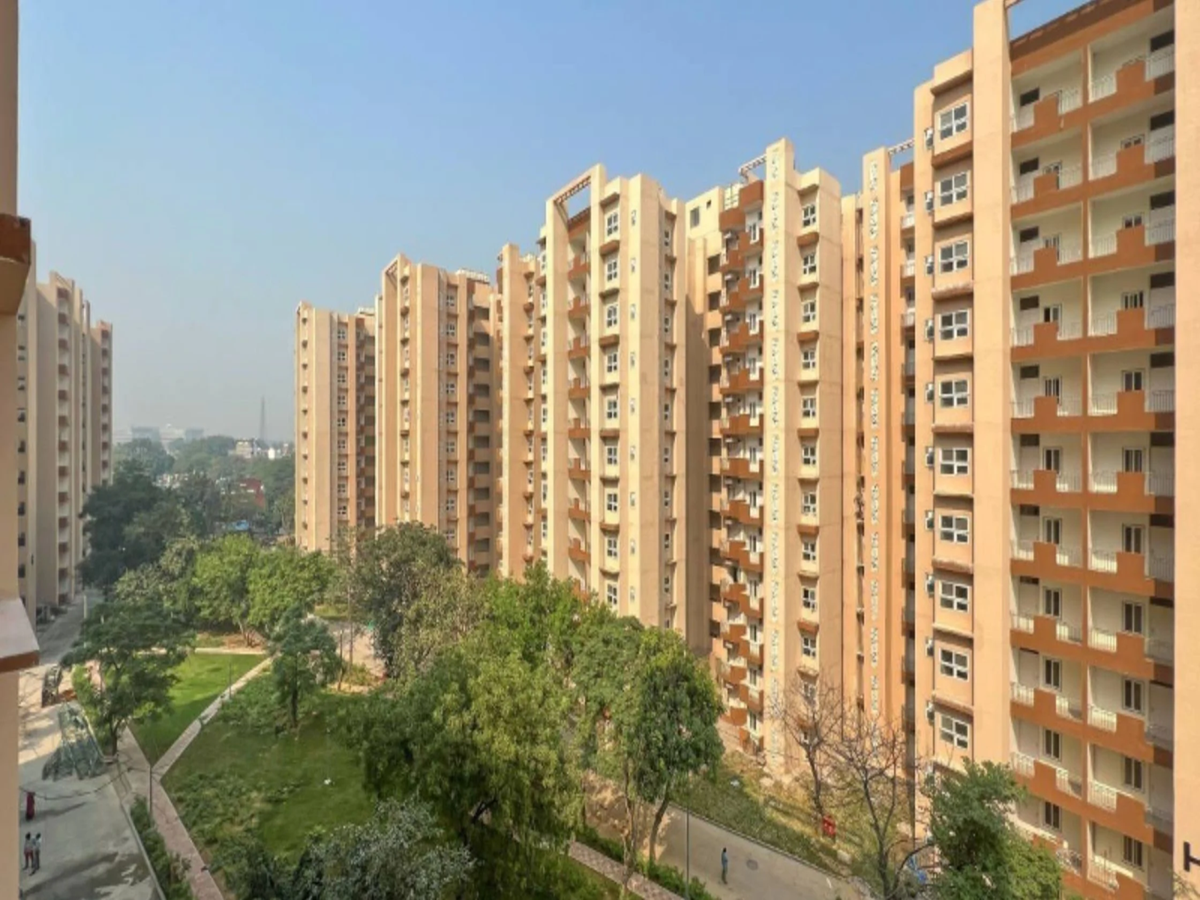
Delhi PG Rent: The rent of a double-sharing PG in Delhi is usually between Rs 7,000 and Rs 10,000, while for a single-room PG, one may have to spend between Rs 12,000 and Rs 18,000.
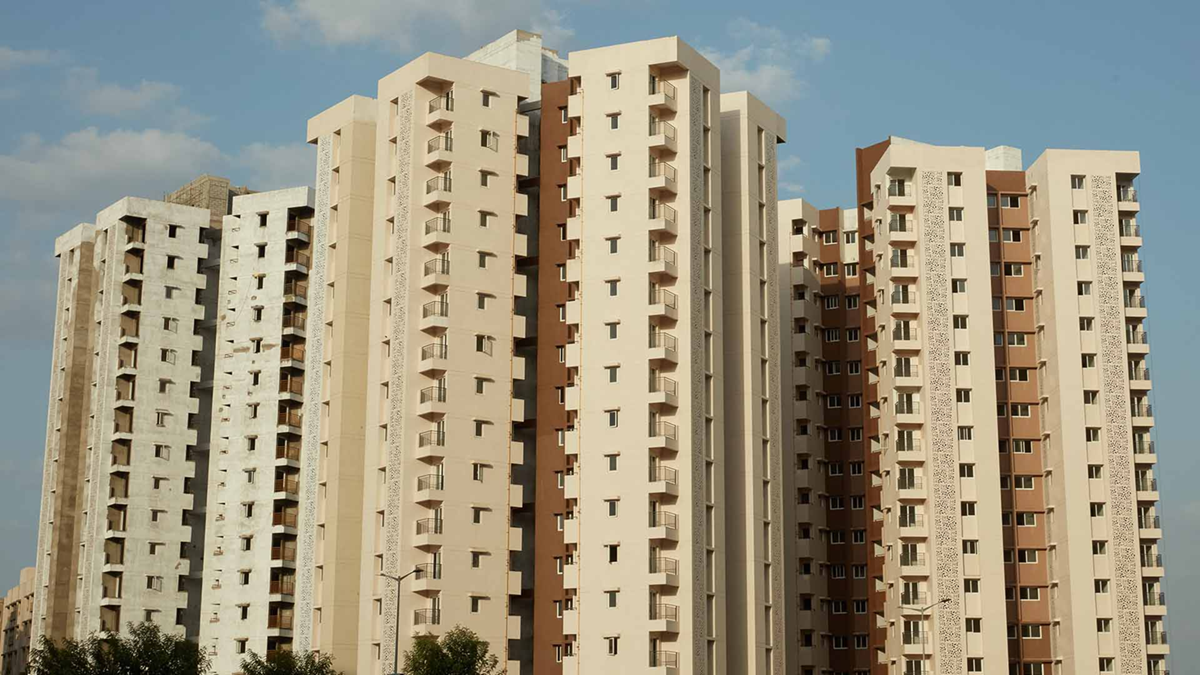
How much do the pockets of the youth living in PG flats in Delhi become empty every month?
PG and Flats for Rent in Delhi: Every year, Delhi invites millions of young people with dreams. Some come to study, some in search of jobs, and some to launch their careers. But the first reality they face after arriving in Delhi is the ever-increasing cost of living.
ABP News spoke with students and working professionals living in PGs and flats in Delhi's Jamia Nagar, Mukherjee Nagar, Laxmi Nagar, Malviya Nagar, and Saket. The conversations revealed that the cost of living in Delhi isn't limited to rent alone; many small and large expenses each month add up to a significant impact on the budget.
Rental flat available for Rs 25,000
In Delhi, the rent for a double-sharing PG typically ranges from ₹7,000 to ₹10,000, while a single-room PG can cost between ₹12,000 and ₹18,000. Meanwhile, if a young person wants to live in a flat, the rent for a 1RK flat can range from ₹10,000 to ₹16,000, and for a 1BHK, it can cost ₹15,000 to ₹25,000.
A student from Bihar living in Jamia Nagar said, while leaving home, I thought that I would be able to manage comfortably in Delhi with Rs 10-12 thousand, but after coming here, I realized that rent is the biggest expense.
How much are students spending on food?
After rent, food is the biggest expense. Students whose PGs include food have a slightly lower cost. However, young people living in flats or rooms have to spend anywhere from 3,000 to 6,000 rupees per month on food. If food is ordered online, this expense increases further.
The Delhi Metro is a part of millions of people's lives. Young people who commute daily to college, work, and internships spend approximately 1,000 to 2,000 rupees per month on the metro. This amount increases further if they use autos and e-rickshaws more frequently.
Mobile and internet are also included in essential expenses.
Nowadays, mobile phones and internet are also essential expenses. Mobile recharges cost between 250 and 400 rupees, and Wi-Fi or internet access costs between 500 and 800 rupees. This means that mobile phones and internet alone require between 700 and 1,000 rupees per month.
If a young person lives in a flat, they also have to spend separately on electricity bills, cleaning, laundry, and other necessities. These expenses can cost around 2,000 to 5,000 rupees per month. Adding all these expenses together, the average monthly expenditure for a student or working person living in Delhi reaches between 15,000 and 30,000 rupees.
Income eight annas, expenditure one rupee!
Many young people working in Delhi earn a starting salary of between 25,000 and 35,000 rupees. So, if someone earns 30,000 rupees and their monthly expenses reach 22,000 to 25,000 rupees, they're left with barely 5,000 to 8,000 rupees in savings. If they have to go home one month, have unexpected medical expenses, or have some other need, even this savings can be depleted.
Delhi is a city of opportunities, but it's also a city of expenses. Thousands of young people arrive here with dreams of a better future and a better career, but their biggest challenge isn't just finding a job, but also managing their finances amid rising expenses.
Perhaps this is why, for many young people living in Delhi, the first of the month brings relief, while the last week is spent calculating expenses. Living in Delhi isn't just about money, but also about dreams, struggles, and compromises.