LIFESTYLE
XPLANE: Should every fever result in a swine flu test? A woman's death sparked nationwide uproar.
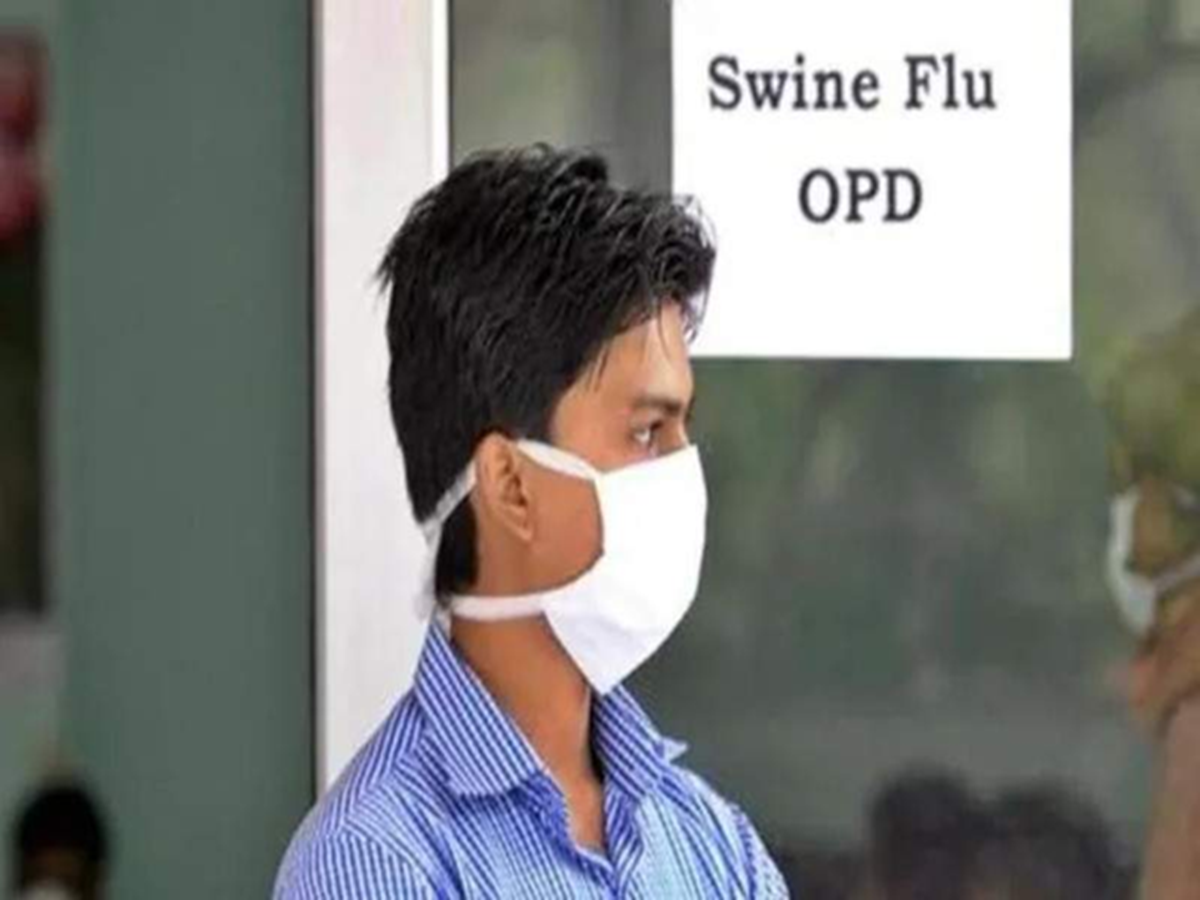
Swine Flu Advisory: The death of a woman in Indore is a warning. 1,344 cases in Delhi, 500 sick at a school in Bengaluru, and advisories in Haryana, Chandigarh, and Uttar Pradesh are signs that swine flu is spreading rapidly.
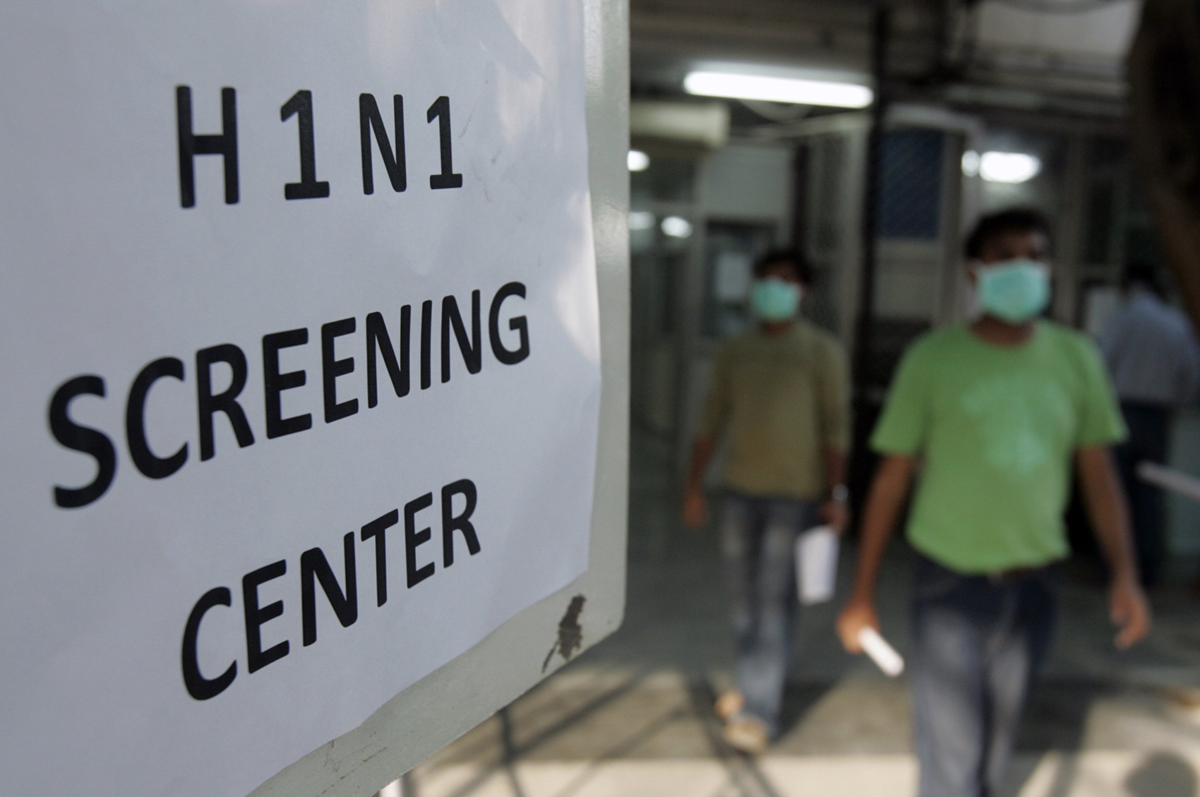
Why is there turmoil across the country?
On Wednesday evening, August 19th, a 60-year-old woman died of swine flu in Indore, Madhya Pradesh. This news isn't just a death, but a warning signal ringing across the country. This year, swine flu cases in Delhi have increased nearly six-fold compared to last year. In a Bengaluru school, more than 500 students and 21 staff members fell ill. In Meerut, the number of cases has risen to seven. Health departments across Haryana, Chandigarh, and Uttar Pradesh have issued advisories. So, is this the beginning of a pandemic like the coronavirus, and is it now necessary to get tested for swine flu for every fever?
Why are swine flu cases increasing?
According to a report from the Mayo Clinic, weather changes, rain, and humidity create an ideal environment for the virus to thrive. Fluctuations in humidity and temperature activate the virus. This is why swine flu cases increase each year around August and September. But this time, the figures are shocking:
These figures show that this is not just a problem of one city or state, but a nationwide crisis.
So how do you recognize the symptoms of swine flu?
The symptoms of swine flu are very similar to those of the common flu:
How does swine flu spread?
According to the US Centers for Disease Control and Prevention, the virus spreads through droplets in the air when an infected person coughs, sneezes, speaks, or breathes. You can become infected if you breathe in these droplets or touch a contaminated surface (such as a doorknob, sink) and then touch your eyes, nose, or mouth.
An infected person begins spreading the virus a day before symptoms appear. This means you may not even know someone around you is sick and spreading the virus. An infected person can infect others for up to 7 days (up to 10 days in children).
Anyone can get the disease, but some people are at higher risk of serious harm:
- Children under 2 years of age
- Elderly people over 65 years of age
- pregnant women
- People with chronic diseases such as asthma, diabetes, and heart disease
- People with weakened immune systems (cancer, HIV/AIDS, organ transplant)
- People living in crowded places like nursing homes or barracks
So should testing be done for every fever?
Dr. Neeraj Nischal, a professor in the Department of Medicine at AIIMS, Delhi, says that testing isn't necessary for every fever. The need for testing depends on the patient's symptoms, the duration of the illness, the presence of surrounding infections, and risk factors.
- If you have a mild fever, cough, or sore throat, you don't need to get tested immediately. Rest, eat liquids, and monitor your symptoms.
- If the fever is going above 102-103 degrees, there is difficulty in breathing or the symptoms are persistent and worsening, then immediately contact the doctor and get tested.
The best way to diagnose swine flu is through an RT-PCR (Real-Time PCR) test, which involves taking a swab from the patient's nose or throat.
Following the nationwide increase in cases, the Union Ministry of Health and Family Welfare has issued a nationwide advisory. Several states have also issued their own advisories:
- Haryana: The Health Department has issued advice on how to prevent swine flu due to the changing weather. People have been advised to avoid shaking hands, not spitting in public, and not to take medication without a doctor's advice.
- Chandigarh: The Health Department has issued a public advisory, advising people to avoid public places if they have a fever, cough, or sneeze.
- Uttar Pradesh: The health department has decided to set up special camps in slums and congested areas.
Is this an epidemic like Corona?
No. It's important to understand this. H1N1 emerged as a pandemic in 2009, but it's now part of the seasonal flu spectrum. Cases rise and then decline each year as the seasons change.
Yes, cases are unusually high this time. Six times higher in Delhi, schools closed in Bengaluru, but this isn't a new pandemic like the coronavirus. Nevertheless, we shouldn't be complacent, as it can be fatal for the elderly, children, and those with chronic illnesses.