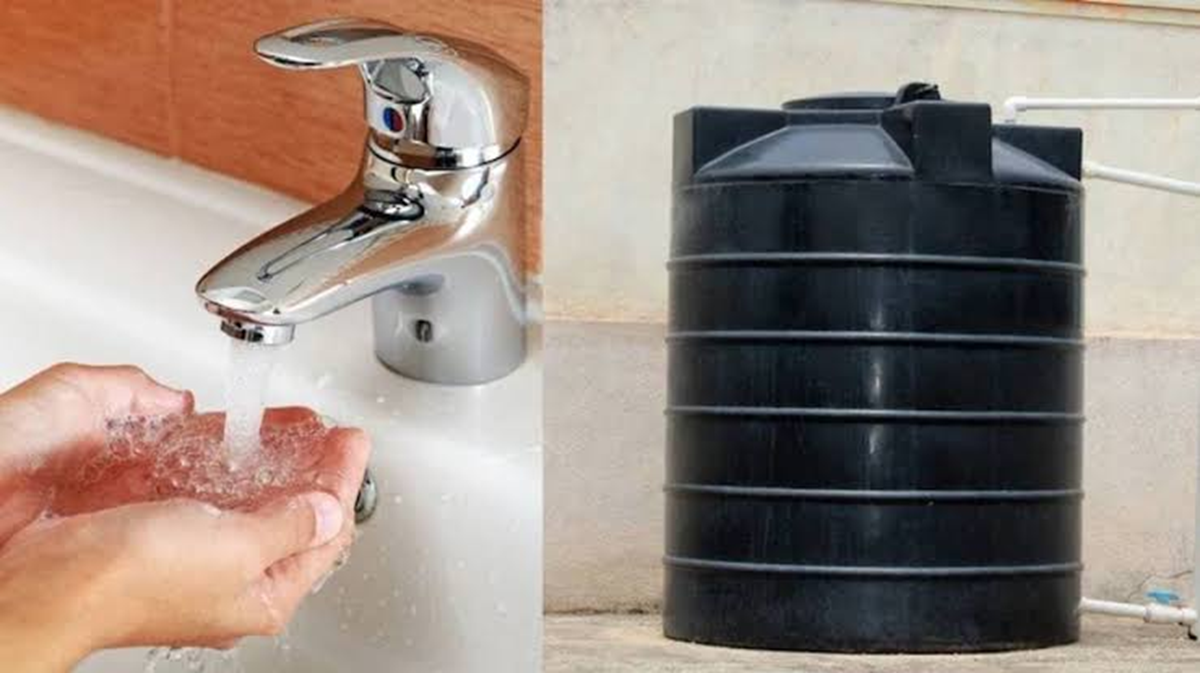
Heating Tips: If the water tank is placed on the roof or in an open area, a thick thermocol sheet can be placed around it. The thermocol acts as insulation.
Winter Water Tank Tips
Keep your water tank warm in winter: Many people feel uneasy just thinking about a cold bath on a winter morning. Especially in rooftop water tanks, the water can become so cold that they have to think twice before taking a bath. This problem is even more severe for homes without geysers. Furthermore, running an immersion rod every day can increase electricity costs.
But if you want to prevent the water in your tank from getting too cold without using electricity, some simple tricks can help. This doesn't require any expensive equipment or even a replacement tank.
Apply a thick layer of thermocol on the tank.
If the water tank is placed on the roof or in an open area, a thick thermocol sheet can be placed around it. Thermocol acts as insulation, preventing heat from escaping quickly and reducing the impact of cold air. This can be especially beneficial during the early hours of winter. This method is also inexpensive and can be used for a long time.
Don't throw away bubble wrap.
If you have bubble wrap lying around your house, there's no need to discard it as useless. It can be used to cover your water tank in the winter. The tiny layers of air in the bubble wrap act as insulation. Apply two or three layers tightly around the tank. This will prevent cold air from reaching the tank surface, allowing the water to stay lukewarm for longer.
Protect the tank from cold air
A tank placed in an open space on a rooftop is directly affected by dew and cold air at night. This can cause the water to cool quickly. To prevent this, you can cover the tank with a tarpaulin, wooden shed, or a small tin roof. If you don't have these, thick cloth or old sacks can also work. Covering the tank with these can reduce the direct impact of cold air.
The color of the tank can also change.
Painting the tank a dark color has also been suggested. Black, dark blue, or dark brown colors absorb sunlight more easily. Over a day's exposure to sunlight, the tank can gradually heat up, affecting the water temperature. This method does not require electricity or external equipment. Once the tank is painted, it can be used for a long time.
Place the tank in a place that receives plenty of sunlight.
If it's possible to relocate the tank on your roof, it may be best to place it in a location that receives good sunlight throughout the day. The heat from the sun helps warm the tank. This can increase the water temperature during the day, preventing it from feeling too cold in the morning.
Make sure to cover the tank at night.
The heat stored in the tank after a day of sunshine can be rapidly lost by the cold night air. Therefore, covering the tank with a thick cloth or blanket at night can be helpful. The cloth or blanket helps protect the tank from cold air and prevents the heat stored during the day from escaping quickly. This method is quite simple and inexpensive.