LIFESTYLE
Bird Flu Vaccine: Chickens will no longer be affected by bird flu! India develops its first indigenous vaccine.
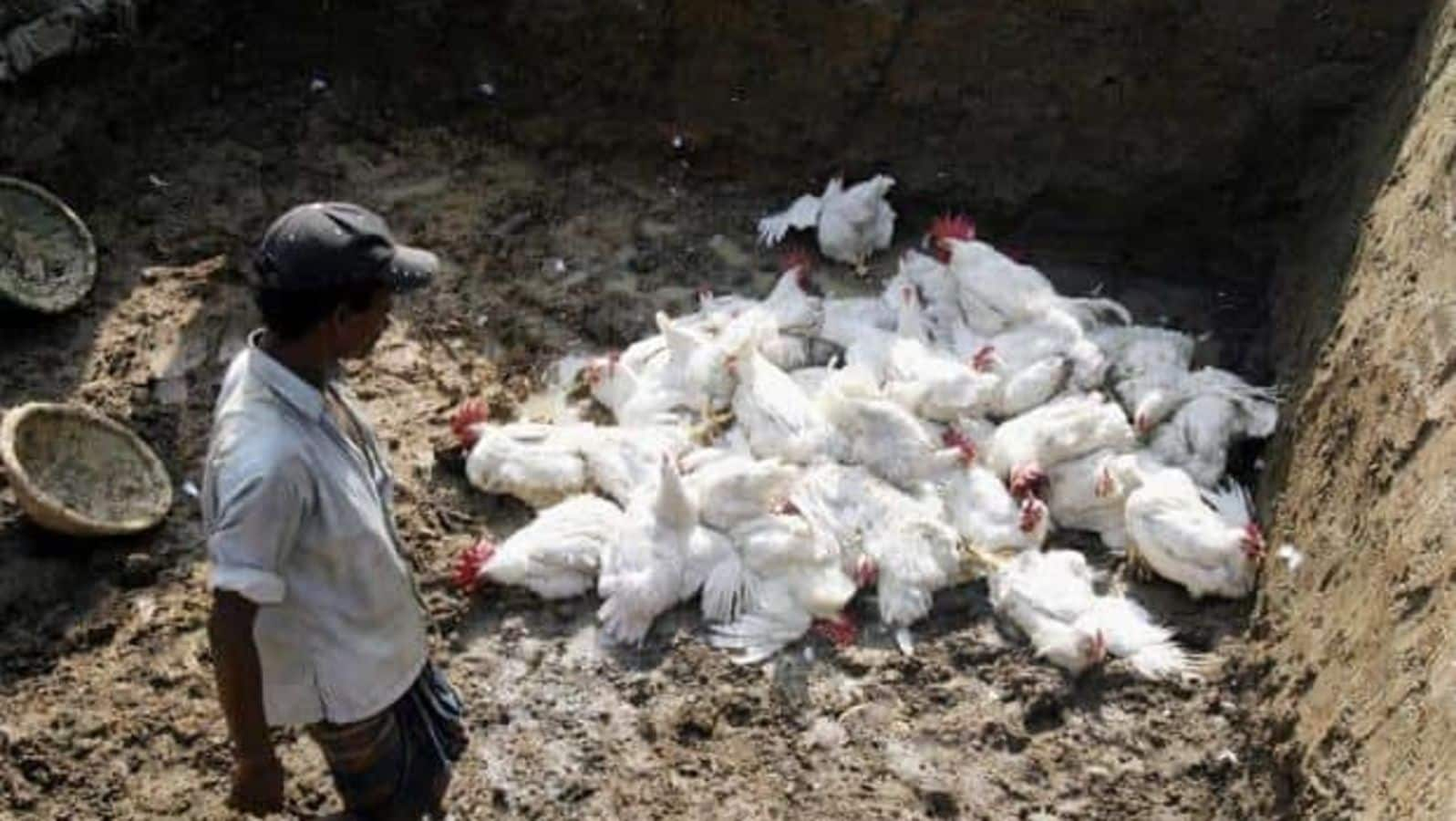
Bird Flu in India: Between 2006 and 2021, 341 cases of bird flu were reported in India. These cases were recorded in 24 states. Of these, 284 cases were related to H5N1 and 57 to H5N8.
Bird flu vaccine, India's first H5N1 vaccine
India's first indigenous vaccine to protect chickens from H5N1 bird flu has been developed. Scientists at the Bhopal-based ICAR-NIHSAD developed the vaccine, which targets the H5N1 clade 2.3.2.1a strain currently circulating in the country. Union Agriculture Minister Shivraj Singh Chouhan launched the vaccine today.
Bird flu has caused large bird deaths in India on several occasions. When the disease spreads, infected birds have to be culled, causing significant losses to the poultry business. Therefore, the new vaccine is expected to help prevent bird flu outbreaks.
Bird flu cases have been reported several times in India before.
Between 2006 and 2021, 341 cases of bird flu were reported in India. These cases were reported in 24 states. Of these, 284 cases were related to H5N1 and 57 to H5N8. The new vaccine comes at a time when concerns about H5N1 are not limited to birds. The virus has been found in other animals, and cases have also been reported in humans. However, experts say that there is no need for the public to panic at this time. However, it is important to monitor the disease and detect cases in time.
How much will the vaccine reduce the risk to humans?
H5N1 is a virus that primarily spreads among birds. However, it can occasionally infect humans. Most cases in humans worldwide have been linked to direct or indirect contact with infected birds.
According to Dr. Ashish Tiwari of the Shandilya Multi-Specialty Clinic in Varanasi, vaccinating chickens can help reduce the risk of H5N1 infection in humans. Protecting birds from the virus can reduce the spread of the disease within poultry and the amount of virus in the surrounding environment. This will also reduce the risk of humans coming into contact with infected birds.
But vaccines alone won't completely eliminate the bird flu problem. Regular poultry inspections, farm sanitation and safety measures, proper removal of infected birds, and monitoring of bird health are also essential. Vaccines, rather than preventing infection altogether, can help reduce the severity of the disease and the spread of the virus. Therefore, continuous disease monitoring and prompt action when cases emerge are essential.
Is there a big threat of bird flu in India?
Cases of H5N1 spreading to other animals and humans have raised concerns about its potential for further spread. However, the situation is not yet such that the public needs to panic. Humans are at risk of coming into contact with infected birds at poultry farms, domestic birds, and places where live birds are sold.
According to experts, the possibility of a widespread outbreak of any disease cannot be completely ruled out. However, there is currently no evidence to suggest a major bird flu epidemic is imminent in India.
Can H5N1 spread from human to human?
One of the biggest concerns about H5N1 is whether the virus can spread easily between humans. So far, there's no evidence of sustained human-to-human transmission of H5N1. To spread rapidly between humans, the virus would need to undergo certain changes, allowing it to easily attach to cells in the human respiratory tract, replicate rapidly in the human body, and be transmitted to others through respiratory droplets or the air. Therefore, scientists are monitoring changes in the virus.
How much danger is there in eating chicken and eggs?
With the arrival of the new vaccine in India, people are wondering whether eating chicken or eggs can cause H5N1. According to Dr. Ashish Tiwari, there is no evidence that eating thoroughly cooked chicken or eggs can cause H5N1 infection. The risk is greater from coming into contact with infected birds while slaughtering or cleaning them. Therefore, it is recommended to purchase chicken and eggs from trusted and controlled sources. Chicken should be cooked thoroughly, and eggs should also be thoroughly cooked. Raw chicken should be kept separate from other food items. It is also important to wash hands, knives, and cutting boards thoroughly after handling raw chicken.