NEWS
Which company's ghee do you consume? FSSAI detected irregularities, suspending one company's license.
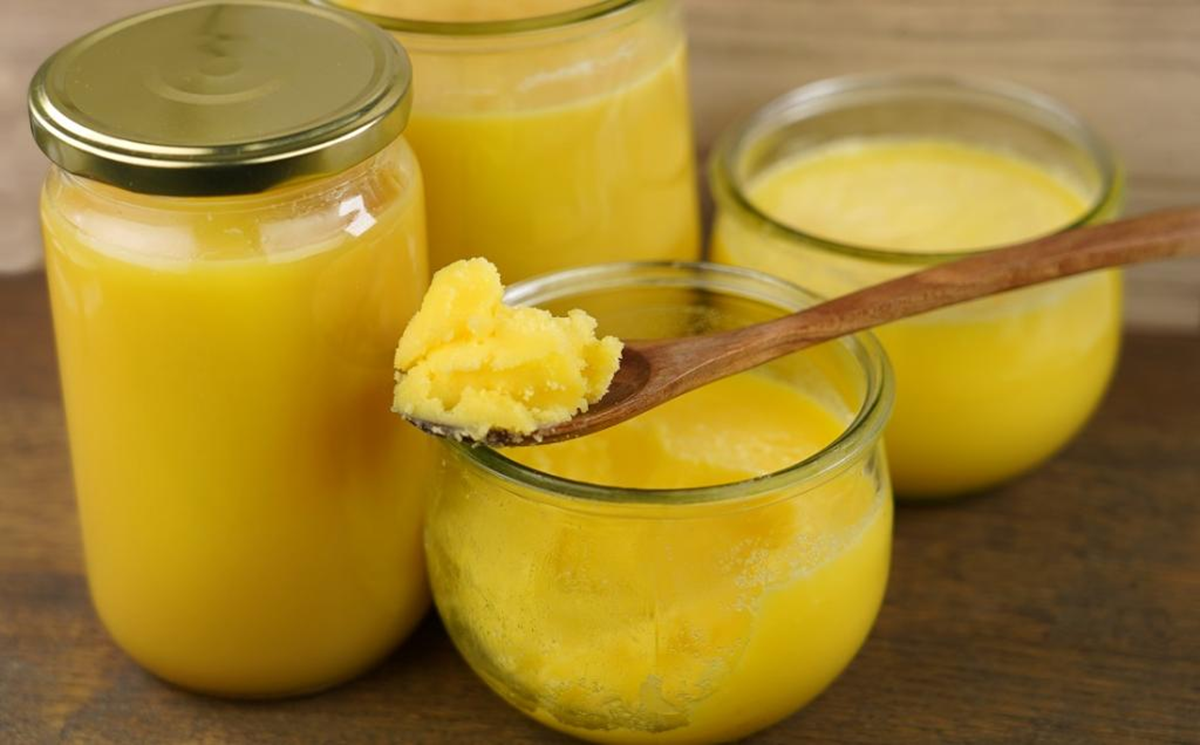
The FSSAI has taken action for violations of food safety regulations. Marshe Retail's license has been suspended for 30 days, while SDP Industries has been ordered to stop selling ghee.
FSSAI detected irregularities and took action against two companies.
FSSAI Ghee News: If you also use packaged ghee purchased from the market, then this news is important for you. The Food Safety and Standards Authority of India (FSSAI) has taken significant action against several companies for violating food safety regulations. One company's license has been suspended, while the sale of ghee from another company has been banned.
According to FSSAI, the inspection revealed several serious deficiencies, including deficiencies in cleanliness, operational systems, and employee personal hygiene. Furthermore, a sample of ghee from one company revealed signs of adulteration, raising concerns about its potential for contamination.
Why was Marshe Retail's license suspended?
Following an inspection of the food business of New Delhi-based Marshe Retail Private Limited, the Food and Drug Administration (FSSAI) has suspended its license for 30 days. However, the inspection found several deficiencies on the company's premises, including:
- Design and operational flaws.
- Lack of cleanliness and personal hygiene of employees.
- Negligence of food handling staff.
- Deficiencies in employee training.
- Not maintaining important records and documents properly.
What went wrong with SDP Industries' ghee?
In fact, FSSAI has also taken action against Daman-based SDP Industries Private Limited. This controversy has arisen after samples of several ghee products manufactured by the company failed to meet established food safety standards. The investigation also included ghee products manufactured by SDP Industries, which are sold under brand names such as Shraddha, Shri Saras, and Gokul.
FSSAI stated that lab tests of the company's ghee samples revealed α-sitosterol, a plant sterol that is generally considered inappropriate in ghee. Furthermore, the ghee's fatty acid composition was found to be abnormal.