Transfusions of the wrong blood type can cause serious complications. Learn about its early symptoms, its effects on the kidneys and heart, and important preventive measures.
blood transfusion
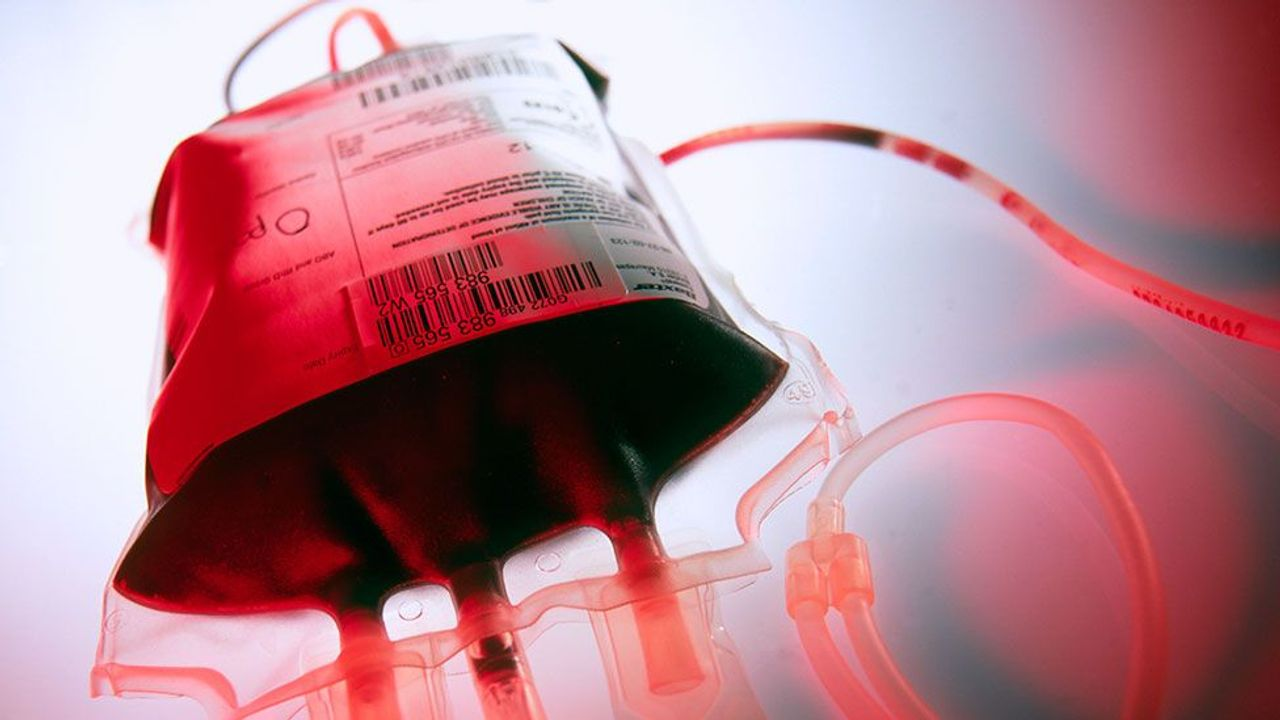
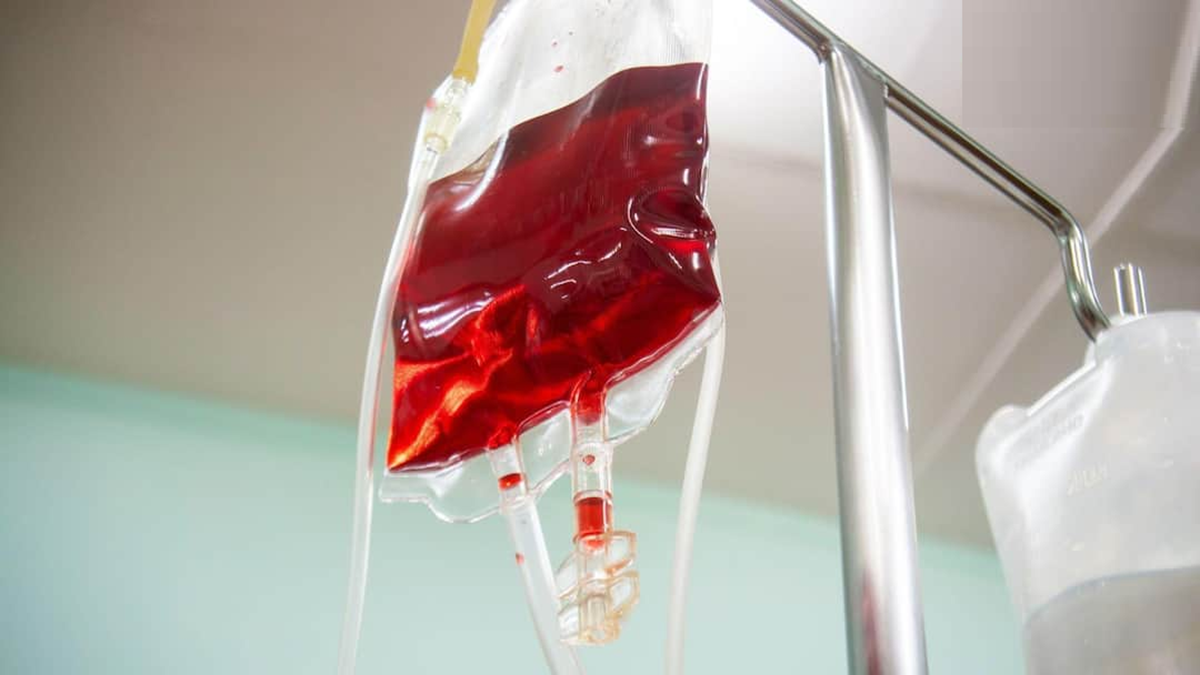
It is crucial to check a patient's blood type before giving them a blood transfusion. Inadvertently transfusing the wrong blood type can be fatal. In such a situation, the body's immune system attacks the red blood cells. This is medically known as a hemolytic transfusion reaction. This can damage the kidneys and, in severe cases, can even lead to death.
These symptoms are seen when the wrong blood group is transfused.
Transfusions of the wrong blood type can cause symptoms within a short time. These include high fever, chills, chest or back pain, difficulty breathing, dizziness, and a rapid heartbeat. In some cases, blood pressure may suddenly drop and urine may become darker.
Damage can occur from the kidneys to the heart.
Transfusion of the wrong blood type causes red blood cells to break down. The resulting hemoglobin damages the kidneys. In severe cases, there is a risk of kidney failure. Furthermore, problems such as blood clots, internal bleeding, and low blood pressure can also occur. If adequate oxygen is not supplied to vital organs, their functioning is affected.
What do doctors do if they get the wrong blood transfusion?
If the wrong blood is detected during a blood transfusion, the medical team immediately stops the transfusion. The patient's condition is then assessed and appropriate treatment is initiated. The patient is given intravenous fluids and other vital functions, including kidney function, are monitored. In severe cases, ICU care and dialysis may be required. Treatment is determined based on the patient's condition and the severity of the reaction.
What things should be kept in mind before blood transfusion?
Before a blood transfusion, it is essential to verify the patient's identity, blood type, and blood compatibility. Patients are also monitored closely during a blood transfusion in the hospital. If a patient experiences fever, pain, difficulty breathing, or sudden anxiety during a blood transfusion, they should immediately report these symptoms to the medical staff. These symptoms should not be ignored, as timely treatment can reduce the risk of serious complications.