NEWS
Want to Become an MLA? Know the Minimum Age, Eligibility Rules and Important Constitutional Conditions
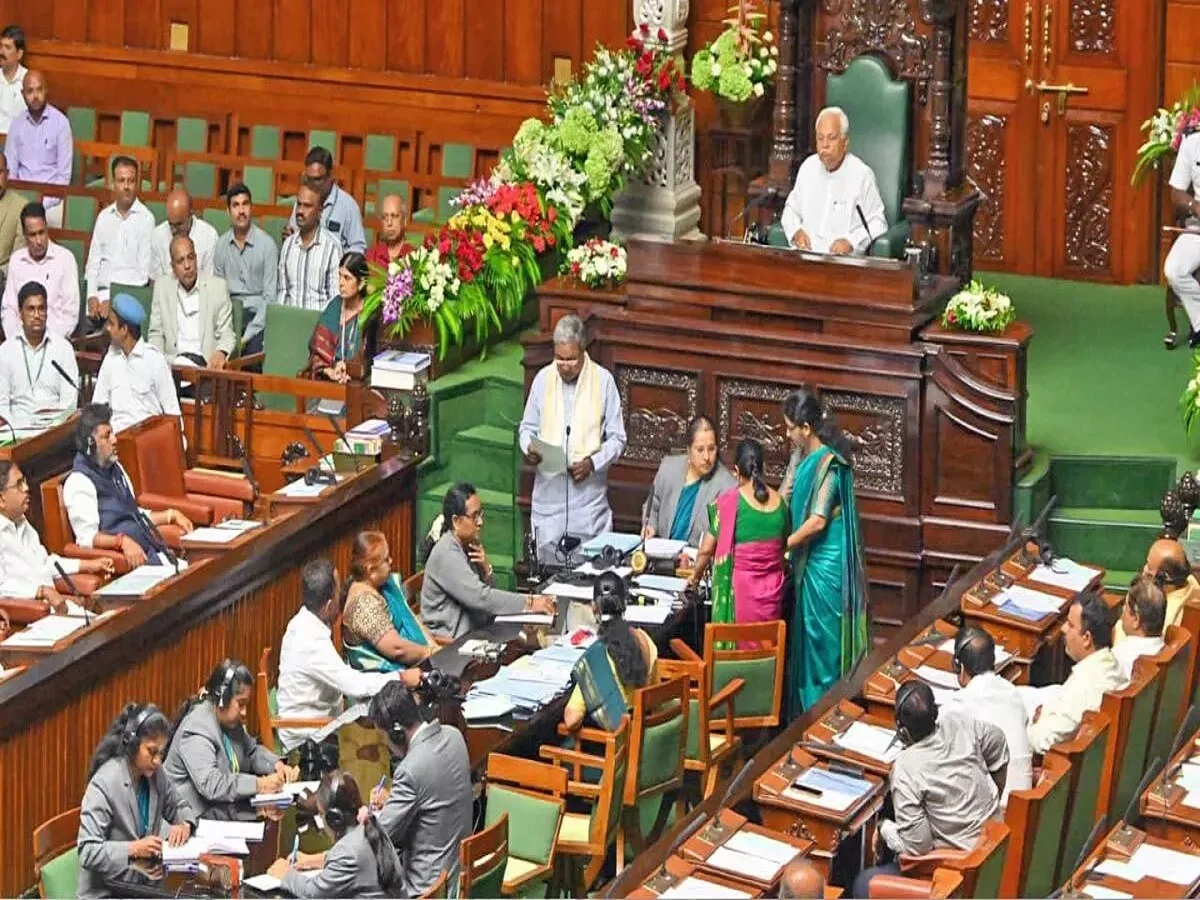
Many people in India dream of entering politics and becoming a Member of the Legislative Assembly, commonly known as an MLA or “Vidhayak.” It is one of the most important political positions at the state level, and MLAs play a major role in lawmaking, governance, and representing the public in state assemblies.
However, before contesting elections, every aspiring candidate must fulfill several constitutional conditions and eligibility requirements laid down under Indian law. From minimum age criteria to citizenship and voter registration rules, there are several important guidelines that determine who can contest assembly elections in India.
Here is everything you should know about the rules related to becoming an MLA.
What Does an MLA Do?
An MLA is an elected representative who becomes a member of a state legislative assembly. These representatives are chosen by voters from different constituencies during state assembly elections.
MLAs are responsible for:
- Making laws at the state level
- Raising public issues in the assembly
- Participating in policy discussions
- Overseeing government functioning
- Representing the interests of people from their constituency
They play a crucial role in the democratic system of India and help shape state governance and administration.
Minimum Age Required to Become an MLA
According to the Constitution of India, a person must be at least 25 years old to contest elections for the state legislative assembly.
This rule is mentioned under Article 173 of the Indian Constitution. Any person below the age of 25 is not eligible to contest assembly elections.
The age requirement is considered one of the most important eligibility conditions for becoming an MLA.
Indian Citizenship Is Mandatory
Apart from the age condition, the candidate must also be a citizen of India.
Only Indian citizens are allowed to contest elections for legislative assemblies. Foreign nationals or individuals without Indian citizenship cannot participate in state assembly elections as candidates.
Citizenship remains a basic constitutional requirement for holding public office in India.
Candidate Must Be a Registered Voter
Another important rule is that the person must be registered as a voter in any constituency of the concerned state.
In simple terms, a candidate contesting assembly elections must have a valid voter registration linked to the state where they are participating in elections.
Without voter registration, a person cannot legally contest the election.
Different Rule for Legislative Council Elections
India also has Legislative Councils in some states, known as Vidhan Parishads.
For candidates contesting elections to the Legislative Council, the minimum age requirement is higher. A person must be at least 30 years old to become a member of the Legislative Council.
This makes the eligibility criteria different from Legislative Assembly elections, where the minimum age remains 25 years.
No Mandatory Educational Qualification
One interesting fact about Indian politics is that there is currently no mandatory educational qualification required to become an MLA.
A person does not need a college degree or specific academic background to contest elections. As long as the constitutional eligibility conditions are fulfilled, any eligible citizen can contest assembly elections.
This rule reflects the democratic principle that public representation should not be restricted based on educational qualifications alone.
MLA Tenure Is Usually Five Years
The term of an MLA is generally fixed for five years unless the state assembly is dissolved earlier.
During this period, elected representatives continue serving their constituency and participating in legislative activities. Fresh elections are held after the completion of the assembly’s term.
However, under special political circumstances, assemblies can sometimes be dissolved before completing the full five-year tenure.
Proposal to Reduce Minimum Age Was Discussed
In recent years, discussions have taken place regarding reducing the minimum age limit for contesting assembly elections.
A parliamentary committee had reportedly suggested lowering the age requirement from 25 years to either 18 or 21 years in order to encourage greater youth participation in politics.
However, no official constitutional amendment has been made so far, and the current minimum age requirement for becoming an MLA remains 25 years.
Politics Continues to Attract Young Aspirants
With increasing youth participation in public discussions, social media activism, and political campaigns, many young Indians are now showing strong interest in entering politics.
Although the eligibility age remains unchanged, debates around political reforms and youth representation continue across the country. For now, anyone planning to contest state assembly elections must fulfill the constitutional conditions, including the minimum age requirement of 25 years.