The holy month of Sawan, also known as Shravan, holds deep religious significance for devotees of Lord Shiva. Across India, temples dedicated to Mahadev witness large numbers of worshippers during this period, with Mondays of the month considered particularly important for Shiva worship.
Many devotees observe fasts, perform Jalabhishek, offer Bel Patra and visit Shiva temples on Sawan Mondays in accordance with their family traditions and religious beliefs. Some also follow specific customs while entering the temple, offering flowers and performing Parikrama around the Shivling.
Traditional religious practices and Vastu-related beliefs describe certain rules that devotees may choose to follow during a temple visit. These customs can differ between regions, temples, families and spiritual traditions, so devotees should also respect the established practices of the particular temple they are visiting.
If you regularly visit a Mahadev temple on Mondays during Sawan, here are some commonly followed traditional practices worth knowing.
Why Are Sawan Mondays Important for Shiva Devotees?
Shravan is traditionally regarded as one of the most auspicious months for worshipping Lord Shiva.
Devotees believe that sincere worship, prayer, fasting and offerings made during this sacred period can bring Mahadev's blessings. Mondays, or Somvar, already have a traditional association with Lord Shiva, which gives the Mondays falling during Sawan additional religious importance.
This is why many people observe the Sawan Somvar Vrat and visit Shiva temples throughout the month.
Devotees may offer water, milk, Bel Patra, flowers and other traditional offerings to the Shivling. However, the exact method of worship may differ depending on regional customs and the rules followed by individual temples.
Follow the Traditional Rule While Performing Parikrama
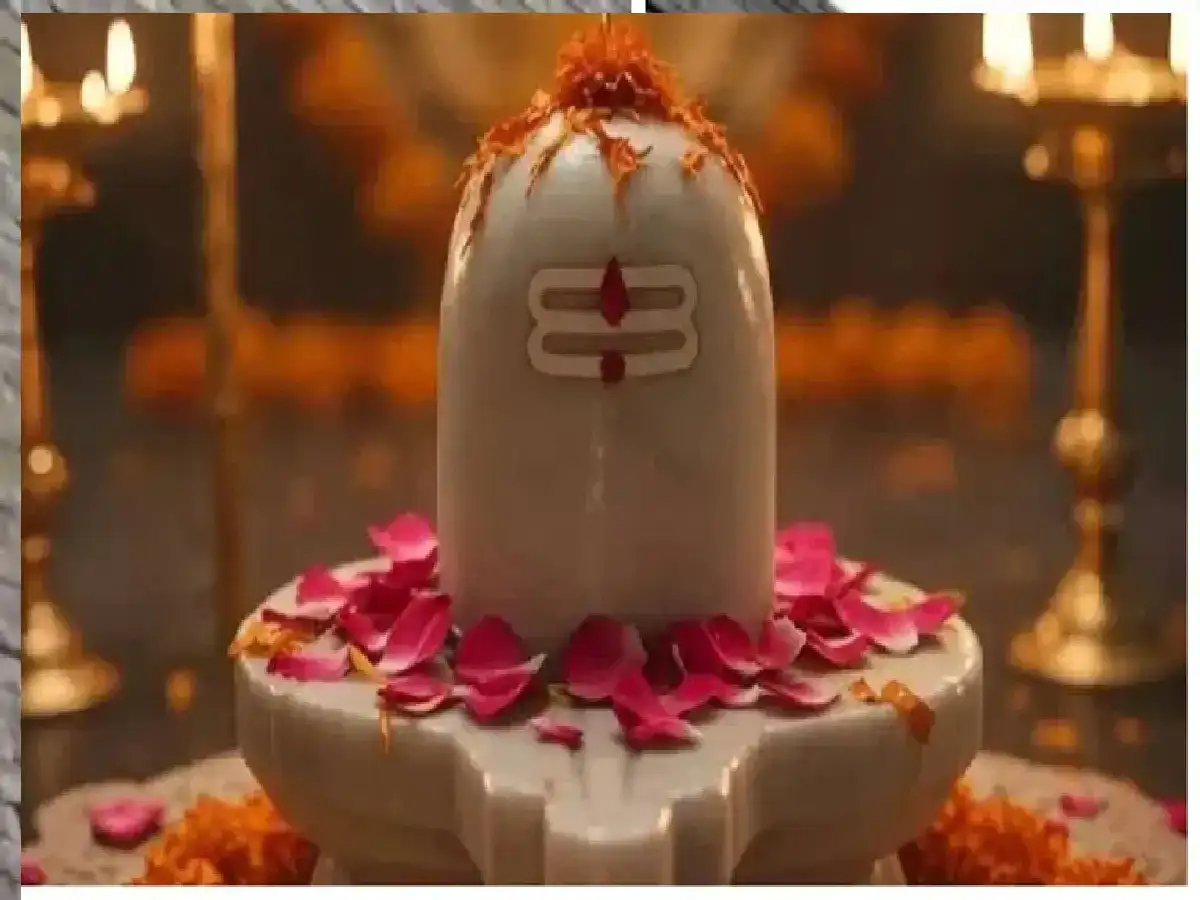
Parikrama, or circumambulation of a deity, is an important part of worship in many Hindu traditions. However, the practice associated with a Shivling is often considered different from the full circumambulation performed around some other deities.
According to a widely followed Shiva worship tradition, devotees perform a partial Parikrama around the Shivling rather than completing a full circle.
This practice is associated with the Somasutra, the channel through which water and other offerings poured over the Shivling flow out.
Traditionally, devotees avoid stepping over or crossing this outlet. They proceed around the Shivling up to the appropriate point and then return rather than crossing the Somasutra to complete the circle.
Temple layouts and traditions can vary, so following the instructions of the priest or the established custom at the temple is advisable.
Don't Visit Empty-Handed If You Want to Make an Offering
Another traditional practice is to carry a simple offering when visiting Lord Shiva.
There is no need for an expensive or elaborate arrangement. Devotees commonly take Bel Patra, flowers, water or another offering traditionally associated with Shiva worship.
Bel Patra, the leaves of the Bilva tree, hold particular importance in the worship of Lord Shiva and are widely offered to the Shivling.
If you don't have elaborate puja materials, even a simple offering made with devotion is traditionally considered meaningful.
More important than the monetary value of an offering is the sincerity with which worship is performed.
Which Flowers Are Traditionally Offered to Lord Shiva?
Flowers are commonly used during Hindu worship, but different deities are traditionally associated with different offerings.
The source tradition recommends white flowers for Lord Shiva and advises against offering red flowers.
White flowers are commonly associated with purity, peace and devotion and are frequently used during Shiva worship.
However, flower-related customs can vary considerably across different regions and religious traditions. Rather than treating a particular colour restriction as universal, devotees can follow their family tradition or ask the temple priest which flowers are considered appropriate at that specific temple.
Bel Patra remains one of the most widely recognised traditional offerings associated with Lord Shiva.
Prasad Can Be Offered After Darshan
Devotees may also offer Prasad during their temple visit.
The original tradition mentions sugar as one simple form of Prasad. Other offerings may also be used depending on the temple's customs.
Once again, it is best to respect temple-specific rules. Some temples have restrictions on what visitors may place directly near the Shivling, while others have designated areas where offerings are handed to priests.
Following these instructions helps maintain cleanliness and ensures that worship is conducted respectfully.
Should You Wash Your Hands and Feet Immediately After Returning Home?
Some Vastu-related traditions advise devotees not to wash their hands and feet immediately after returning from a temple.
The belief behind this practice is that a person returns from a sacred place carrying positive spiritual energy and should not immediately wash it away.
This should be understood as a traditional or spiritual belief rather than a scientifically established rule.
From a hygiene perspective, washing your hands is advisable when necessary—particularly after travelling, touching shared surfaces or visiting a crowded public place. Religious customs can be observed in ways that do not compromise personal hygiene.
Respect Temple Rules During Sawan
Sawan Mondays can attract very large crowds at prominent Shiva temples. Devotees should therefore pay attention not only to traditional worship practices but also to basic temple etiquette.
Follow queues, avoid pushing other worshippers, respect restrictions around the sanctum and don't leave plastic or other waste around the temple.
If the temple has specific instructions regarding Jalabhishek, Prasad, flowers or Bel Patra, those local rules should take priority.
Devotion Remains at the Heart of Sawan Worship
Traditional beliefs attach great significance to worshipping Mahadev during Shravan, especially on Mondays. Practices such as offering Bel Patra and flowers, performing the customary partial Parikrama and presenting simple Prasad continue to be observed by devotees in many places.
At the same time, customs are not identical everywhere. Temple traditions, regional practices and family beliefs may differ.
For devotees, the central idea behind Sawan worship remains faith and devotion. Whether the offering is elaborate or simple, observing temple customs respectfully and worshipping Lord Shiva with sincerity is considered the most meaningful part of the Sawan Somvar tradition.