Trump Hormuz Blockade: When the peace talks between America and Iran in Pakistan remained inconclusive, an enraged Trump ordered the blockade of the Strait of Hormuz.

crisis in the Strait of Hormuz
Donald Trump Hormuz Blockade: The failure of ceasefire talks between Iran and the United States in Islamabad, Pakistan, has infuriated President Donald Trump to the point that he has ordered a blockade of the Strait of Hormuz. If the US military is indeed deployed to guard Hormuz, it is likely to further fuel the flames of war in the Middle East.
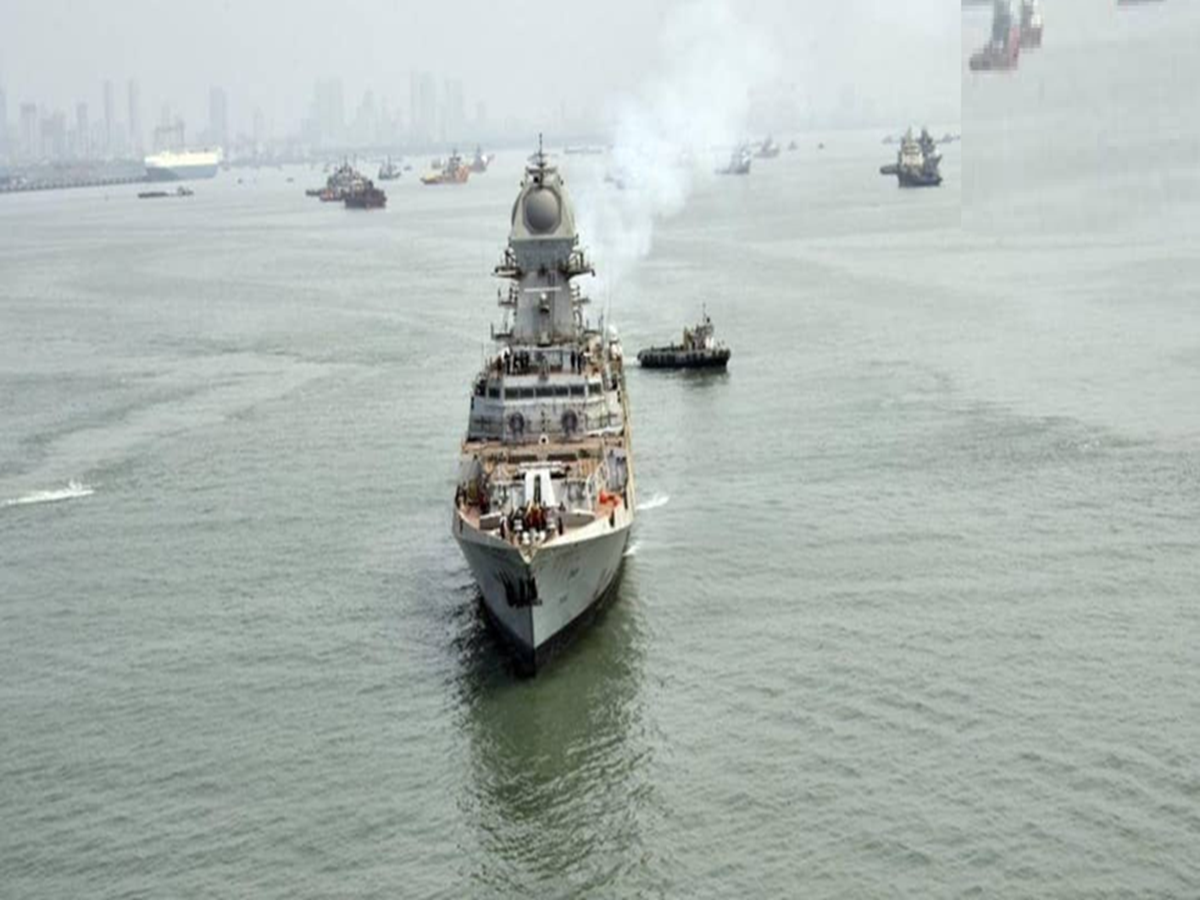
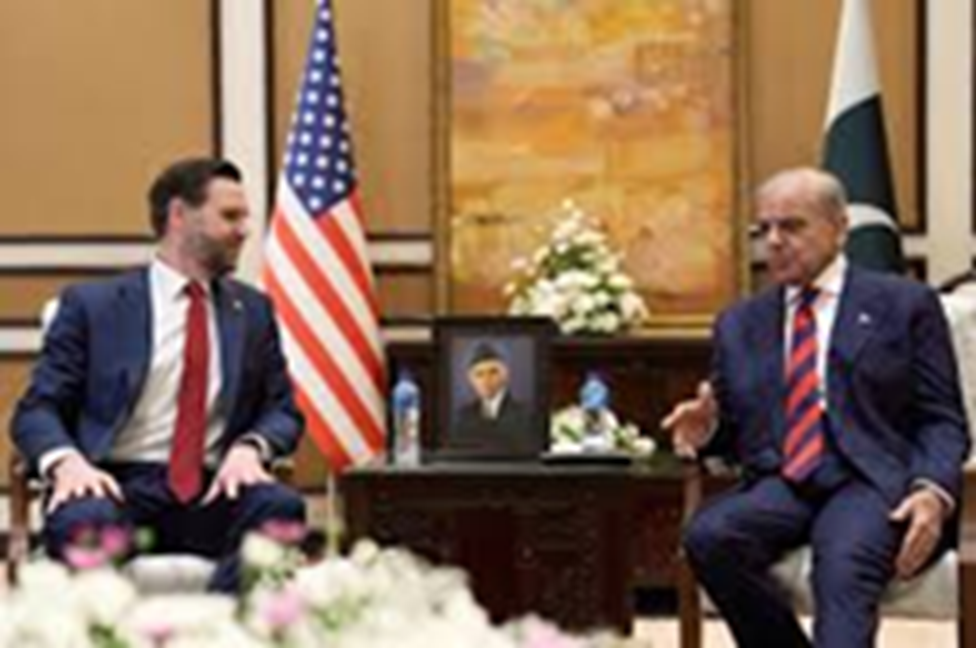
The US is currently focused on opening the Strait of Hormuz. In response, two US warships have been deployed to patrol the Strait of Hormuz. This is the first time since Iran declared war on February 28th that US forces have been deployed so close to Iran and active in its strategic waterway. Trump is unhappy with his Vice President, JD Vance, returning empty-handed with his team.
Trump blames Iran
Trump has accused Iran of forcibly collecting illegal tolls of up to $2 million per barrel from ships passing through the Strait of Hormuz. He has also stated that Iran seeks to control this international waterway, a move Trump opposes. The US wants Iran to open the Strait of Hormuz conditionally and safely.
According to US Navy Admiral Brad Cooper, a new, secure sea route is being built and will soon be open to ships. This route will ensure uninterrupted oil and gas supplies around the world.
What was America's condition in the meeting?
During marathon talks between the two countries in Islamabad, the US had set Iran the condition of relinquishing its nuclear weapons capability and completely halting uranium enrichment. However, Iran refused, considering this a violation of its sovereignty. This is now likely to escalate matters.
Rumblings of rising tensions intensify.
The US has barred India from purchasing Iranian crude oil since 2019. It was during the ongoing conflict in West Asia that India received its first Iranian crude oil cargo in seven years.
Despite this, India remains heavily dependent on imports from other Gulf countries, such as Iraq, Saudi Arabia, and the United Arab Emirates, which often transit through that route. During recent tensions, Iran has allowed Indian ships to transit through the Strait of Hormuz, although this has been tightly controlled and access restricted.
The question now arises whether Iran's current stance of allowing "non-enemy" vessels will continue if the US Navy moves to enforce a naval blockade. In any case, Trump's mere announcement of the blockade has sent crude oil prices soaring above $100 per barrel today, reflecting concerns about potential supply disruptions in the region, which accounts for a significant portion of global energy supplies.
Impact on India
India meets its oil and gas needs largely through imports from Gulf countries. A US military blockade could again disrupt LNG and LPG supplies. This would increase fuel prices in the country and adversely impact inflation. Meanwhile, Iran has warned that it will not hesitate to attack if US warships impose a blockade. This could increase the risk of nuclear war.