Section 301 Investigations: Following the EU's heavy fine on Google, Donald Trump has taken a tough stance against the European Union. Learn about the entire matter and the potential impact of the trade war.
Will the US-EU trade war start again?
Section 301 Investigations: Trade tensions between the US and the European Union appear to be escalating once again. The EU has imposed a fine of approximately ₹9,800 crore (approximately $1 billion) on Google. Following this, US President Donald Trump has taken a tough stance. Trump has called the EU's action unfair against American companies and has threatened to initiate trade investigations and take retaliatory measures.
Why was the fine imposed?
The European Commission has imposed a substantial fine on Google, accusing it of violating digital market regulations. The EU alleges that Google used its platform and services to stifle competition. The fine includes allegations that Google prioritized its own products and services and limited competition for app developers.
Following the
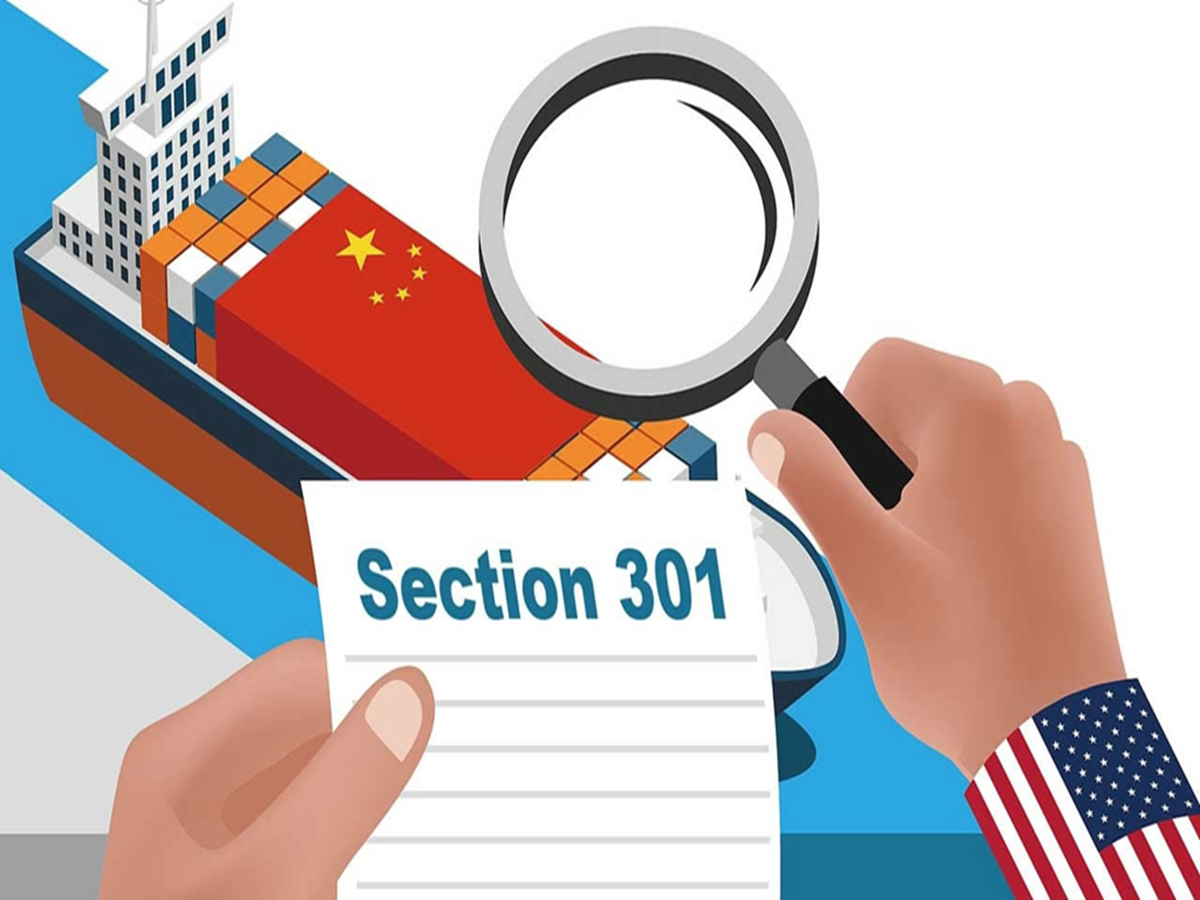
Google crackdown, Trump has threatened to launch a Section 301 investigation against the European Union. This provision is used in the US when another country's trade policies are deemed unfair or discriminatory. Trump accused Europe of consistently targeting American companies. He hinted that the investigation could lead to new tariffs against the EU.
What is a Section 301 investigation?
Section 301 is a provision of US trade law that allows the United States to investigate the trade policies of foreign countries. If the investigation finds a policy to be unfair, the US can impose additional tariffs or other trade action on that country's products.
The EU has previously taken action against tech companies.
The EU has previously taken action against large US tech companies. The EU's Digital Markets Act regulates large tech companies, acting as gatekeepers and monitoring their business practices. US tech companies have long expressed concerns about European digital regulations, arguing that they increase the cost of doing business.