LIFESTYLE
Thyroid Disorder In India: Thyroid disease is increasing rapidly in India; do not make the mistake of ignoring it.

Thyroid Hormone Imbalance: Cases of thyroid problems are increasing rapidly in India. Let us explain its symptoms and what you should do to prevent them and stay safe.
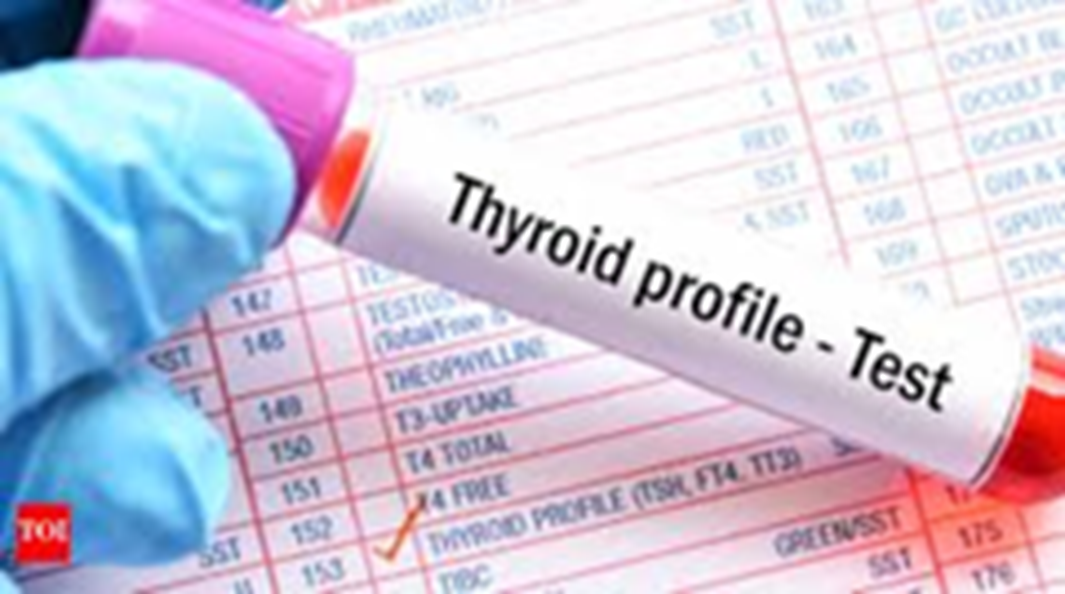
Symptoms of thyroid disease
Early Signs Of Thyroid In Women: The numbers in your blood report reveal a lot. After a routine health checkup, one often finds a line: TSH slightly elevated, but T3 and T4 normal. Doctors call this borderline; the patient doesn't feel much discomfort, and the report gets buried in the file. But thyroid problems are becoming more common in India. According to a multi-city study published in the Indian Journal of Endocrinology and Metabolism in 2014, approximately 1 in 10 adults in the country is affected by hypothyroidism, while 8 to 9 percent were found to have subclinical hypothyroidism. This figure is not insignificant. Let us explain it in detail.
What is the meaning of borderline?
Borderline thyroid means that TSH is slightly high or low, but T3 and T4 are within normal limits. This doesn't sound like a disease, but rather indicates a problem. Expert Dr. Vandana Boobhana told TOI that subclinical thyroid is quite common in India and is often overlooked because of the mild symptoms. The real danger lies not in a single report, but in changing trends over time.
Why is thyroid problems more prevalent in India? The country was previously considered iodine-deficient. The policy of adding iodine to salt improved the situation, but changes in iodine levels can affect autoimmune diseases. Autoimmune factors such as Hashimoto's thyroiditis, aging, pollution, obesity, and stress also play a role. Women are more affected than men. Pregnancy planning, pregnancy, postpartum changes, and perimenopause all cause hormonal fluctuations, increasing the need for thyroid hormones. An uncontrolled thyroid during pregnancy can be risky for both mother and baby.
Symptoms are not visible.
The biggest problem is that sometimes there are no obvious symptoms. Mild fatigue, weight gain, hair loss, or mood swings are considered normal. But subclinical hypothyroidism can progress to a serious illness over time, especially if thyroid antibodies are positive. The question arises: what should be done in such a situation? If your doctor advises, get tested again after 6 to 12 weeks. If necessary, get a thyroid antibody test. Take a balanced amount of iodine, and monitor your weight and menstrual cycle. Medication is not necessary in every borderline case; the decision is made based on age, symptoms, and pregnancy status.