LIFESTYLE
Teenage Pregnancy in Jharkhand: Why is teenage pregnancy on the rise in Jharkhand, and why are villages ahead of cities?
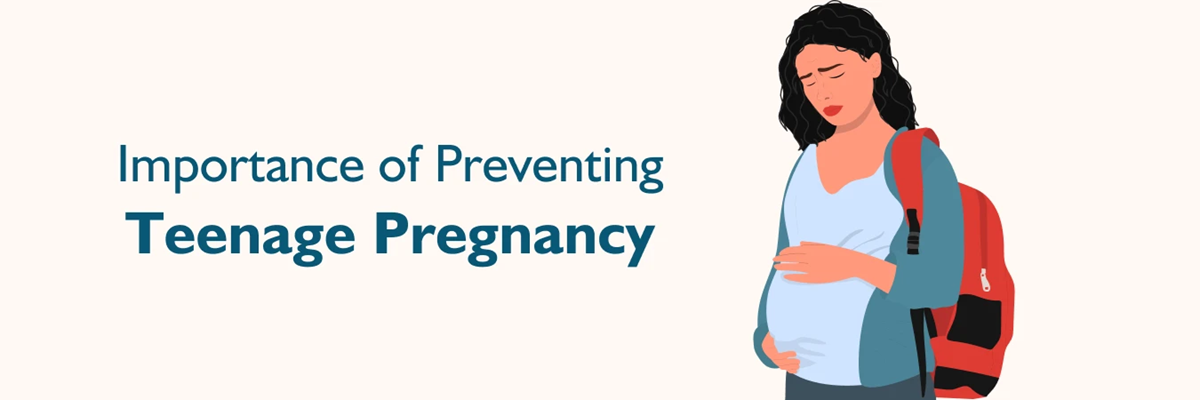
Teenage Pregnancy: In some tribal communities, the tradition of choosing a partner based on the girl's choice is prevalent. In some areas, a traditional live-in arrangement called "dhuku" is also prevalent.
Jharkhand teenage pregnancy
Jharkhand Teenage Pregnancy: The rising number of teenage pregnancies in Jharkhand is raising concerns. Problems such as early marriage, early pregnancy, and malnutrition among children persist in the state. According to data from the National Family Health Survey-6 (NFHS-6), the rate of teenage pregnancy in Jharkhand has increased from 9.8 percent to 11.7 percent. What is most worrying is that this figure is much higher in rural areas than in cities.
Teenage pregnancy is nearly three times more common in rural areas than in cities.
According to Dr. Kaninika Mitra, UNICEF's Jharkhand State Head, the teenage pregnancy rate in cities is 4.7 percent, while in rural areas it has risen to 13.3 percent. This represents a significant 8.6 percent difference. According to Dr. Kaninika, this disparity isn't just a problem of access to health services. Education, social norms, child marriage, and the current circumstances surrounding the future of adolescent girls also play a significant role.
The rate of child marriage in Jharkhand, which was 32 percent during NFHS-5, has declined to 28 percent in NFHS-6. However, experts say this decline is not as rapid as expected. According to UNICEF, 28 percent of child marriages in the state result in child pregnancy. While the national child marriage rate is around 20 percent, Jharkhand ranks fourth among the five states with the highest rates of child marriage.
After all, why are there more problems in villages?
There is a direct link between child marriage and early pregnancy. Early marriage increases the pressure on adolescent girls to become mothers early. However, experts say it would be inaccurate to consider child marriage as the sole reason. School dropout, safety concerns, limited employment opportunities, and social norms are also linked. Dr. Kaninika explains that the lack of easy access to secondary education in rural areas is a major problem. Many families find it difficult to send their adolescent girls to distant schools. Parents worry about their safety, and many families consider marriage as a way to ensure their safety.
Furthermore, families often find it easier to marry at an early age when the prospects for a better future or employment opportunities after education are unclear. In many communities, marriage is considered an essential milestone in a girl's life. Perceptions such as the lower cost of marriage and lower dowry costs at a young age also contribute to this trend.
The practice of 'Dhuku' is also a challenge in some tribal areas.
In some tribal communities, there is a tradition of choosing a life partner based on the choice of the girl or boy. Traditional live-in arrangements called "Dhuku" are also prevalent in some areas. According to experts, these traditional arrangements in some tribal areas make it difficult for adolescent girls to access essential health services related to pregnancy and motherhood. They often learn about their pregnancy late, thus missing important antenatal checkups and not receiving timely nutrition, iron-folic acid, and other essential medications.
Anemia increases the risk.
Anemia is also a major health challenge among adolescent girls in Jharkhand. According to reports, approximately 65 percent of adolescent girls in the state suffer from anemia. In such a situation, pregnancy at an early age further increases health risks. Adolescent girls' bodies are not fully developed, and a lack of regular medical monitoring during pregnancy can increase problems for both mother and child. Inadequate nutrition during pregnancy can impact a child's development. This can increase the risk of IUGR (growth retardation), low birth weight, and premature delivery. In severe cases, a child's development and learning ability can also be affected.
Teenage women who conceive at a young age may also be at increased risk for complications such as anemia, high blood pressure, and pre-eclampsia. In some cases, gestational diabetes may also develop. The risk of complications during delivery increases due to the body not being fully developed.
The number of underweight children has also increased in Jharkhand.
According to NFHS-6 data, the number of underweight children under five in Jharkhand has increased from 39.4% to 41.1%, rather than decreasing. This figure is the highest among all states in the country. Meanwhile, 22.3% of children suffer from wasting, or acute malnutrition. Doctors say that early pregnancy and anemia among adolescent girls are also affecting children's health.
The government launched a new strategy.
The health department no longer wants to limit itself to screening during pregnancy and institutional delivery. The department has also emphasized pre-pregnancy health checkups for women. Under the Safe Motherhood Assurance 2030, a pre-conception care initiative has been launched. This involves assessing a woman's health and identifying potential risks before pregnancy. Through Sahiya, women planning to conceive are identified and referred to CHOs and ANMs, where they are screened for risk factors such as blood counts, diabetes, high blood pressure, sickle cell disease, and teenage pregnancy.