LIFESTYLE
Bathroom Ceiling Peeling: Is the paint peeling off your bathroom ceiling? Learn the right way to fix it.
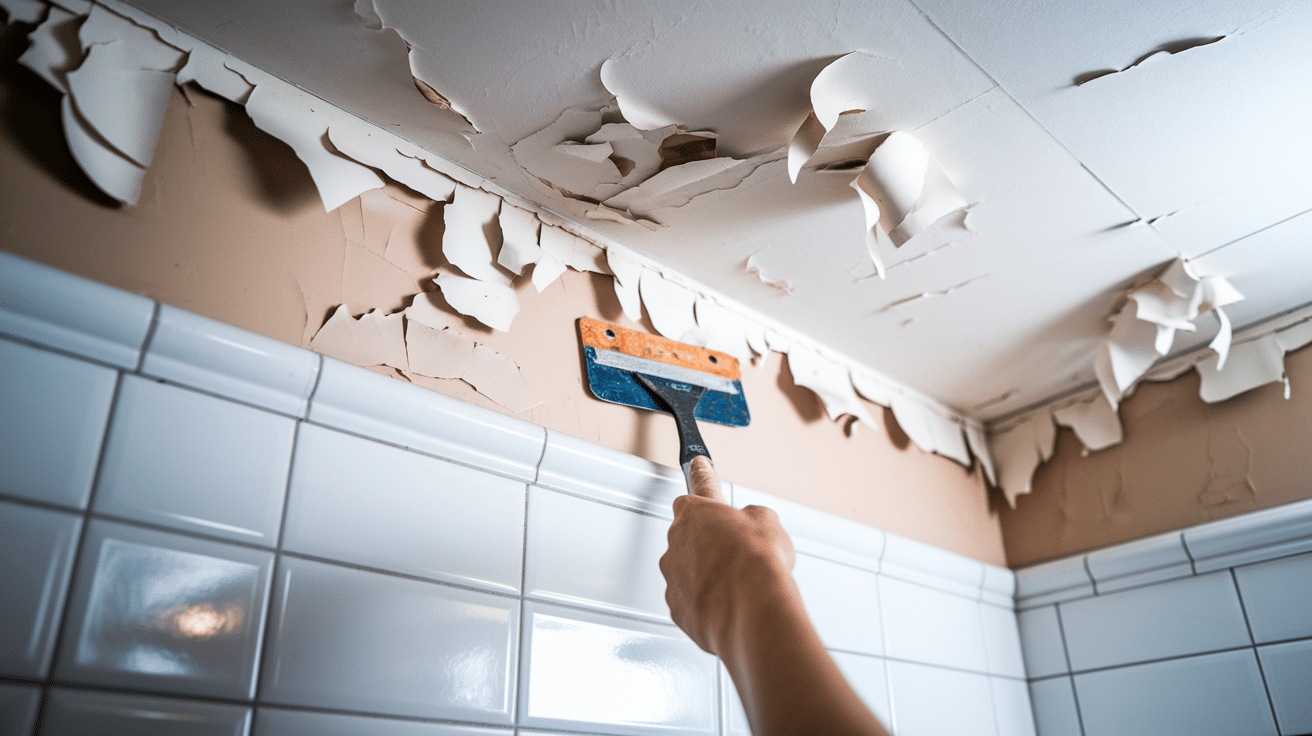
Home Painting Tips: Bathroom ceilings are most often damaged by moisture and steam. After a hot shower, the room's warm, moist air collides with the cool ceiling, causing moisture to accumulate.
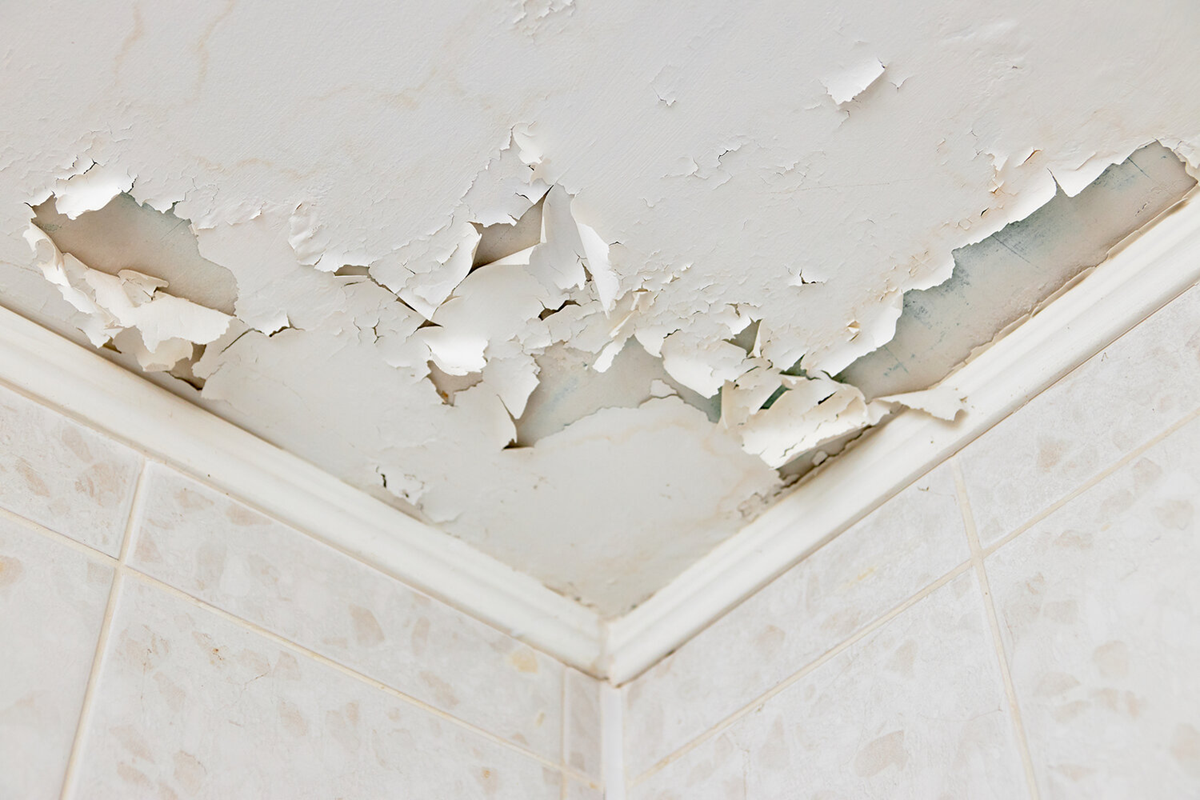
Bathroom ceiling paint peeling
Moisture-Resistant Ceiling Paint: Peeling paint on a bathroom ceiling may seem like a minor problem at first, but if left unattended, it can gradually damage a significant portion of the ceiling. Slight bubbles forming in the paint above the shower, peeling paint near the exhaust fan, or paint flaking off when touched can be early signs. Simply applying new paint over the ceiling isn't the right approach.
Why does paint peel off on bathroom ceiling?
Bathroom ceilings are most often damaged by moisture and steam. After a hot shower, the warm, humid air in the room collides with the cool ceiling, causing moisture to accumulate. Poor ventilation in the bathroom can cause this moisture to persist for extended periods. Furthermore, a layer of soap, hairspray, dirt, or mold on old paint also prevents new paint from adhering properly. Failure to prime new plaster or filler can also lead to paint fading.
First, find out the cause of the problem.
Before repairing paint, it's important to determine the cause. If the paint is peeling directly above the shower or bathtub, if the room remains steamy for extended periods, or if black mold stains appear on the ceiling, moisture could be the culprit. If there's a water leak above the ceiling, it's important to fix that problem first. Applying new paint over persistent moisture could cause the problem to recur.
Remove loose and peeling paint.
Once you've identified the cause of the problem, the most important step is to remove loose paint from the ceiling. Use a scraper to remove any peeling, flaking, or weakened paint. Instead of just removing the visible surface, it's best to remove the paint where it's weak. Then, sand the edges thoroughly to ensure there's no visible line between the old and new areas. If the peeling paint has caused pits or uneven areas on the ceiling, you can apply a suitable filler. After the filler dries, sand the surface to smooth it out.
Clean the ceiling before painting.
A bathroom ceiling may appear clean, but it may still have soap scum, dirt, or other residue. Therefore, before painting, thoroughly clean the surface and allow it to dry completely. If there is mold on the ceiling, clean and treat it properly first. Painting directly over the mold will not eliminate the problem. It's also important to allow the ceiling sufficient time to dry after cleaning.
Don't forget to apply the right primer
Primer is crucial for paint adhesion. Where the surface has become weak or flaky after scraping off old paint, a primer like Zinsser Peel Stop can be used. It helps bind weak edges and stabilize the surface. For a good adhesion to a clean and prepared surface, Zinsser Bull's Eye 1-2-3 may be an option, especially if you're unsure of the type of paint previously applied to the ceiling.
If your ceiling has stains from water, nicotine, or other sources, a different type of stain blocker may be needed. Simply applying a standard primer may not be appropriate in these cases.
Choose the right paint for your bathroom.
After priming, choose a paint that can best handle humid and steamy environments. Paints designed for high-humidity areas, such as Zinsser Perma White Interior, may be an option. More durable finishes, such as Johnstone Trade Acrylic Durable Matte or Acrylic Eggshell, can also be used. Which finish is best depends on the bathroom's condition and your preferences.
How to complete the paint job?
The easiest way to do this is to first remove any peeling paint. Then, sand the edges and apply filler if necessary. Clean the surface thoroughly and let it dry completely. Then, apply the appropriate primer and two coats of bathroom-appropriate paint. Painting isn't the end of the job. To ensure long-lasting fresh paint, it's also important to pay attention to bathroom ventilation.
Do not allow steam and moisture to accumulate.
Constant steam buildup in the bathroom can also affect new paint. Therefore, run the exhaust fan during and after showering. If possible, open a window and wipe away any excess moisture from the ceiling or walls.