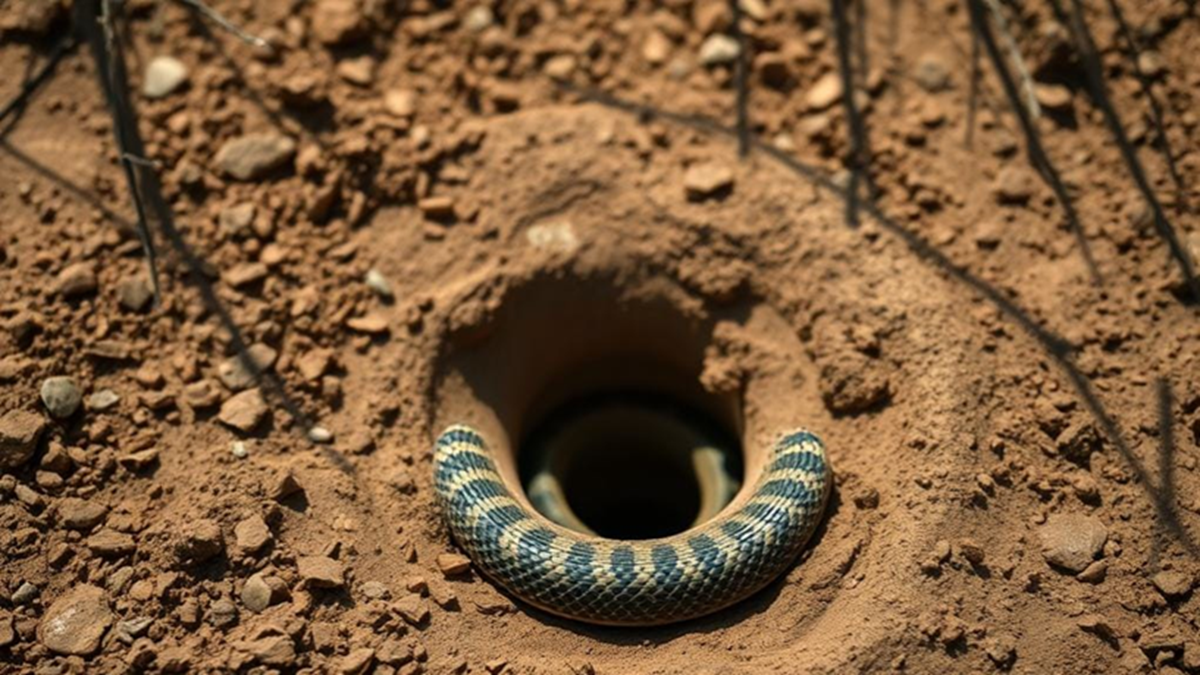
Snake-Proof Home: Due to continuous rain, burrows and underground spaces get filled with water, due to which snakes go out in search of a safe and dry place.
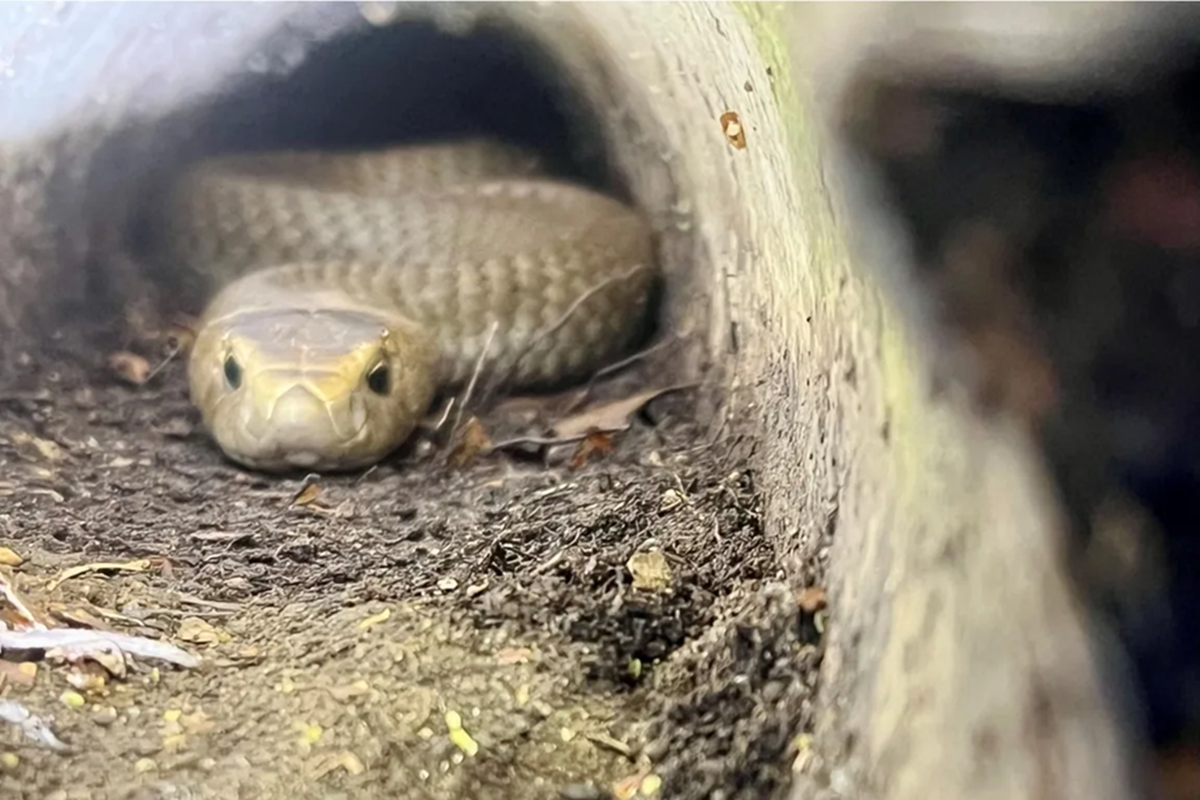
Protection from snakes during the rainy season
How To Keep Snakes Away In Monsoon: While the monsoon season brings greenery and coolness, the incidence of snakes being seen around homes also increases during this time. Due to continuous rain, burrows and underground spaces get filled with water, due to which snakes go out in search of safe and dry places. This is the reason why they sometimes reach homes, gardens, balconies or terraces. Experts say that snakes do not come into homes to attack humans, but are attracted by food, water and safe hiding places. In such a situation, this danger can be reduced to a great extent by taking some simple precautions.
Do not allow waste to accumulate in the house and balcony.
During the rainy season , old pots, bricks, wood, pipes, cardboard boxes, and dry leaves often accumulate on rooftops, balconies, or gardens. All of these places can become safe havens for snakes. Therefore, clean them regularly and remove unnecessary items. If you have plants on your balcony or terrace, keep the area around them clean and prevent excessive grass or vines from growing.
Close the entrances to the house.
Even small holes and cracks can become a breeding ground for snakes. Check areas like gaps under doors, cracks in walls, openings around plumbing, drainage outlets, and ventilation openings. Apply sealant where needed and install a sturdy mesh over the drain or vent. If there is an open drainage pipe on the roof, it's also advisable to cover it with fine wire mesh.
Do not allow water to accumulate
It's common for water to accumulate in potting trays, buckets, tires, or other containers during the rainy season. This not only breeds mosquitoes but also attracts frogs and insects. Since snakes prey on these creatures, they're more likely to frequent such areas. Empty potting trays after rain, repair leaks, and ensure water doesn't remain stagnant for long periods.
Cut tree branches and vines on time
If tree branches reach your balcony or terrace, or if dense vines are growing on your walls, trim them periodically. Many snake species can climb up rough surfaces, pipes, tree branches, and vines. Therefore, try to ensure that no branches or vines touch the railings or walls of your house.
Prevent rats and other pests from breeding around the house
According to experts, snakes are more likely to visit areas where they can easily find food. If there are a large number of rats, frogs, or large insects around your home, the likelihood of snakes arriving increases. Avoid leaving pet food out in the open, keep trash cans covered, remove fallen fruit promptly, and address any rat problems promptly. When food sources are scarce, snakes will be less attracted to the area.
Take care of the lighting too.
Bright white light, left on all night, attracts large numbers of insects. Frogs and other small creatures then arrive, and snakes may follow. Therefore, using yellow LEDs or motion sensor lights for outdoor lighting is a better option. This provides light when needed and reduces insect movement throughout the night.
Do not rely solely on home remedies.
People often consider garlic, neem leaves, clove oil, tobacco, or naphthalene balls to be effective snake repellents. However, scientific evidence regarding their effectiveness is limited. Therefore, use them as an additional precaution rather than as a primary safety measure. If you keep naphthalene balls, keep them away from children, pets, and food and drinks.