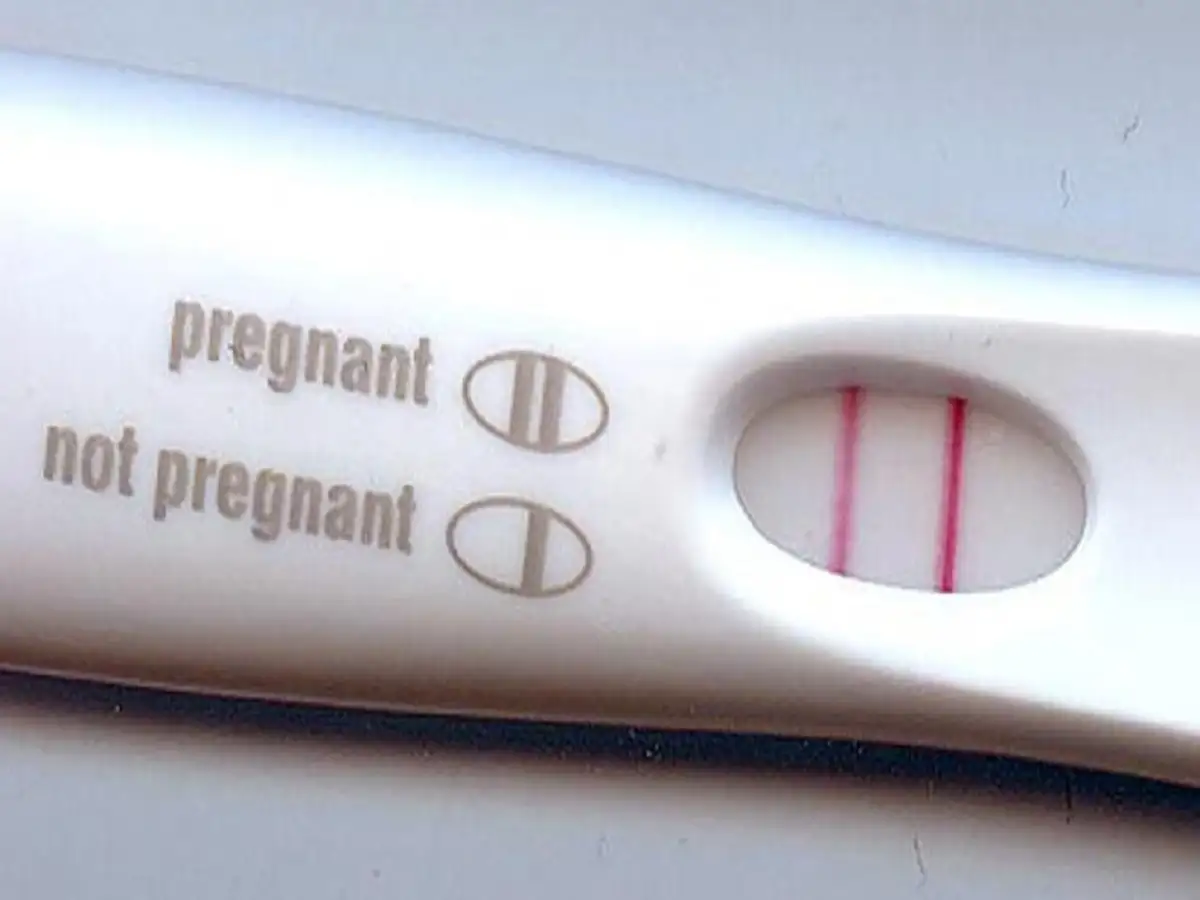
A positive pregnancy test marks the beginning of an exciting new chapter. From the earliest weeks of pregnancy, a mother's diet and lifestyle play a crucial role in supporting the baby's growth and protecting her own health. During the first trimester, the baby's brain, spinal cord, and major organs begin to develop, making proper nutrition especially important.
If you've recently found out you're pregnant, here's a guide to the foods that can support a healthy pregnancy—and the ones it's best to limit or avoid.
Start Eating a Balanced Diet From the Beginning
The first few weeks of pregnancy are critical for fetal development, even before a visible baby bump appears. Eating a well-balanced diet provides essential nutrients that help support healthy growth while meeting the mother's increased nutritional needs.
A healthy pregnancy diet should include a variety of foods from different food groups rather than relying on any single "superfood."
Nutrient-Rich Foods to Include Every Day
Try to include these nutritious foods in your daily meals:
- Fresh green leafy vegetables.
- Seasonal fruits.
- Lentils, beans, and other legumes.
- Milk, yogurt, and cheese (made from pasteurized milk).
- Nuts and seeds.
- Protein-rich foods such as eggs, fish, lean meat, tofu, or soy products, depending on your dietary preferences.
- Whole grains such as oats, brown rice, and whole-wheat products.
Eating a colorful and varied diet helps ensure you receive a wide range of vitamins and minerals.
Key Nutrients During Pregnancy
Certain nutrients are especially important during pregnancy.
Folic Acid
Folic acid supports the early development of the baby's brain and spinal cord and helps reduce the risk of neural tube defects. It is often recommended before conception and during early pregnancy.
Iron
Iron helps prevent anemia and supports the production of healthy red blood cells, ensuring adequate oxygen reaches both mother and baby.
Calcium
Calcium is essential for the development of the baby's bones and teeth while also helping maintain the mother's bone health.
Protein
Protein supports the growth of the baby's tissues, muscles, and organs and is important throughout pregnancy.
Your healthcare provider may also recommend prenatal vitamins to help meet nutritional requirements.
Foods and Habits to Avoid
Just as important as eating nutritious foods is avoiding substances that may increase health risks during pregnancy.
Experts generally recommend limiting or avoiding:
- Deep-fried and heavily processed foods.
- Packaged snacks high in salt, sugar, or unhealthy fats.
- Excessive tea, coffee, and other sources of caffeine.
- Alcohol.
- Smoking and exposure to secondhand smoke.
- Medications or dietary supplements unless prescribed or approved by your healthcare provider.
In addition, avoid foods that may increase the risk of foodborne illness, such as raw or undercooked meat, raw seafood, unpasteurized dairy products, and raw eggs.
Stay Hydrated and Eat Small, Frequent Meals
Pregnancy can sometimes cause nausea, vomiting, heartburn, or reduced appetite, especially during the first trimester.
These tips may help:
- Drink plenty of water throughout the day.
- Eat smaller meals at regular intervals instead of large meals.
- Choose healthy snacks between meals if needed.
- Include fiber-rich foods to help reduce constipation.
Good hydration also supports digestion and overall well-being.
Stay Physically Active Safely
For most women with uncomplicated pregnancies, regular physical activity can provide several benefits.
After discussing it with your healthcare provider, you may consider:
- Gentle walking.
- Prenatal stretching.
- Pregnancy-safe yoga or low-impact exercises under professional guidance.
Avoid high-impact workouts, contact sports, or strenuous exercise unless specifically advised by your doctor.
Because every pregnancy is different, your exercise routine should always be tailored to your individual health and pregnancy status.
When Should You Consult Your Doctor?
Contact your healthcare provider if you experience:
- Severe nausea or vomiting that prevents eating or drinking.
- Vaginal bleeding.
- Severe abdominal pain.
- Persistent dizziness or fainting.
- Fever or signs of infection.
- Difficulty eating due to ongoing pregnancy symptoms.
Regular prenatal check-ups are also essential to monitor both maternal and fetal health.
The Bottom Line
A positive pregnancy test is the first step toward a healthy pregnancy, and good nutrition plays a vital role from the very beginning. A balanced diet rich in fruits, vegetables, whole grains, protein, calcium, iron, and folic acid can support your baby's growth while helping maintain your own health.
At the same time, avoiding alcohol, smoking, excessive caffeine, unsafe foods, and self-medication can reduce potential risks during pregnancy. Always follow your obstetrician or healthcare provider's advice regarding diet, supplements, and physical activity, as every pregnancy has unique nutritional and medical needs.