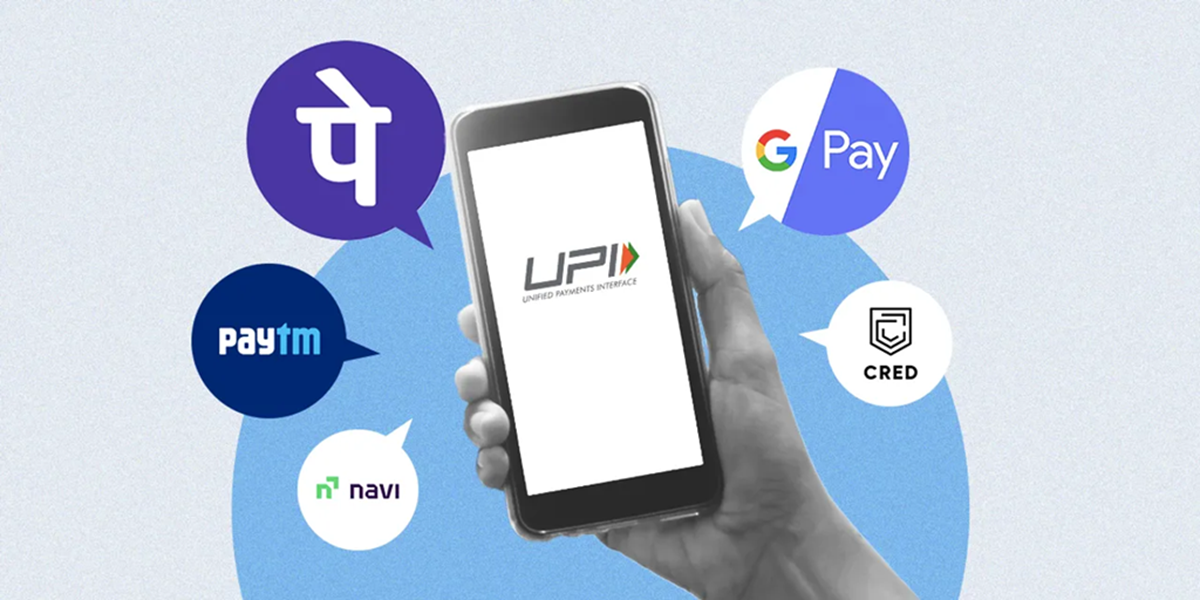
Smartphone Data Privacy: Today, most people use smartphones for online banking, UPI, digital wallets, and shopping.

(Smartphones are becoming a growing threat)
Smartphone Data Privacy: Smartphones have significantly simplified people's workflows. However, concerns about data privacy have also increased. With advancing technology, cybercriminals are also employing innovative methods to defraud people. Furthermore, cyberattacks have increased significantly, posing a threat to people's privacy. In this context, it's worth noting that if a smartphone is lost or hacked, not just your device, but your entire digital life can be at risk.
Cybersecurity company Kaspersky's Asia-Pacific (APAC) survey report reveals that smartphones in India are rapidly becoming digital vaults. However, security measures haven't strengthened as quickly as their growing use.
The danger increases due to these reasons
It's worth noting that most people today use smartphones for online banking, UPI, digital wallets, and shopping. Consequently, bank-related information is also stored on their phones. Reports indicate that approximately 38 percent of Indian users store banking details on their phones, while 34 percent also store passwords or login credentials on their mobile phones. This is why cybercriminals are now considering smartphones the easiest target for attacks.
According to experts, malware like Rewardsteal and Thamera are trying to trick people in India through apps offering fake cashbacks, rewards, and offers. Many users unintentionally grant the apps necessary permissions, putting their data at risk.
Smartphone is the biggest companion in the country.
According to the report, approximately 60 percent of Indians rely heavily on smartphones for internet access. Previously, people stored information in laptops, files, or diaries. However, in the age of smartphones, most people now store most of their information on their devices. According to the survey, Indian users store a significant amount of private information on their smartphones, significantly increasing the risk of data leaks.
Office work is now also done on mobile.
It's worth noting that smartphones are no longer limited to personal use. People are increasingly using them for office work as well. They use their mobile phones to read work emails, access files, and log into company systems.
According to the report, approximately 48 percent of Indian users keep their work email on their phones, while 27 percent access their work network directly from their mobile phones. Therefore, if a phone is hacked, personal data as well as private company information could be leaked.
Social media is also increasing the risk
In fact, smartphones contain not only important documents but also social media accounts, chat history, music, movies, e-books, and gaming accounts. This means that virtually every piece of information related to a user's financial, social, professional, and personal life is contained within a single device. This is why smartphones have become an easy target for cybercriminals.
How to keep your smartphone safe
While most smartphones have become digital vaults these days, you can still keep your phone secure by keeping a few important things in mind.
- Download apps only from official app stores.
- Do not give extra permissions to any app without need.
- Keep passwords and banking information in a secure password manager.
- Keep taking backup of the phone from time to time.
- Always keep features like screen lock, biometric security and Find My Device on.
- Use a reliable mobile security app and keep your phone updated from time to time.
Smartphones are no longer just a gadget, but the center of our entire digital identity. Bank information, identity cards, office data, personal moments, and even AI chats are stored within them. Therefore, taking mobile security lightly can be a major mistake.