LIFESTYLE
Slippers at Home Benefits: Is it right to walk wearing slippers at home, know what research says?
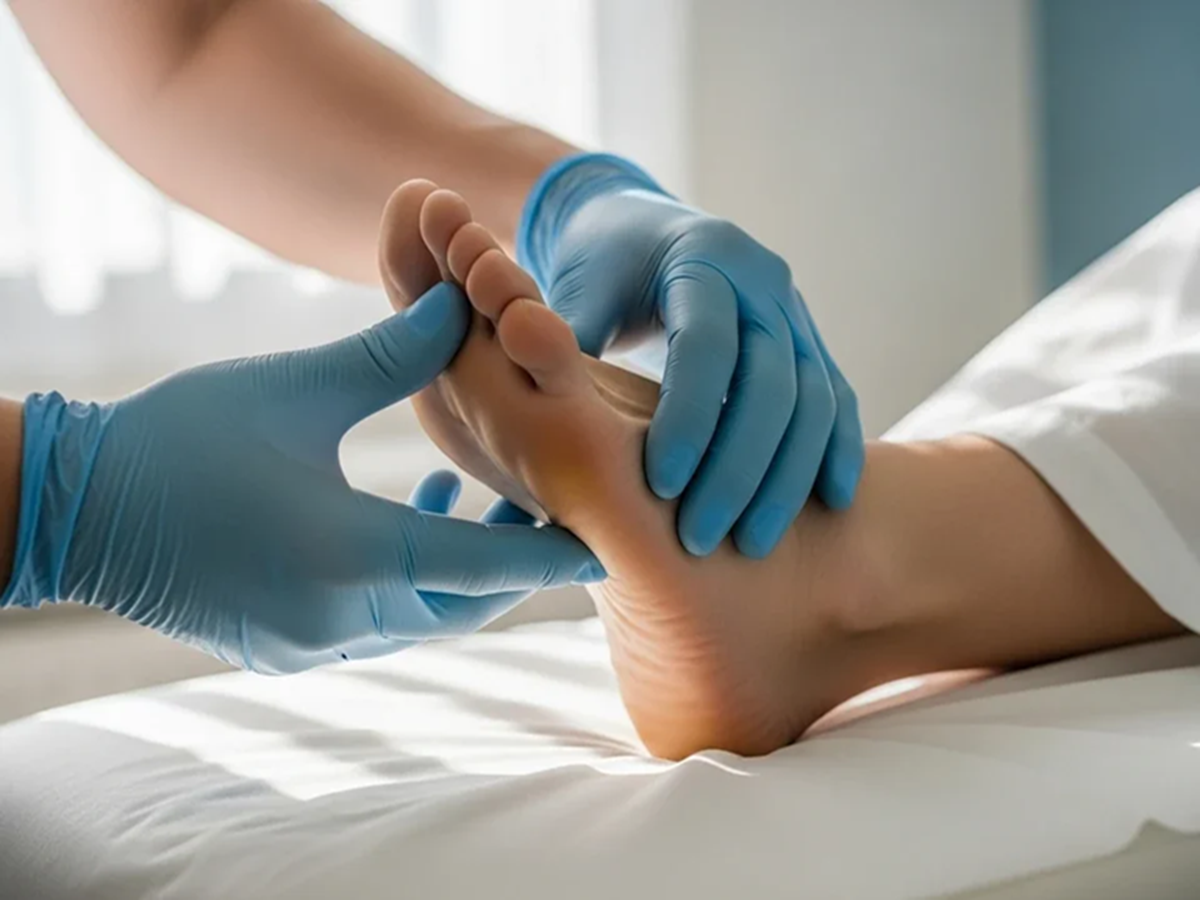
Plantar Fasciitis: Should you wear slippers or is it better to go barefoot? This question arises in almost every household at some point. Some people believe that walking barefoot is beneficial for the feet.
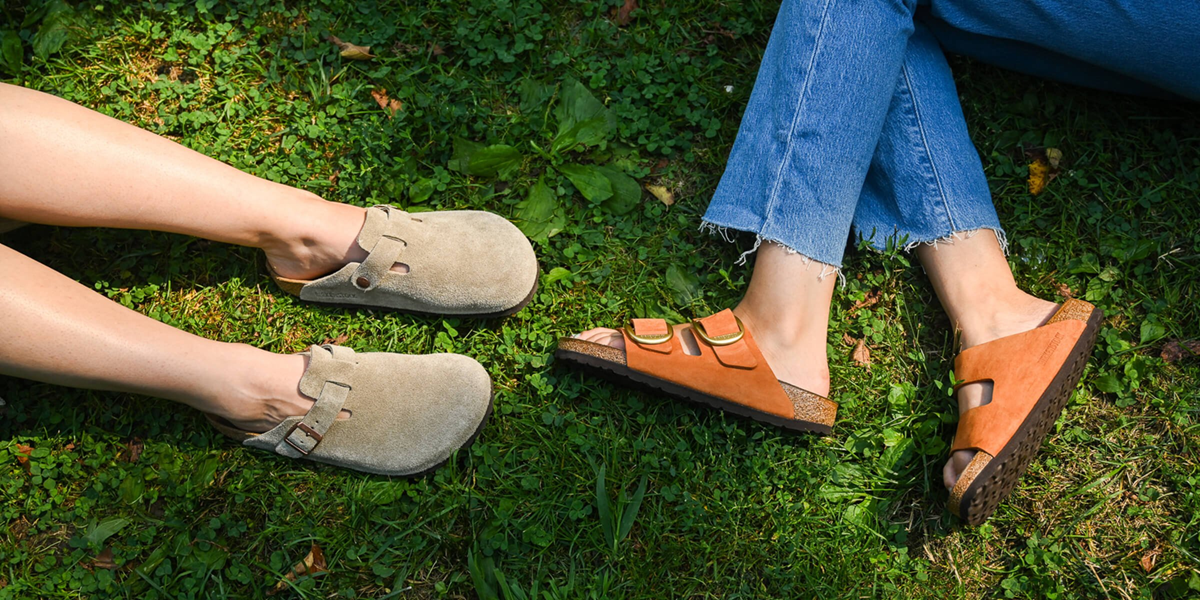
Walking barefoot at home or wearing slippers
Walking Barefoot Vs Wearing Slippers At Home: Should one wear slippers at home or is it better to remain barefoot? This question arises at some point or the other in almost every household. Some people believe that walking barefoot is beneficial for the feet, while many people advise wearing slippers even inside the house. In recent years, many researches have been done on this subject and experts believe that the answer to this cannot be given in a complete 'yes' or 'no'. The real thing depends on the type of surface you walk on and your health.
Walking barefoot strengthens the leg muscles
Research shows that walking barefoot from time to time activates the small muscles in the feet. This strengthens the grip of the feet, provides better support to the arches, and increases the strength of the fingers. Strong feet help maintain balance and reduce fatigue during long periods of walking or standing.
The floor of the house also matters
However, this benefit is greater when you walk barefoot on grass, soil, or natural surfaces. Most homes in India have hard floors made of marble, tiles, or cement. Walking barefoot on such surfaces for long periods of time can put additional pressure on the heels and arches of the feet. According to the health information organization Cleveland Clinic, this can increase the risk of problems for those who already have plantar fasciitis, flat feet, or heel pain.
The right sandal provides support not just to the feet but to the entire body.
According to experts, wearing good-quality supportive slippers distributes body weight evenly across the feet. This reduces shock to the feet, which benefits the ankles, knees, hips, and waist. Especially for those who work at home while standing for long periods of time, slippers with arch support can be helpful in reducing back and foot pain.
Walking barefoot is beneficial for balance and body control
Research has also found that walking barefoot improves the body's proprioception, the ability to sense one's position. This improves balance, gait, and body control. In young people, it may also help maintain better posture and coordination. Therefore, walking barefoot for a short period of time is considered beneficial for maintaining the feet's natural abilities.
Not every slipper is beneficial
If you think any rubber slipper is enough, it's not. Thin slippers without arch support and cushioning can sometimes be more harmful than walking barefoot. These slippers don't provide adequate support to the feet and, if worn for long periods, can lead to pain, imbalance, and an increased risk of falls. Therefore, choose slippers for home that have good cushioning and arch support.
Diabetic patients should not walk barefoot.
Walking barefoot indoors can be risky for people with diabetes. Often, due to reduced sensitivity in the feet, minor injuries, cuts, or scrapes can go unnoticed. This minor injury can later develop into a serious infection. For this reason, doctors and foot health experts advise diabetic patients to always wear safe and comfortable footwear, even indoors.
Do house slippers also protect from infection?
Just because your home's floors look clean doesn't mean they're completely germ-free. Dust, moisture, and bacteria and fungus from outside can linger on the floor. Staying barefoot for extended periods can increase the risk of fungal infections or conditions like athlete's foot. Wearing clean, comfortable slippers indoors provides additional protection.
So what is the best way?
Based on research, experts believe that a balanced use of both barefoot and slippers may be the best option. If the floor is clean and you walk barefoot for a short period of time, it strengthens the foot muscles. Meanwhile, wearing good-quality, supportive slippers while working at home or walking on hard floors for long periods of time is considered more beneficial for protecting the feet and joints.