NEWS
Silver News: After gold, now there is strictness on silver, the government has changed this big rule, now anyone can...
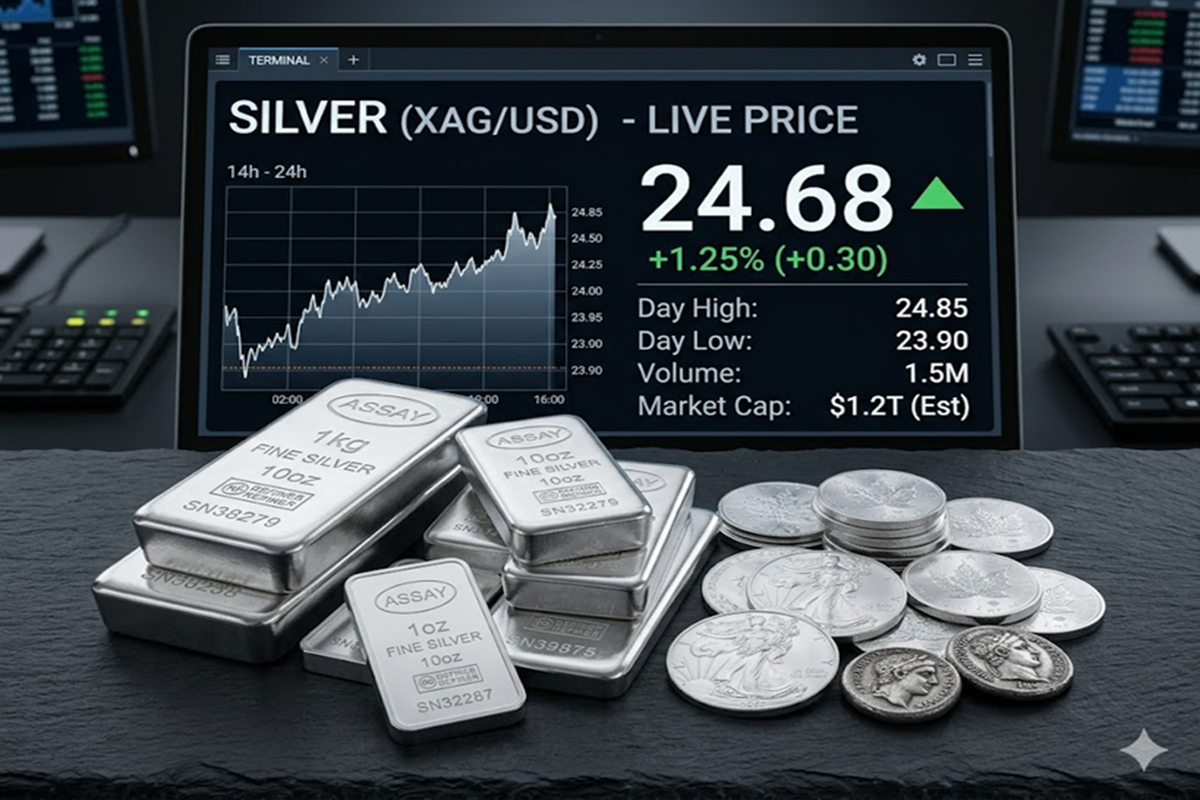

Silver Import News: The central government has recently made a major decision regarding the silver trade, changing the rules. Now, no trader can import silver bars directly from abroad. Find out why this rule has been changed.
The government has changed this important rule on the import of silver.
Silver Bar News: The government is making new rules every day regarding gold and silver. First, it increased the import duty on gold and silver, and now it has taken a major decision regarding the silver trade. The central government has further tightened its restrictions on silver imports. Learn about the new rules.
The Directorate General of Foreign Trade (DGFT) today removed two silver bar codes, 71069221 and 71069229, from the free category and placed them in the prohibited category. This means that no trader can now import silver bricks directly from abroad.
Now, silver will come only through three routes.
- Reserve Bank of India (RBI) designated banks
- Designated Agencies of DGFT
- Or qualified jewellers approved by the International Financial Services Centre Authority (IFSA), who will import through the India International Bullion Exchange (IIBX).
The decision has come into effect immediately.
This decision is effective immediately. This move comes just four days after the government increased the import duty on gold and silver from 6 percent to 15 percent.
It is worth noting that India imported $9.2 billion worth of silver in 2025, a 44 percent increase from 2024. Silver prices have also nearly tripled in a year to reach over Rs 2.43 lakh per kg.
The government wants to reduce silver imports in every way.
The trade deficit is also at a record $333 billion, and the rupee is under severe pressure. This is why the government is keen to reduce silver imports by any means necessary. Last week, Prime Minister Narendra Modi appealed to citizens not to purchase gold for a year to prevent foreign exchange expenditure.