LIFESTYLE
Silver Cleaning Tips: Are your silverware turning black? Here's how to restore its shine at home
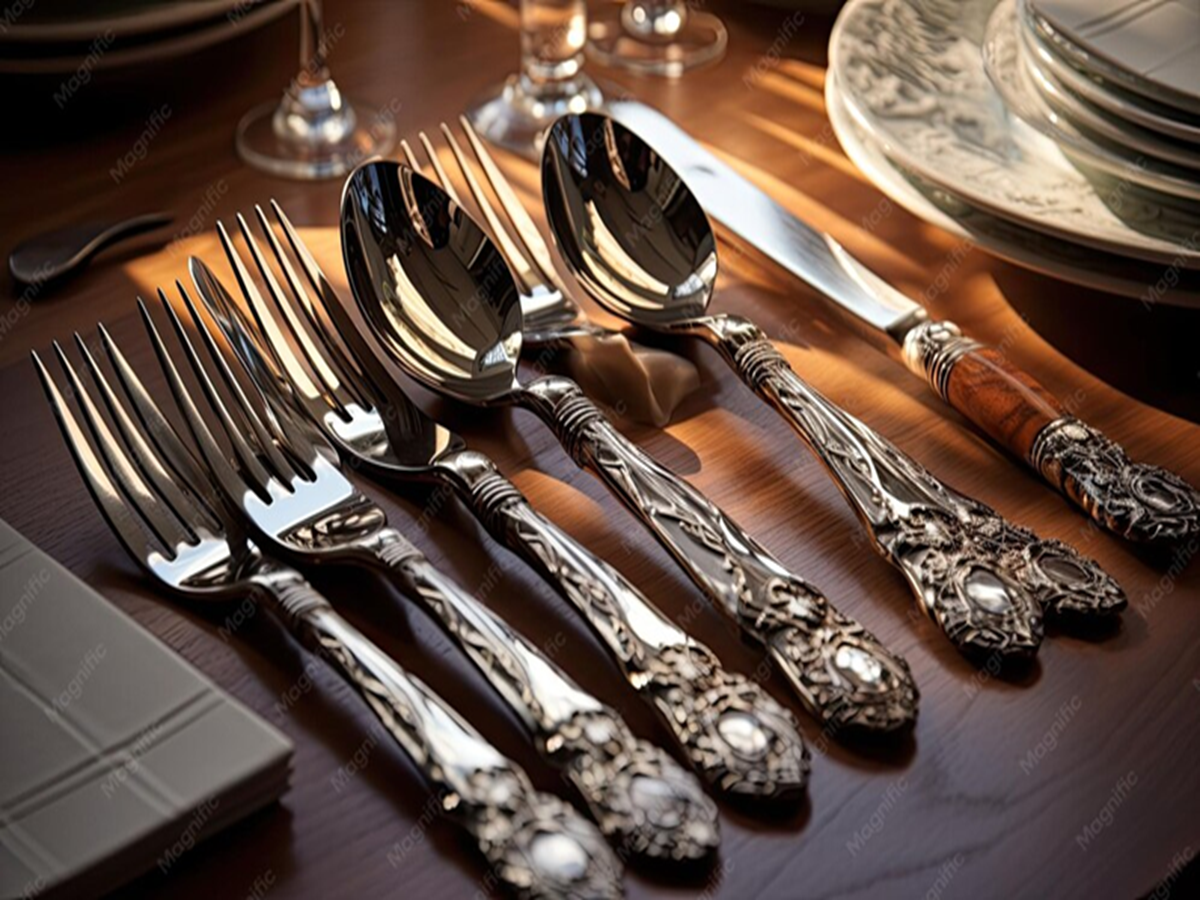
Blackened Silver Utensils: Silver utensils are incredibly beautiful because of their luster. In many homes, silver bowls, glasses, spoons, and utensils used in worship are treasured for years.
Methods for cleaning silverware
Silver Utensils Cleaning: Silver utensils kept at home look very beautiful because of their shine. In many homes, silver bowls, glasses, spoons and utensils used in worship are kept carefully for years. But due to long storage or continuous use, the shine of silver gradually starts decreasing. Sometimes the utensils become so black that it seems difficult to restore their old shine. However, there is no need to take them out every time for cleaning. Blackness on silver can be removed with the help of some things present in the house and the right method.
Silver tarnishing isn't just caused by dirt buildup. Tarnish develops on the silver surface when it comes into contact with sulfur compounds in the air. This is why it appears dark or dull over time. It's also advisable not to scrub too hard when cleaning, as this can scratch the surface.
Soap and warm water for light stains
If the silverware isn't too dark and only has fingerprints, dust, or light grease, a mild soap and water method can be used first. Fill a container with lukewarm water and add a few drops of mild dishwashing liquid. Gently clean the silverware using a soft sponge or cloth. After cleaning, rinse thoroughly with clean water and dry immediately with a soft cloth. Avoid allowing water to accumulate, especially on silverware with designs or grooves. Prolonged moisture can affect the luster. Regular, light cleaning can also reduce the likelihood of a thick, black layer forming on the silver.
Remove blackness with aluminum foil
For heavily tarnished silverware, you can use the aluminum foil method. Line a container with aluminum foil and pour hot water into it. Dissolve washing soda in it. Then, place the silverware in such a way that it is in contact with the aluminum foil. Leave it there for a few minutes. This process helps remove the tarnish. Afterward, remove the utensil and rinse it thoroughly with clean water and dry it immediately. If the utensil appears slightly dull, you can gently polish it with a soft cloth. Keep in mind that washing soda and baking soda are different things. In this method, washing soda is used.
Calcium carbonate for severe dark spots
If the tarnish on silver persists even after regular cleaning, you can use very fine precipitated calcium carbonate, or pure fine chalk powder. Mix a little water to form a thick, smooth paste. Gently apply this paste to the silver surface with a soft cloth. It's best to scrub gently in a straight direction rather than using circular motions. After cleaning, rinse the container thoroughly and dry it immediately. Avoid using regular chalk powder as an alternative, as the coarse particles present can leave fine scratches on the silver surface.
Keep these things in mind while cleaning.
The way you handle silverware when cleaning it also matters. Natural oils and sweat on your hands can leave marks on the silver surface. Therefore, clean cotton gloves should be used when cleaning highly valuable silver items. It's best to avoid rubber or latex gloves. If silverware has handles made of wood, bone, or any other material, don't immerse it completely in water. Similarly, it's not advisable to soak utensils with hollow parts or glued designs in water for long periods of time. Moisture can become trapped inside them, making it difficult to dry completely later.