NEWS
RBI Exploring Polymer Currency Notes: Could Durable Plastic Banknotes Soon Replace Paper Money?
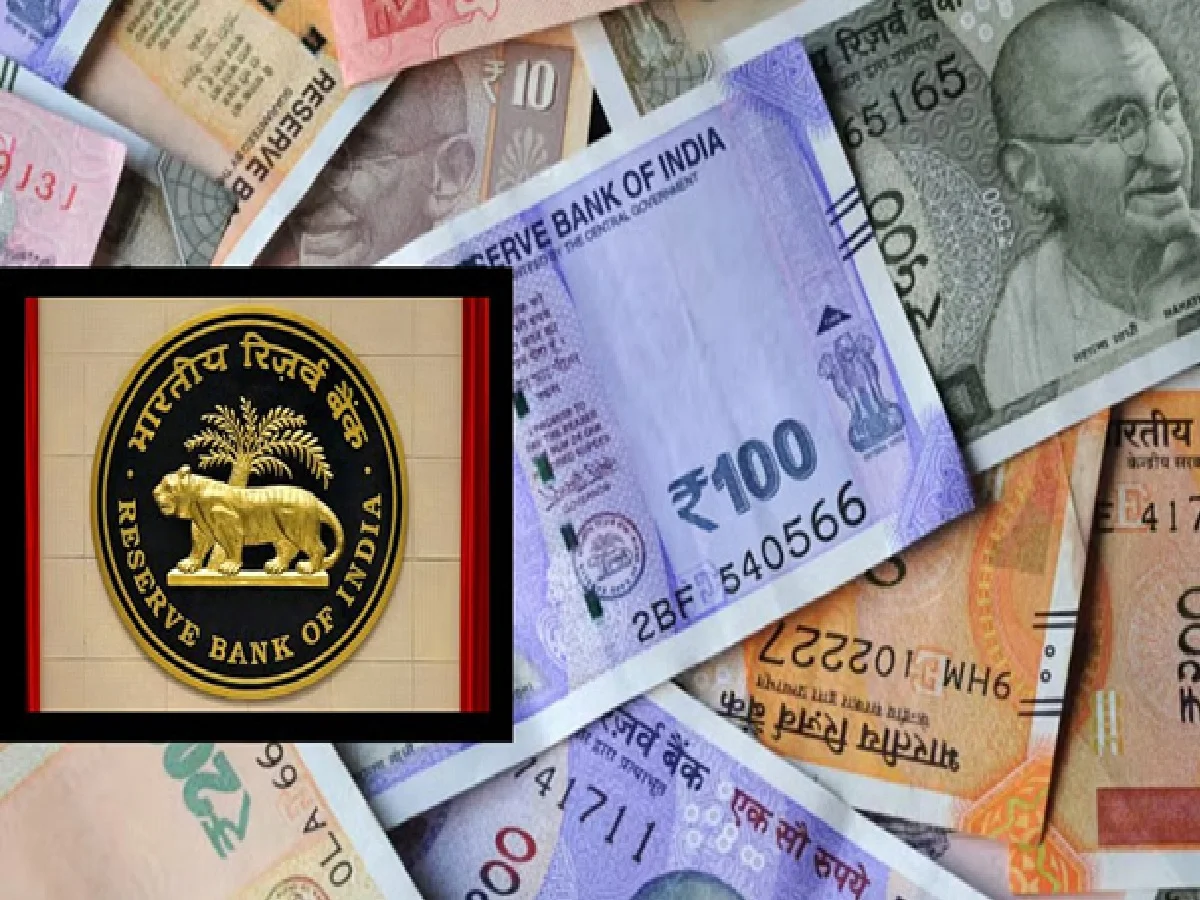
India may be on the path toward introducing a new generation of currency notes as the Reserve Bank of India (RBI) reportedly evaluates the possibility of issuing polymer-based banknotes. The move is being considered as part of broader efforts to improve the durability of currency while reducing long-term printing and replacement costs.
According to reports, the proposal has been discussed during recent RBI board meetings, where officials reviewed the potential benefits and challenges of shifting from traditional paper currency to polymer notes. While no final decision has been announced, the central bank is said to be examining the feasibility of launching a pilot project in the near future.
What Are Polymer Notes?
Polymer notes are banknotes made from a special type of plastic material rather than cotton-based paper. These notes are already used in several countries, including Australia, Canada, New Zealand, and the United Kingdom.
Unlike conventional paper currency, polymer notes are designed to withstand wear and tear more effectively. They are resistant to moisture, dirt, and accidental damage, making them suitable for long-term circulation.
Because of their durability, polymer banknotes generally remain in use much longer than paper notes before needing replacement.
Why Is RBI Considering Polymer Currency?
One of the biggest challenges associated with paper currency is its relatively short lifespan. Notes often become torn, faded, dirty, or damaged due to frequent handling, especially in a country with a large cash-based economy.
As a result, banks and currency management authorities must continuously replace damaged notes, leading to significant printing and logistics expenses.
Reports suggest that RBI is exploring polymer notes because they could offer several advantages:
- Longer circulation life compared to paper notes
- Reduced replacement and printing costs over time
- Better resistance to water, humidity, and physical damage
- Improved security features to combat counterfeiting
- Cleaner appearance even after extended use
By increasing the lifespan of each note, the central bank could potentially lower the overall cost of maintaining the country's currency supply.
Will Plastic Notes Be Compatible With ATMs?
One concern often raised whenever a new currency format is proposed is whether existing banking infrastructure can handle it.
According to reports, the proposed polymer notes are expected to be compatible with current ATM and cash-handling systems. Financial institutions and currency-processing machines can be adapted to accommodate polymer banknotes, minimizing disruptions if the new notes are introduced.
This compatibility is considered a key factor in evaluating the practicality of the proposal.
Pilot Project May Be the First Step
Before implementing any nationwide currency change, RBI is likely to conduct a pilot program to assess performance under real-world conditions.
Such a trial would help authorities evaluate factors including note durability, public acceptance, operational efficiency, printing costs, and compatibility with banking infrastructure.
The pilot could also provide valuable data on how polymer notes perform in India's diverse climate conditions, ranging from extreme heat and humidity to cold weather.
Are Polymer Notes Better Than Paper Currency?
Supporters of polymer banknotes argue that they offer multiple benefits beyond durability. Because polymer material allows for advanced security features, these notes can be more difficult to counterfeit than traditional paper currency.
In addition, their resistance to water and tearing makes them particularly useful in regions where notes frequently deteriorate due to environmental conditions.
However, the transition would also require significant planning, infrastructure adjustments, and public awareness campaigns to ensure smooth adoption.
No Official Rollout Announced Yet
Despite growing discussion around polymer currency, RBI has not officially confirmed any launch date or nationwide rollout plan. The proposal remains under evaluation, and the central bank is expected to study the economic and operational implications carefully before making a final decision.
For now, paper currency continues to remain India's primary form of cash. However, if the pilot project moves forward successfully, polymer notes could eventually become a common feature in everyday transactions across the country.
As India continues modernizing its financial infrastructure, the introduction of more durable and secure currency could represent another significant step in the evolution of the nation's cash management system.