Speech delay in children can often be a part of development. If it is accompanied by less eye contact, not responding to name calls, hand flapping, or increased irritability at loud noises and lights, do not ignore it.
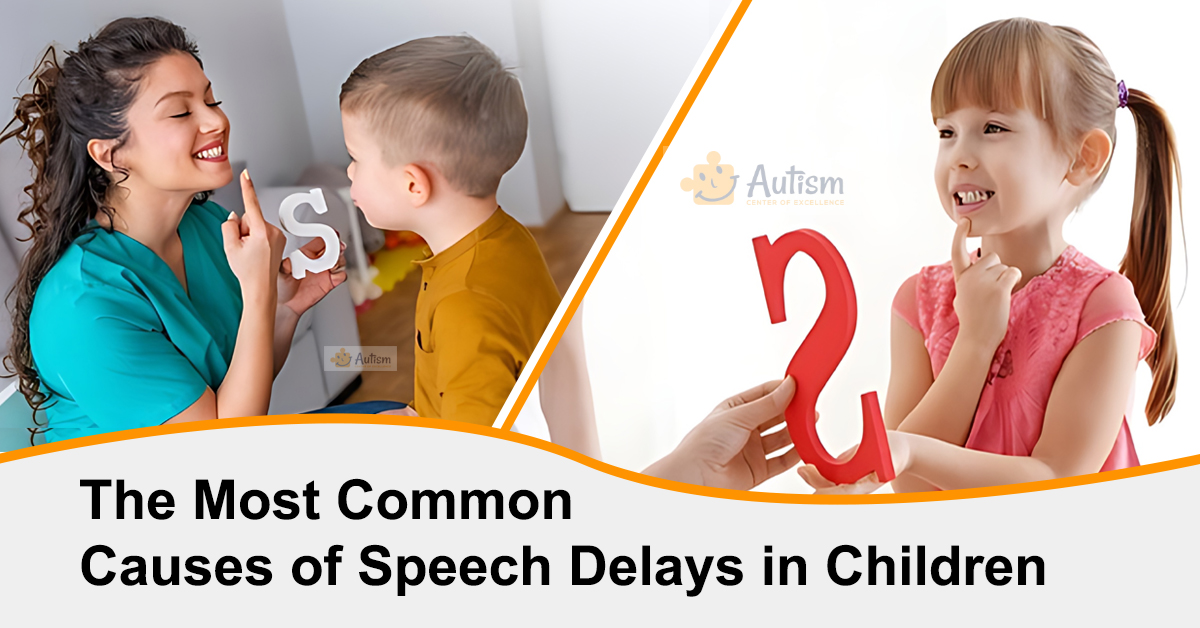
Do not ignore these things in children.
Every child's growth and learning rate is different, so parents often dismiss the issue, thinking their child will start speaking later. However, according to experts, if delayed speech is accompanied by symptoms like decreased eye contact or a lack of response when called, it's best not to ignore it. Let's explore the possible causes of delayed speech in children, what to look out for, and when it's necessary to consult a doctor.
Not every child's development is the same.
According to experts, children develop speech around a certain timeframe, but this process can vary slightly from child to child. However, if there's a delay in age, it can be a problem.
What could be the reason behind speaking late?
Sometimes, delayed speech in children is due to hearing loss, which prevents them from hearing sounds clearly and, consequently, from speaking. In some cases, impairments in the vocal cords, inner ear, nervous system, or the language-related parts of the brain may be the cause. Reduced hearing can also make it difficult for children to repeat long sentences.
This should not be ignored.
Delayed speech isn't the only sign. Experts suggest that habits like frequent hand flapping, spinning around in circles, or repeatedly playing with a single part of a toy, such as a wheel, should also be considered. Furthermore, becoming extremely irritable when exposed to bright lights, loud noises, or touching a particular fabric are also important signs.
Why is reduced eye contact an important sign?
If a child with delayed speech also avoids eye contact, doesn't respond to calls, or shows little interest in engaging with others, it's likely not just shyness. If these symptoms occur together, it's best to seek professional advice.
When should you contact a doctor?
If your child's speech doesn't improve despite your time and efforts to communicate, or if any of the symptoms listed above are accompanied by a delay in speech, consult a doctor immediately. Early identification and timely intervention can make a significant difference in your child's future development.