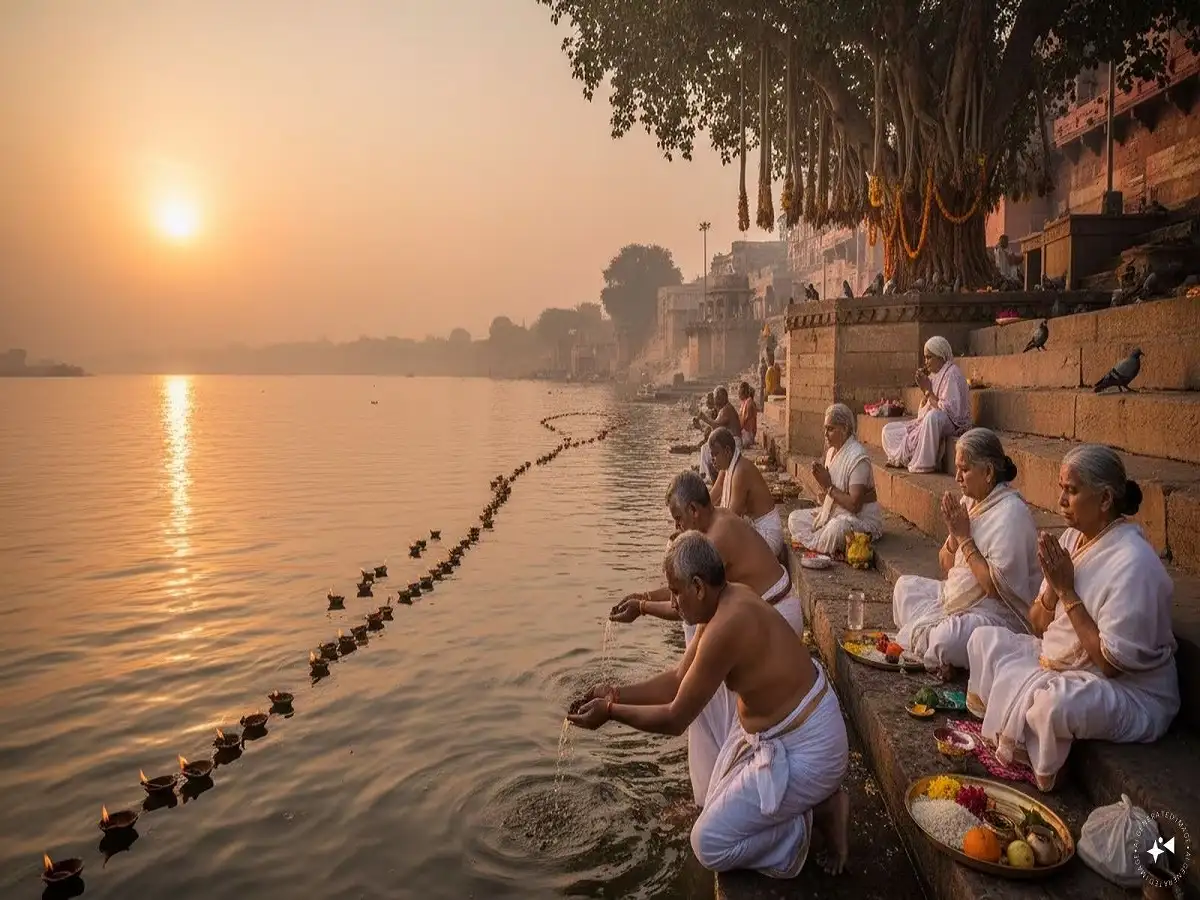
Pitru Paksha holds deep religious significance in Hindu tradition. During this period, families remember their departed ancestors and perform rituals such as Shraddha, Tarpan and Pind Daan as an expression of respect and remembrance. Several pilgrimage centres across India, including Gaya, Kashi, Prayagraj and Haridwar, witness a large number of devotees performing these ancestral rites.
In 2026, Pratipada Tithi is stated to begin at 10:18 PM on September 26, while the first Pratipada Shraddha will be observed on September 27. During Pitru Paksha, families generally perform Shraddha according to the lunar date associated with the death of their ancestors.
When Pind Daan is discussed, Gaya is among the most prominent pilgrimage destinations associated with the ritual. However, certain religious traditions followed in Kashi suggest that in specific circumstances, some families may first perform particular Shraddha rituals in Kashi before proceeding to Gaya.
This practice is especially associated with cases in which a person is believed to have died prematurely or under unusual circumstances.
Why Is Pind Daan Sometimes Performed in Kashi Before Gaya?
According to religious traditions followed by some priests and families, different pilgrimage sites are associated with different forms and purposes of ancestral rituals.
Pandit Sanjay Upadhyay, described as an expert on religious matters in Kashi, explains that when a person's death occurs in circumstances such as an accident, homicide, suicide or another unusual situation, certain traditions call for special Shraddha ceremonies to be performed in Kashi first.
After completing the prescribed rituals there, the family may travel to Gaya to perform Pind Daan.
It is important to understand that this is a religious tradition rather than a universal requirement for every Hindu family. Customs can differ considerably depending on region, community, family tradition and the guidance of a priest.
Religious Belief About the Journey From ‘Pret’ to ‘Pitru’
Traditional Hindu beliefs include the concept that a departed soul may, under certain circumstances, remain in a state described as ‘Pret’ before attaining the status of an ancestor or ‘Pitru’.
This belief is particularly associated in some traditions with premature or unnatural death.
Rituals such as Tarpan, Pind Daan and Tripindi Shraddha may therefore be performed with prayers for peace and spiritual liberation of the departed.
Kashi has several sacred places connected with these traditions. Among them, Pishach Mochan Kund and Manikarnika Ghat have special religious significance.
According to traditional beliefs associated with these places, performing prescribed rites is intended to pray for the departed soul's peace and transition from the Pret state to the Pitru state.
Afterward, Pind Daan in Gaya is traditionally associated with prayers for the satisfaction and liberation of one's ancestors.
Why Is Pishach Mochan Kund Important?
Pishach Mochan Kund in Varanasi is regarded as an important religious site for certain ancestral rites, particularly those connected in tradition with premature or unusual deaths.
Depending on the circumstances and the family's religious customs, rituals performed here may include Tripindi Shraddha, Pind Daan, Narayan Bali and Tarpan.
The purpose of these ceremonies, according to religious belief, is to pray for the peace of the deceased and freedom from spiritual unrest or unfulfilled attachments.
The exact ceremony may vary from one family to another. Devotees generally seek guidance from knowledgeable priests before performing specialised rituals.
Manikarnika Ghat and Its Connection With Moksha
Manikarnika Ghat is one of the best-known sacred ghats of Varanasi and has long been associated with Hindu beliefs surrounding death, cremation and moksha.
Within Kashi's religious traditions, the site has an important place in ceremonies connected with the deceased.
However, there is no single ritual procedure applicable to everyone. The rites considered appropriate may depend on how the person died, the family's customs and the guidance provided by a priest.
Families planning such ceremonies are therefore generally advised to understand the particular ritual requirements before proceeding.
Why Is Gaya So Important for Pind Daan?
Gaya in Bihar occupies a prominent position in Hindu traditions surrounding Shraddha and Pind Daan. During Pitru Paksha, pilgrims from different parts of India and abroad visit the city to perform ceremonies in memory of their ancestors.
Vishnupad Temple, the banks of the Falgu River and Akshay Vat are among the important religious locations associated with these rituals.
Traditional accounts of Gaya Shraddha refer to 45 sacred Vediyas, or ritual sites. This does not necessarily mean that every pilgrim must perform ceremonies at all 45 locations.
The number of places visited and the duration of the ritual can vary according to family tradition, available time and the particular religious procedure being followed.
Some devotees complete their rituals within a single day, while others follow ceremonies lasting three days, five days or even longer.
Kashi and Gaya Have Different Roles in Some Traditions
The belief that Kashi should always be visited before Gaya should not be treated as a universal rule. Instead, it is connected with particular religious customs, especially those concerning premature or unusual deaths.
For families following these traditions, Kashi may be associated with special prayers and rituals for the peace of the departed, while Gaya Pind Daan is performed afterward with prayers for ancestral peace and moksha.
Since practices can differ across communities and family traditions, devotees planning specialised Shraddha ceremonies generally consult a knowledgeable local priest or family priest to understand which rituals are traditionally followed in their particular circumstances.