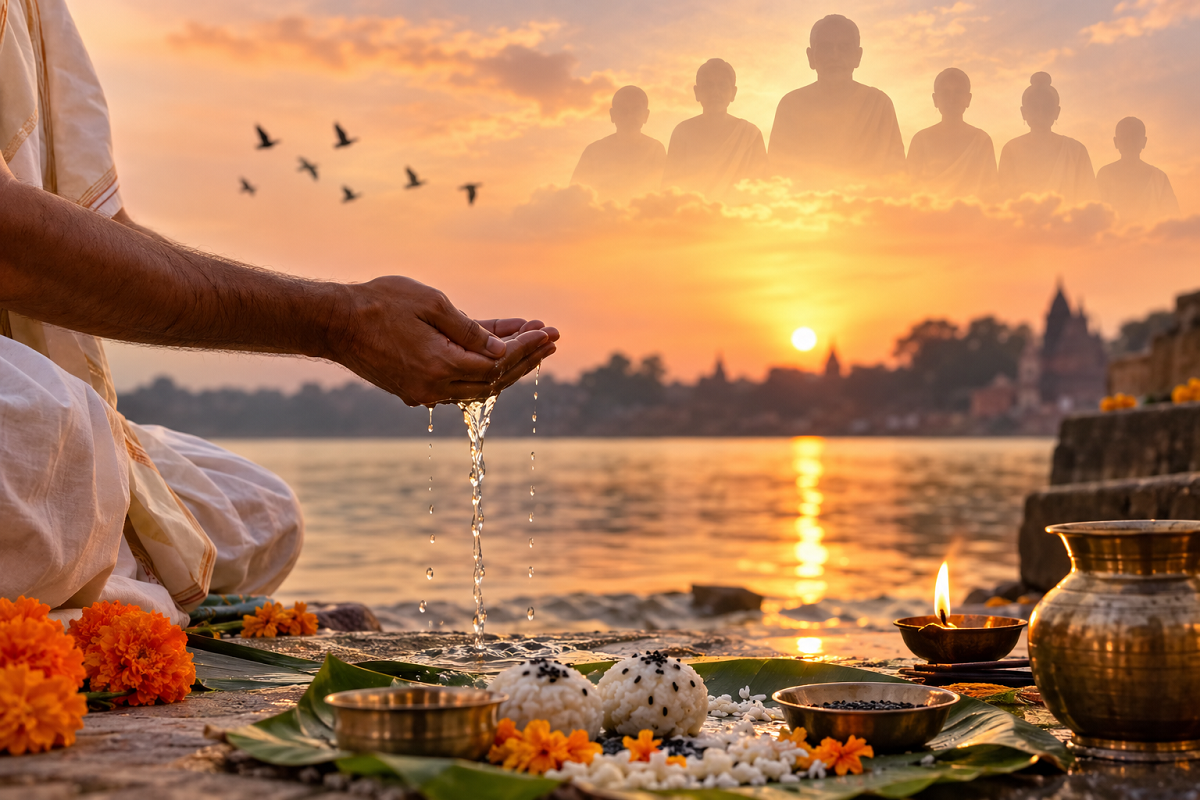
Pitru Paksha holds significant religious importance in Hindu tradition. This period is primarily dedicated to remembering departed ancestors, expressing gratitude toward them and performing rituals in their memory. Families traditionally perform Shraddha, Tarpan and Pind Daan and may also donate food, clothes or other essentials to people in need.
Along with these rituals, several traditional practices are followed during Pitru Paksha. One widely observed custom is to avoid purchasing expensive items for personal enjoyment. New clothes, jewellery, vehicles, property, furniture and certain household goods are among the things that some families prefer not to buy during this period.
The practice is largely connected with the nature of Pitru Paksha itself. Instead of celebrating material possessions or beginning activities associated with personal enjoyment, the fortnight is traditionally viewed as a period of remembrance, simplicity and religious observance.
However, customs can vary significantly between regions, communities and individual families. These restrictions are based on religious traditions and beliefs rather than universal rules followed by every Hindu household.
Why Are New Clothes and Jewellery Often Avoided During Pitru Paksha?
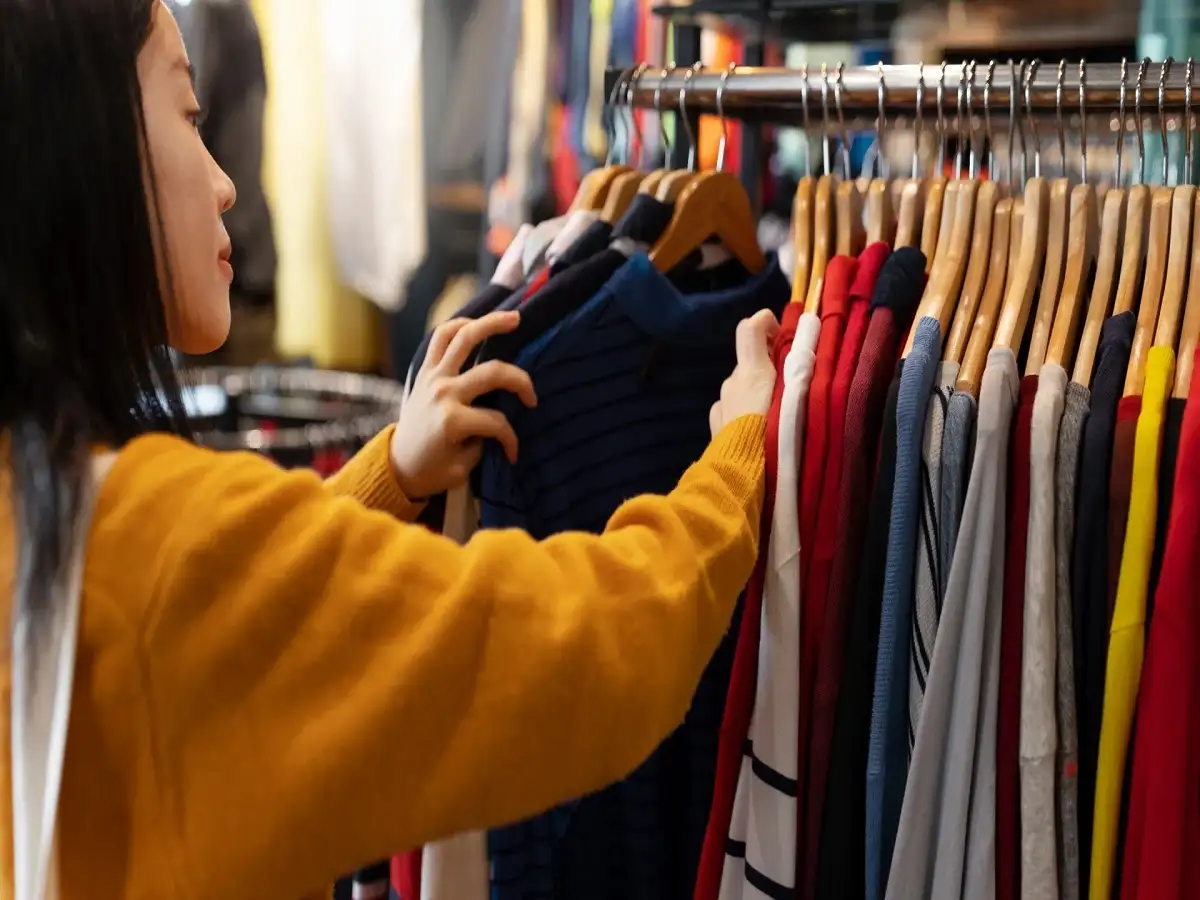
According to some Hindu traditions, people avoid buying new clothes, gold or silver jewellery, fashion accessories and other luxury products for themselves during Pitru Paksha.
The reasoning behind this practice is that the period is intended to focus attention on ancestors rather than material celebrations. Buying luxury goods for personal use may therefore be postponed until the conclusion of the Shraddha period.
There is an important distinction in many traditions. Clothes or other items purchased for charity, Shraddha rituals or helping someone in need are generally treated differently from purchases made for personal enjoyment.
Giving food, clothes or other useful items as daan is itself an important part of several Pitru Paksha customs.
What About Buying a Car, Bike, House or Land?
Major purchases such as a new car, motorcycle, house or plot of land are also postponed by some families during Pitru Paksha.
Many people prefer to complete such purchases either before the period begins or after Sarva Pitru Amavasya. The traditional reasoning is similar: Pitru Paksha is viewed as a period for remembering ancestors and performing religious duties rather than celebrating the acquisition of new possessions.
This does not mean that every Hindu tradition prohibits such transactions. Practices vary, and many families make decisions according to their own customs and circumstances.
Why Do Some People Avoid Buying a New Broom?
The broom has a symbolic connection with Goddess Lakshmi in several popular Hindu traditions. Because of this association, some families avoid purchasing a new broom during Pitru Paksha.
This is primarily a customary belief rather than a practice observed uniformly across India. Different regions and families may follow entirely different rules regarding household purchases during the Shraddha period.
Beliefs Related to Salt and Mustard Oil
Salt is another everyday item associated with certain Pitru Paksha customs.
In some traditions, people avoid purchasing additional salt during this period and may also refrain from borrowing or lending it. Similar beliefs exist regarding mustard oil, with some families choosing not to bring newly purchased mustard oil into the house during Pitru Paksha.
Such practices depend heavily on local customs and family traditions. They should therefore be understood as faith-based observances rather than mandatory restrictions applicable to everyone.
Should You Buy a TV, Refrigerator or New Furniture?
Expensive household products are also included in the list of purchases that some people postpone.
Televisions, refrigerators, sofas, beds, furniture and decorative items may be avoided because they are generally associated with comfort, celebration and upgrading one's lifestyle.
Traditional interpretations of Pitru Paksha instead emphasize restraint, remembrance and charity. For this reason, families following these customs may wait until the period has ended before making non-essential purchases.
Essential purchases made because of an immediate need, however, may be viewed differently depending on the family's tradition.
Pitru Paksha 2026 Dates: When Does the Shraddha Period Begin?
According to the Panchang dates cited in the source material, Purnima Shraddha falls on September 26, 2026, while Pratipada Shraddha is observed on September 27, 2026. The period concludes with Sarva Pitru Amavasya on October 10, 2026.
The appropriate Shraddha day for a departed family member is generally determined according to the Hindu lunar tithi associated with the person's death rather than simply the corresponding Gregorian calendar date.
Because Panchang calculations and observances can differ by location and tradition, families may prefer to confirm the applicable date using their local Panchang.
What If You Don't Know an Ancestor's Death Tithi?
Families do not always know the exact lunar date on which an ancestor passed away. Hindu tradition provides an important observance for such situations.
Sarva Pitru Amavasya is traditionally regarded as a significant day for performing Shraddha for ancestors whose death tithi is unknown or whose individual Shraddha could not be performed on the designated date.
People may perform Tarpan, offer food, make charitable donations and remember their departed family members on this day according to their family customs.
The Meaning Behind Pitru Paksha Traditions
The practice of avoiding new clothes, jewellery, vehicles and luxury household goods during Pitru Paksha is ultimately associated with the character of the period. The emphasis traditionally shifts away from material celebrations and toward remembrance, gratitude, charity and religious duties connected with one's ancestors.
There is no single purchasing rule followed identically by all Hindu families. Regional customs, family traditions and religious interpretations can differ considerably.
Those who wish to observe Pitru Paksha according to traditional practices can therefore consult their family customs, a reliable local Panchang or a knowledgeable religious practitioner for guidance on Shraddha dates and rituals.