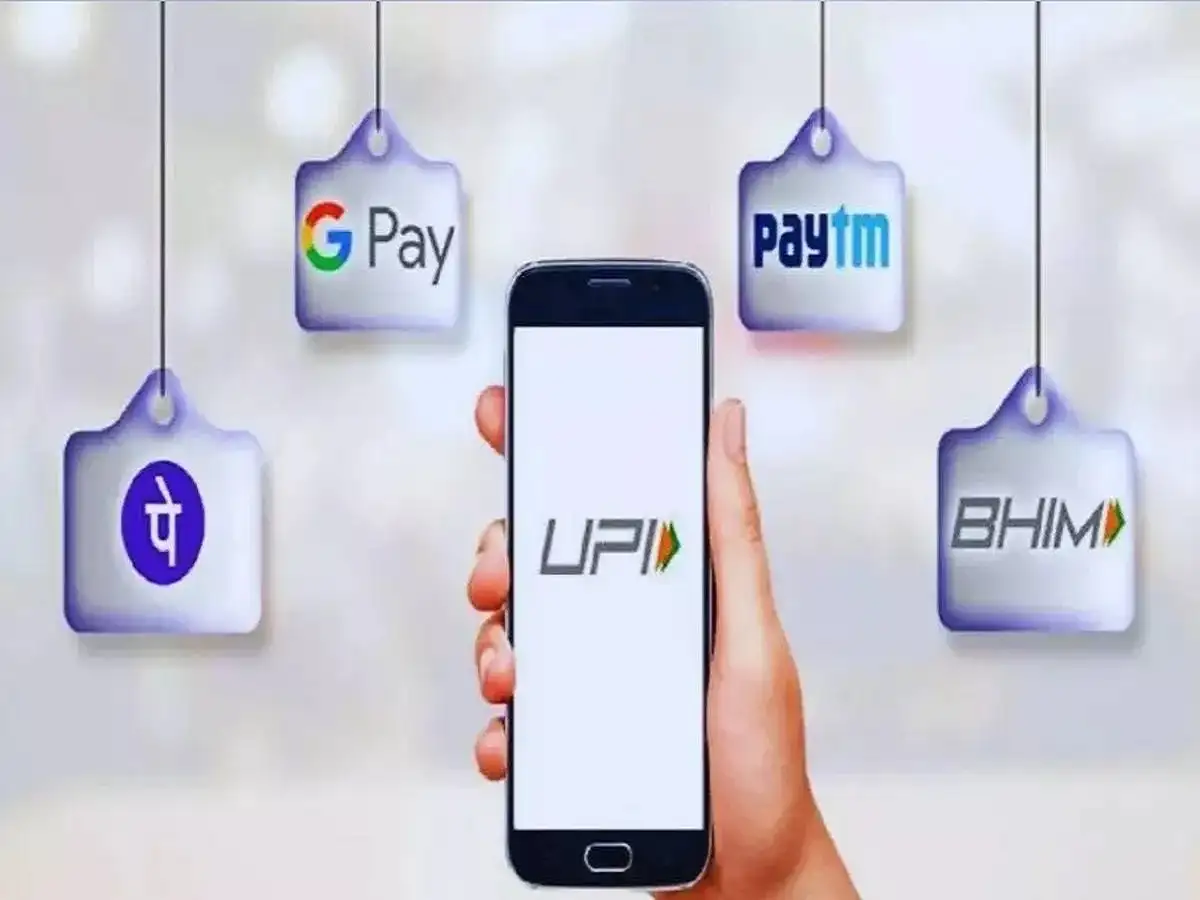
UPI has become an everyday payment method for millions of people, allowing users to transfer money, pay bills and make purchases directly from their bank accounts. But digital payments can also create problems when a transaction gets stuck, money is accidentally sent to the wrong person or users struggle to understand an AutoPay deduction.
According to the supplied information, the BHIM app has introduced a new AI-powered assistant called MyUPI to make it easier for users to deal with such UPI-related issues.
The report states that NBSL, a subsidiary of NPCI, launched MyUPI on September 22, 2026, at Global Fintech Fest 2026. The AI-based feature is designed to let users explain payment-related problems conversationally instead of navigating lengthy or complicated complaint processes.
It also includes features aimed at helping users verify payment recipients and manage UPI-related security concerns.
What Is BHIM MyUPI?
MyUPI is described as an AI-powered assistant within the BHIM ecosystem.
Instead of searching through multiple menus or filling out complicated forms, users can explain their UPI-related problem in conversational language.
According to the source, the service is currently available 24 hours a day in five languages — Hindi, English, Telugu, Bengali and Tamil.
Users can access MyUPI through the Quick Actions section of the BHIM app.
The assistant is designed to help users obtain information about previous transactions, seek assistance for pending payments and raise complaints related to UPI transactions.
What Can Users Do With MyUPI?
According to the report, MyUPI can assist users with several common payment-related tasks.
A user can ask for details about an earlier transaction or seek help if a payment appears to be stuck. The service can also assist with complaints involving an incorrect transaction or another UPI-related issue.
After a complaint has been registered, users can track its progress and use the generated reference number to obtain further information about the case.
The conversational interface could make the complaint process easier for people who are not comfortable navigating multiple digital-payment menus.
'Pay Safe' Can Help Verify the Recipient Before Payment
One of the notable features described in the report is Pay Safe.
Sending money to the wrong person is a common concern with digital payments. A mistake while selecting a contact, entering a UPI ID or scanning a QR code could potentially direct the payment to an unintended recipient.
The Pay Safe feature is intended to add an additional verification step before the user completes the payment.
According to the source, users can enter a UPI ID or scan a QR code and check the recipient's displayed name before transferring money.
This could help reduce accidental transfers by giving users another opportunity to confirm whom they are paying.
However, users should still independently check the recipient details displayed on the payment screen before entering their UPI PIN and authorising a transaction.
Safety Switch Adds Another Security Option
MyUPI also includes a feature called Safety Switch, according to the supplied report.
This feature is intended for situations in which users believe their phone has been stolen, their UPI or bank account security may have been compromised, or they notice suspicious activity.
The source states that the feature can help users take immediate action related to blocking their bank account.
Users facing a suspected financial fraud should also use only official bank, UPI and payment-service support channels and avoid sharing sensitive information such as their UPI PIN, OTP, card PIN or banking password with anyone.
MyUPI Can Help Users Understand AutoPay Mandates
UPI AutoPay is another area where users can sometimes become confused, particularly when a scheduled payment is deducted without requiring them to manually enter a UPI PIN for every recurring transaction.
MyUPI is designed to provide information about a user's UPI AutoPay mandates, according to the source.
This could make it easier to understand which recurring payment instructions are active and why a particular scheduled payment may have been processed.
Users should periodically review their active mandates and take appropriate action through official channels if they find a recurring payment instruction they no longer require or do not recognise.
Will MyUPI Completely Prevent Wrong UPI Transfers?
The feature should not be interpreted as a guarantee that money can never be transferred to the wrong person.
Instead, Pay Safe is designed to help users verify recipient information before making a payment, which may reduce the chances of an accidental transfer.
Users should still carefully check the recipient's displayed name, UPI ID and payment amount before authorising any transaction.
With conversational complaint assistance, transaction tracking, Pay Safe, Safety Switch and AutoPay information, MyUPI is aimed at making UPI payments easier to manage while giving BHIM users additional tools to check transactions and address payment-related concerns.