ASTROLOGY
Pitru Paksha 2026: Is Frequent Illness or Conflict Linked to Pitru Dosh? Know the Beliefs and Remedies
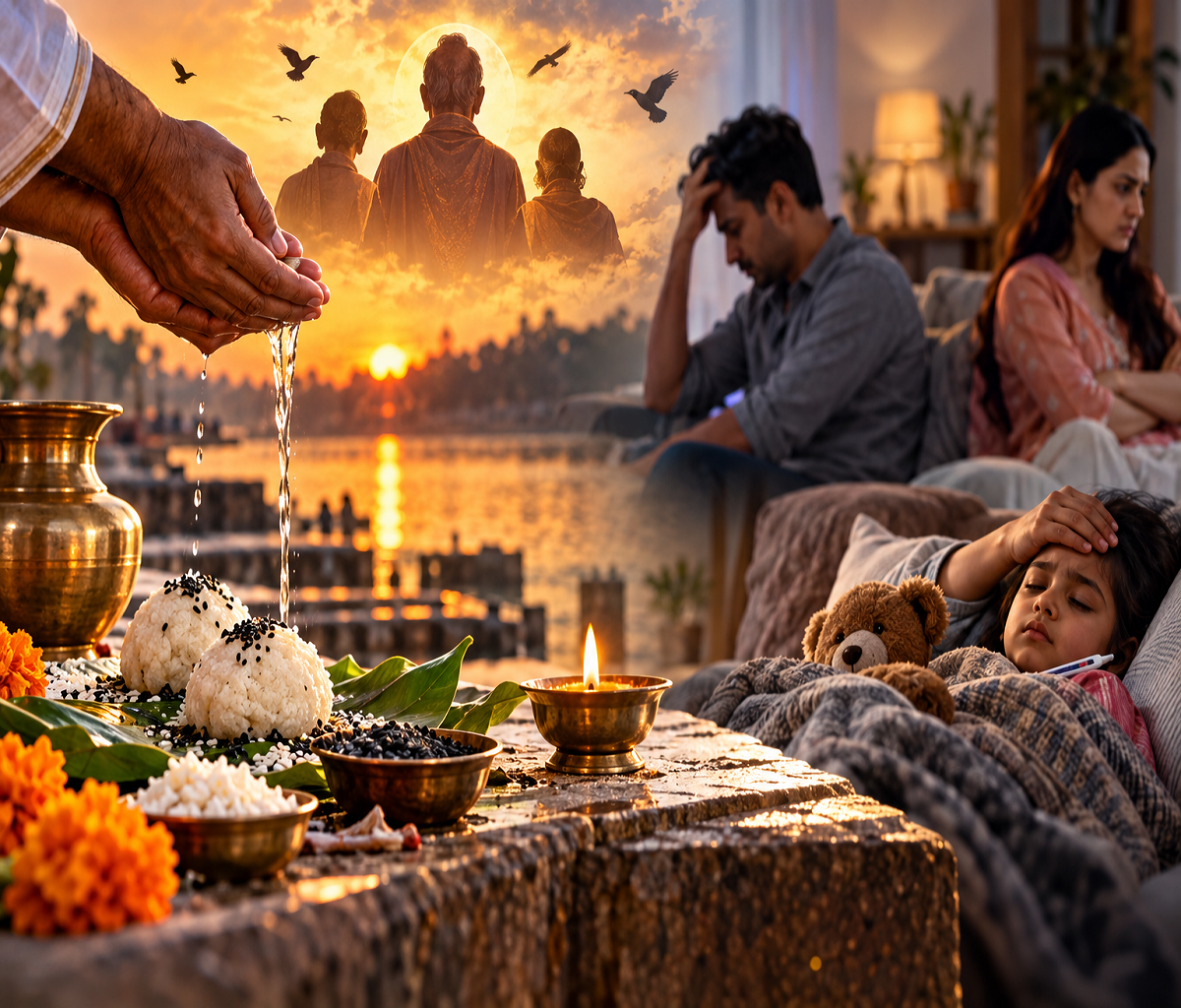
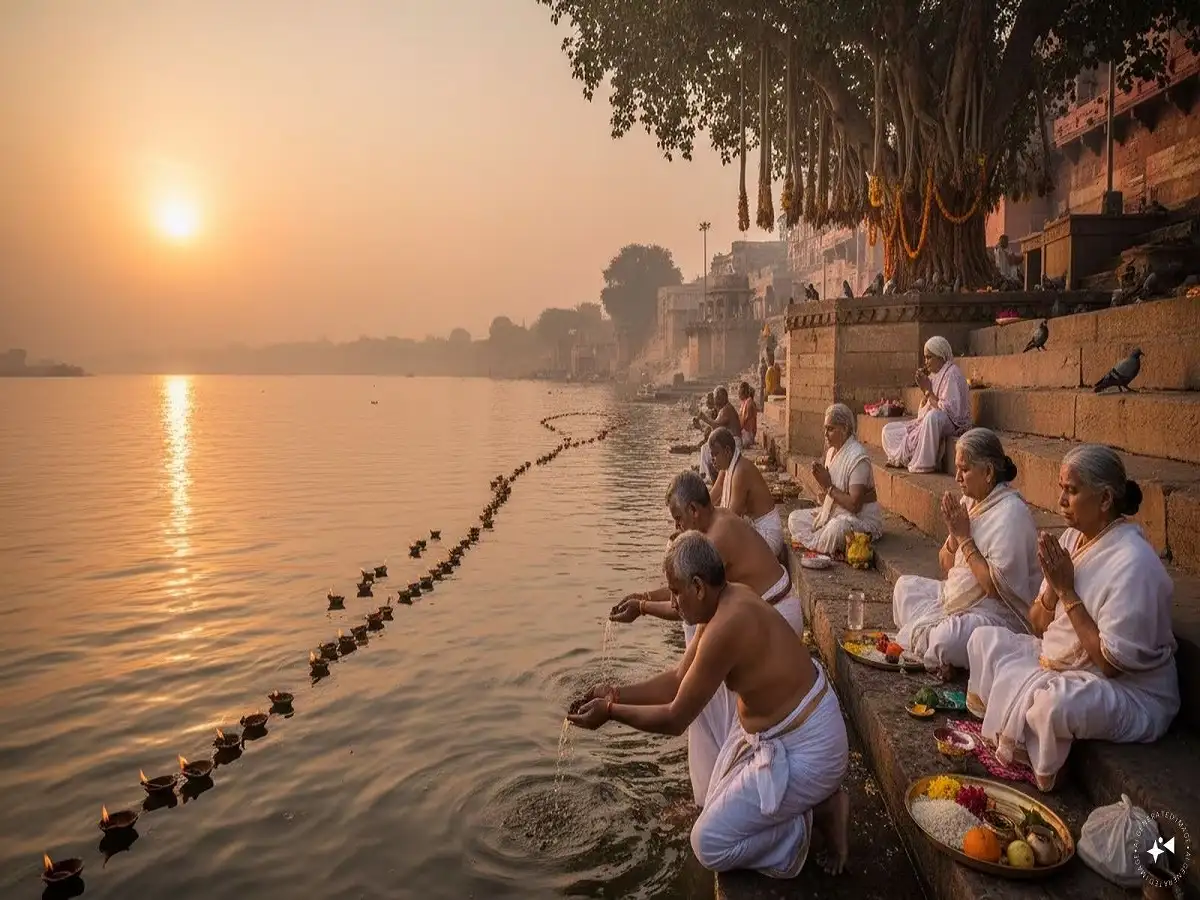
Pitru Paksha is an important period in Hindu tradition dedicated to remembering and honouring deceased ancestors. During this time, many families perform rituals such as Shradh, Tarpan, Pind Daan and charitable acts as a way of expressing respect, gratitude and remembrance toward their ancestors.
Alongside these rituals, several traditional beliefs are also associated with Pitru Paksha. In some religious and astrological traditions, recurring problems such as family disputes, financial difficulties or repeated obstacles are sometimes associated with what is known as Pitru Dosh.
Such interpretations are matters of faith and should not be treated as established explanations for illness, mental health concerns, financial difficulties or changes in behaviour. These problems can have identifiable medical, psychological, social or financial causes that require appropriate attention.
Here is what traditional beliefs say about these signs and what practical steps should also be considered.
Frequent Illness in the Family: What Do Traditional Beliefs Say?
When members of a household repeatedly face illness or other difficulties, some traditional beliefs associate the situation with ancestral dissatisfaction or Pitru Dosh.
However, frequent health problems should never automatically be attributed to religious or supernatural causes. Recurring illness may be related to an underlying medical condition, lifestyle, nutrition, infection, environmental factors or several other causes.
Anyone experiencing persistent or unexplained symptoms should seek advice from a qualified healthcare professional rather than relying solely on religious remedies.
Families that observe Pitru Paksha may still choose to perform Shradh, Tarpan or other rituals as an expression of faith while pursuing appropriate medical care at the same time.
Constant Arguments and Changes in Behaviour
Repeated disagreements between family members and sudden changes in a person's behaviour are also interpreted in different ways across some traditional belief systems.
From a practical perspective, family conflicts can arise because of financial pressure, communication problems, relationship difficulties, work-related stress and many other circumstances.
Similarly, significant or unexplained changes in behaviour may sometimes require professional attention, particularly when they affect a person's daily life, relationships, sleep, work or emotional well-being.
Rather than immediately assuming that such changes are caused by Pitru Dosh or a supernatural influence, families should consider the circumstances and seek suitable professional support where necessary.
Why Does Money Disappear Despite a Good Income?
Another situation sometimes associated with Pitru Dosh in traditional beliefs is an inability to save money despite earning a reasonable income.
A household may have regular earnings but still experience increasing expenses, repeated financial emergencies, debt or difficulty building savings. Some religious traditions interpret recurring financial obstacles through an ancestral or astrological perspective.
There can, however, be straightforward financial reasons for the problem.
Households facing this situation can review their monthly income and expenditure, outstanding loans, credit card payments, subscriptions, discretionary spending and savings habits. Creating a realistic budget and maintaining an emergency fund can help identify where money is going.
During Pitru Paksha, families may separately choose to make donations or perform rituals in their ancestors' memory according to their religious traditions.
Pitru Dosh and Pret Badha Are Religious Concepts
Terms such as Pitru Dosh and Pret Badha appear in certain religious, astrological and folk traditions, but they should not be used as medical diagnoses.
It is particularly important to make this distinction when someone is experiencing physical illness, anxiety, fear, sleep disturbances, unusual behaviour or other persistent symptoms.
Religious observances may provide personal comfort to believers, but symptoms affecting physical or mental health should also receive appropriate professional evaluation.
What Religious Practices Are Followed During Pitru Paksha?
Families follow different customs depending on their community, region and family tradition. Common Pitru Paksha observances include Shradh ceremonies, Tarpan, Pind Daan, feeding people in need and making charitable donations.
Tarpan generally involves offering water while remembering one's ancestors. Pind Daan is another traditional ritual performed for departed family members.
The underlying purpose of these practices is to honour ancestors and express gratitude toward previous generations.
Why Is the Pitru Paksha Period Considered Special?
Pitru Paksha is traditionally observed for around 16 days. Shradh is generally performed according to the lunar date, or tithi, associated with an ancestor's death.
When the relevant death tithi is unknown or a family is unable to perform Shradh on the corresponding day, Sarva Pitru Amavasya traditionally holds special significance for remembering departed ancestors.
Families may perform Tarpan, Pind Daan, prayers and charitable activities during this period according to their customs.
Faith and Practical Action Can Be Kept Separate
Pitru Paksha primarily represents remembrance, gratitude and respect for ancestors. People who follow Hindu religious traditions may perform rituals during this period according to their beliefs and family customs.
At the same time, recurring illness, serious behavioural changes, financial problems or ongoing family disputes should not automatically be attributed to Pitru Dosh, Pret Badha or any supernatural cause.
Medical concerns should be discussed with qualified healthcare professionals, significant mental or behavioural changes may require appropriate professional support, and financial difficulties should be examined through budgeting and financial planning.
This approach allows families to observe their religious traditions while also addressing real-life problems through appropriate practical measures.